Chongyuan Temple is an important Buddhist temple located along the shores of Yangcheng Lake in Suzhou. Its history can be traced back to the Southern Dynasties. After several reconstructions and restorations over the centuries, the temple has become one of the well-known religious and cultural landmarks in the region.
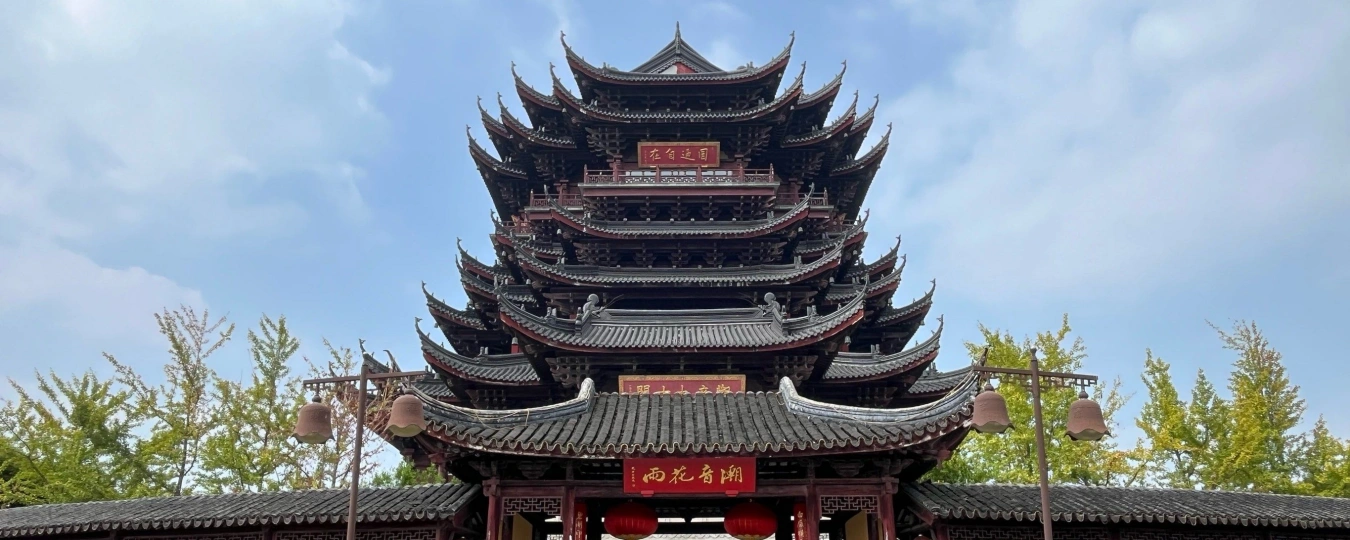
The temple complex stands beside the lake and offers an open and peaceful setting. It is especially known for its grand Mahavira Hall and the impressive Guanyin Pavilion. Inside the pavilion stands a towering indoor statue of Guanyin, which is one of the most iconic features of the temple. Traditional Buddhist architectural styles blend harmoniously with the surrounding lakeside scenery, creating a tranquil and spiritual atmosphere. Because of this unique setting, Chongyuan Temple attracts visitors who wish to experience both cultural heritage and a calm lakeside environment.
Opening Hours & Visitor Information
Opening Hours: Daily 08:00–17:00. Actual opening hours may vary depending on the season, public holidays, or temple events. Visitors are advised to check official announcements before visiting for the most up-to-date information.
Recommended Visit Duration: Plan about 1–1.5 hours. This allows time to explore the main temple halls, visit Guanyin Pavilion, and enjoy the lakeside views.
Best Time to Visit: Spring and autumn are recommended seasons, especially from March to May and September to November. The weather during these months is comfortable and the lakeside scenery is particularly pleasant. For a quieter experience, visiting early in the morning is recommended.
Additional Notes:
Purchasing tickets online in advance is recommended to reduce waiting time at the entrance.
Visitors should remain quiet and follow proper etiquette when visiting this religious site.
Chongyuan Temple receives many positive reviews from visitors. Travelers often admire the temple’s impressive architecture and the peaceful lakeside environment. Guanyin Pavilion and the large statue of Guanyin are among the most popular highlights and are considered must-see features of the temple complex.
Many visitors also choose to pray for blessings or quietly explore the temple grounds while appreciating the spiritual atmosphere. However, some travelers mention that the temple can become busier during public holidays or peak travel periods. Certain halls may feel lively at those times. Arriving earlier in the day or visiting on weekdays can provide a more peaceful experience.
Related Guides & Recommended Tours
Planning your visit to Chongyuan Temple in Suzhou? Our detailed travel guide helps you organize your trip with ease. The guide introduces the temple’s historical background, highlights its most important architectural features, and provides helpful visiting tips so you can better understand Buddhist culture and temple design.
In addition, we recommend combining your visit with other attractions around Yangcheng Lake. This itinerary allows travelers to explore the temple while also enjoying the beautiful lakeside scenery and discovering more of Suzhou’s diverse travel experiences.
Q:Can Chongyuan Temple tickets be purchased on-site on the same day? A:Yes, tickets are generally available at the entrance. However, during public holidays or peak travel seasons, waiting lines may occur. Booking through official or authorized platforms in advance is recommended to save time and ensure smooth entry.
Q:Can visitors pray or offer incense inside the temple? A:Yes. Designated areas are available for prayer and incense offerings. Visitors may participate according to their personal beliefs, but they should follow the temple’s rules and guidelines.
Q:Is Chongyuan Temple suitable for visiting with children? A:Yes, it is suitable for families. The temple offers open spaces and meaningful cultural experiences. Children can learn about Buddhist architecture and traditional culture while exploring the temple grounds.
Sign in
Sign up
Sign in to your account
Create an account
Sign Up
Reset Password
Official WeChat Mini Program
Copy the official WeChat Mini Program link, then paste it into the WeChat search bar to open it:


 English (US)
 繁體中文
繁體中文  日本語
日本語  한국어
한국어  ไทย
ไทย  Русский