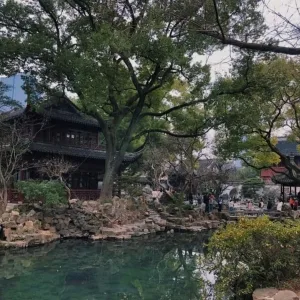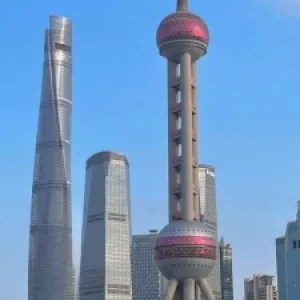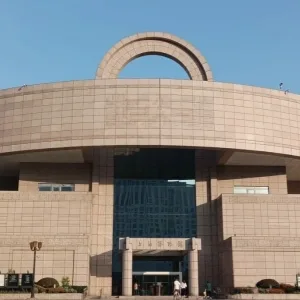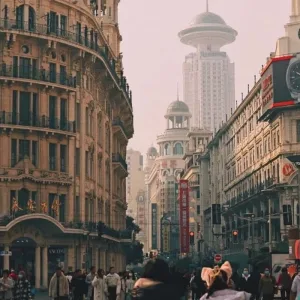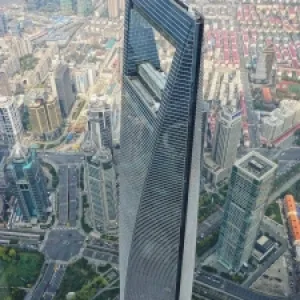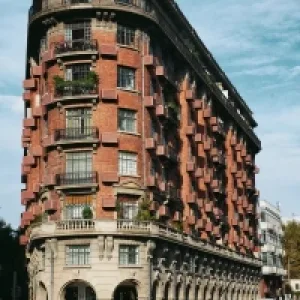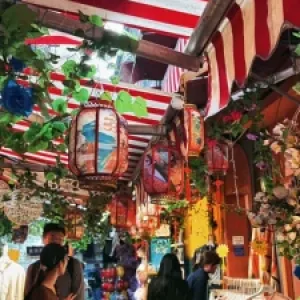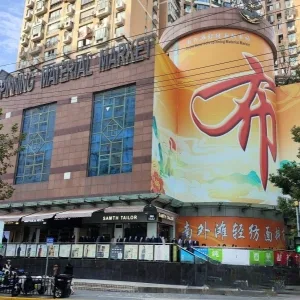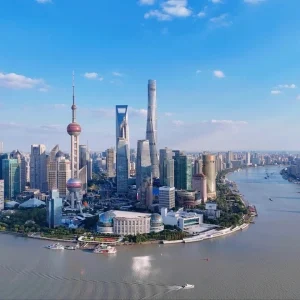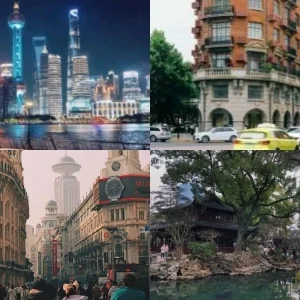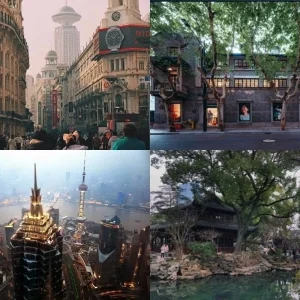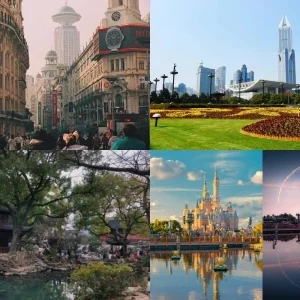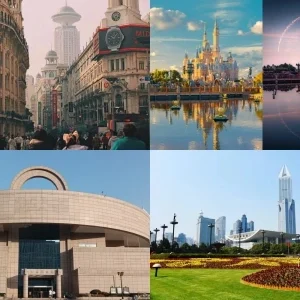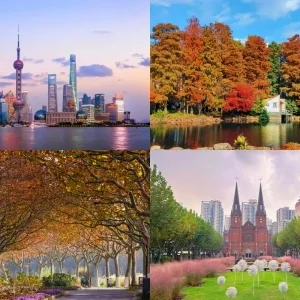
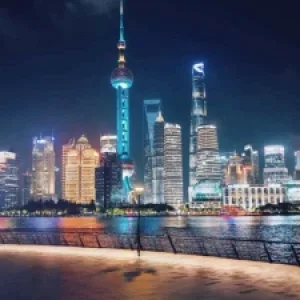
Shanghai is one of China's most distinctive Haipai-style urban travel destinations, known for the Bund skyline, historic Shanghai-style neighborhoods, and an international shopping and dining scene. This guide covers Shanghai's top attractions, recommended itineraries, best areas to stay, transportation options, local food, best time to visit, map-related information, and practical travel tips to help you plan a smoother trip to Shanghai.
Shanghai's travel experience usually centers on city landmarks, Haipai history, theme parks, food, and shopping. For a first visit, it is best to prioritize the city's most iconic attractions and experiences, then add neighborhood walks, museums, food stops, night views, or nearby day trips depending on your schedule.

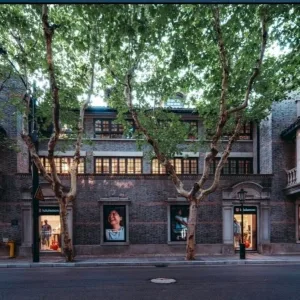
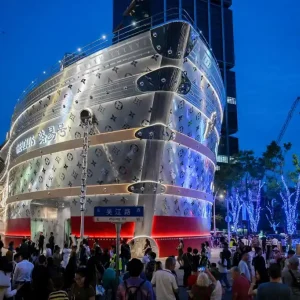
A ship-shaped brand culture space at HKRI Taikoo Hui on West Nanjing Road, popular for photos and check-ins.
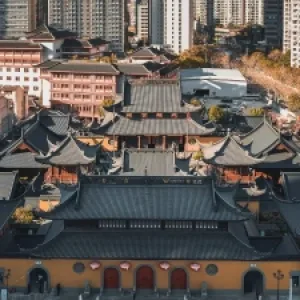
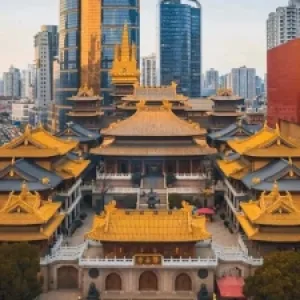
Shanghai itineraries can be planned as quick highlights, classic sightseeing routes, or deeper city experiences depending on how long you stay. For a first visit, it is best to build your core itinerary around the Bund, Lujiazui, Nanjing Road, Yu Garden, and Disneyland, then add a Wukang Road neighborhood walk, museum visits, exhibitions, or a Zhujiajiao Ancient Town day trip if time allows.
The following Shanghai itineraries are suitable for first-time visitors. You can adjust the order of attractions based on your flight, high-speed rail schedule, hotel location, and interests. During public holidays or when popular attractions have reservation limits, it is best to leave more buffer time.
Good for first-time visitors with limited time, covering the city skyline, old town, shopping pedestrian street, and Disneyland experience quickly.
A more relaxed pace, combining Shanghai's classic landmarks with plane tree-lined neighborhoods, Haipai architecture, the old town, and local food.
● Shanghai · Suzhou · Hangzhou · 5 days
Disneyland, Suzhou gardens and West Lake in one trip.
from
per person
● Shanghai · 4 days
Disneyland and Shanghai's iconic landmarks in one trip.
from
per person
● Shanghai · 3 days
Disneyland fun with private comfort and flexible pace.
from
per person
● Shanghai · 2 days
Private 2-day tour of Shanghai's top sights.
from
per person
For first-time visitors to Shanghai, the most recommended areas to stay are usually around West Nanjing Road, People's Square, or the Bund, because transportation is convenient, major attractions are easy to reach, and hotel choices are relatively abundant. If you care more about nightlife, food, shopping, a quieter setting, or access to the airport or train stations, you can also choose areas such as Jiangsu Road, Yu Garden and the Bund commercial area, or Shanghai Disney Resort based on your itinerary.
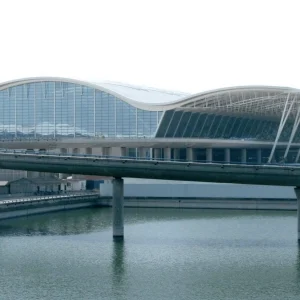
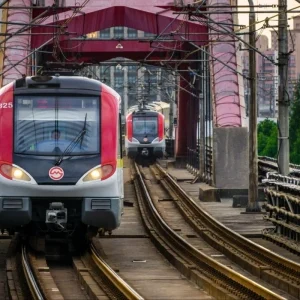
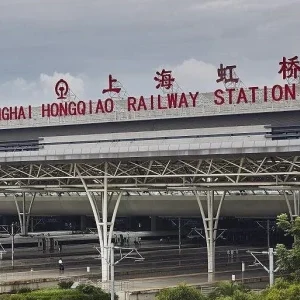
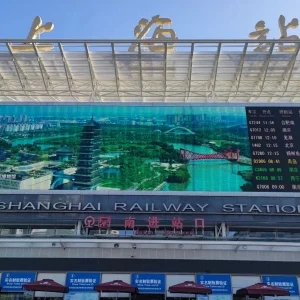
Most travelers reach Shanghai by plane or high-speed rail. Shanghai is mainly served by Shanghai Pudong International Airport and Shanghai Hongqiao International Airport for air travel, and it also has major railway stations such as Shanghai Hongqiao Railway Station, Shanghai Railway Station, Shanghai South Railway Station, and Shanghai West Railway Station. If you are traveling from nearby cities, high-speed rail is usually the most convenient and time-efficient option.
From Shanghai Pudong International Airport to the city center, you can choose the airport link line, metro, maglev train, taxi, ride-hailing service, or airport bus. The best option depends on your arrival time, amount of luggage, hotel location, and budget. Since Shanghai has more than one airport, always confirm your arrival airport before booking a hotel or transfer service. In general, Pudong Airport is more suitable for international flights, long-haul flights, and some domestic routes, while Hongqiao Airport may be more convenient for domestic flights, high-speed rail transfers, and western parts of the city center.
Shanghai also has multiple railway stations, and different stations may serve different high-speed rail or regular train routes. Before buying tickets, carefully confirm your departure and arrival stations, because travel times between train stations within the city can vary significantly.
For sightseeing within Shanghai, the metro is usually the most convenient and reliable way to get around. Taxis and ride-hailing services are useful for nighttime travel, carrying large luggage, or reaching places not directly served by the subway. If you plan to visit suburban attractions or take a day trip, you can choose trains, buses, private cars, transfer services, or local tours depending on your destination.
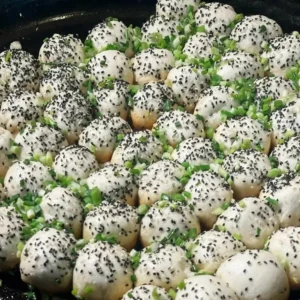
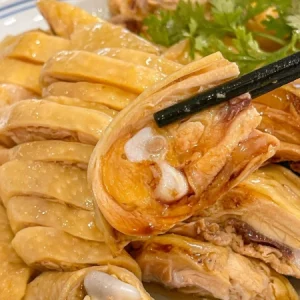
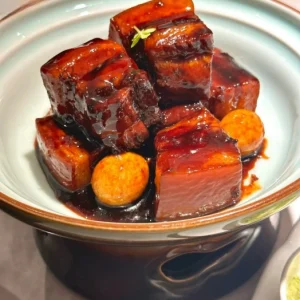
Shanghai is an excellent place to try local Shanghainese cuisine and Haipai-style snacks, from classic regional dishes and street food to local restaurants. First-time visitors should prioritize signature foods such as shengjianbao, white-cut chicken, and red-braised pork. Some dishes can be found near popular attractions and commercial areas, while others are better experienced in local neighborhoods, time-honored restaurants, or traditional markets.

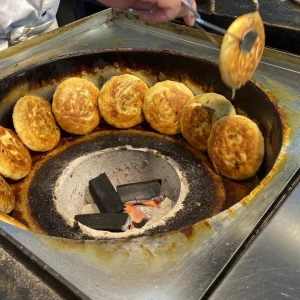
Pan-fried buns with a crispy bottom and juicy filling, a classic Shanghai street snack.

Tender chicken often served with dipping sauce, known for its clean and refreshing flavor.

One of the signature dishes of Shanghainese cuisine, rich in soy-based aroma with a soft, tender texture.

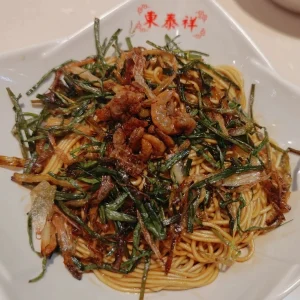
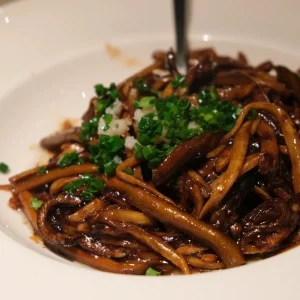
Simple but deeply aromatic, a common Shanghai-style homey noodle dish.

Crispy and fragrant on the outside, suitable as a street snack or breakfast item.

A classic hot dish in Shanghainese cuisine, featuring fragrant eel strips and a rich sauce.
The best time to visit Shanghai is usually spring and autumn, when the weather is mild and humidity is relatively comfortable, making it better for outdoor sightseeing and city walks. Early winter can also be a good option, while midsummer and the plum rain season may reduce travel comfort because of heat, humidity, rainfall, or typhoons.
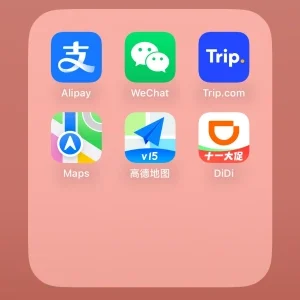
Before visiting Shanghai, it is a good idea to plan several practical details in advance, including reservations for popular attractions, payment methods, mobile internet, transportation apps, and packing for the season. Some popular attractions may require advance reservations or ticket purchases, and some services may work differently from what overseas visitors are used to.
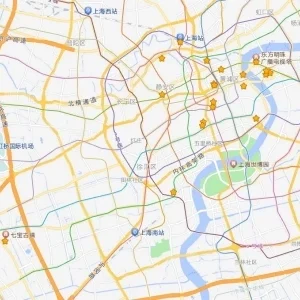
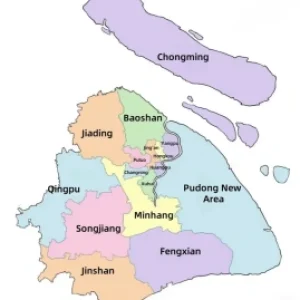
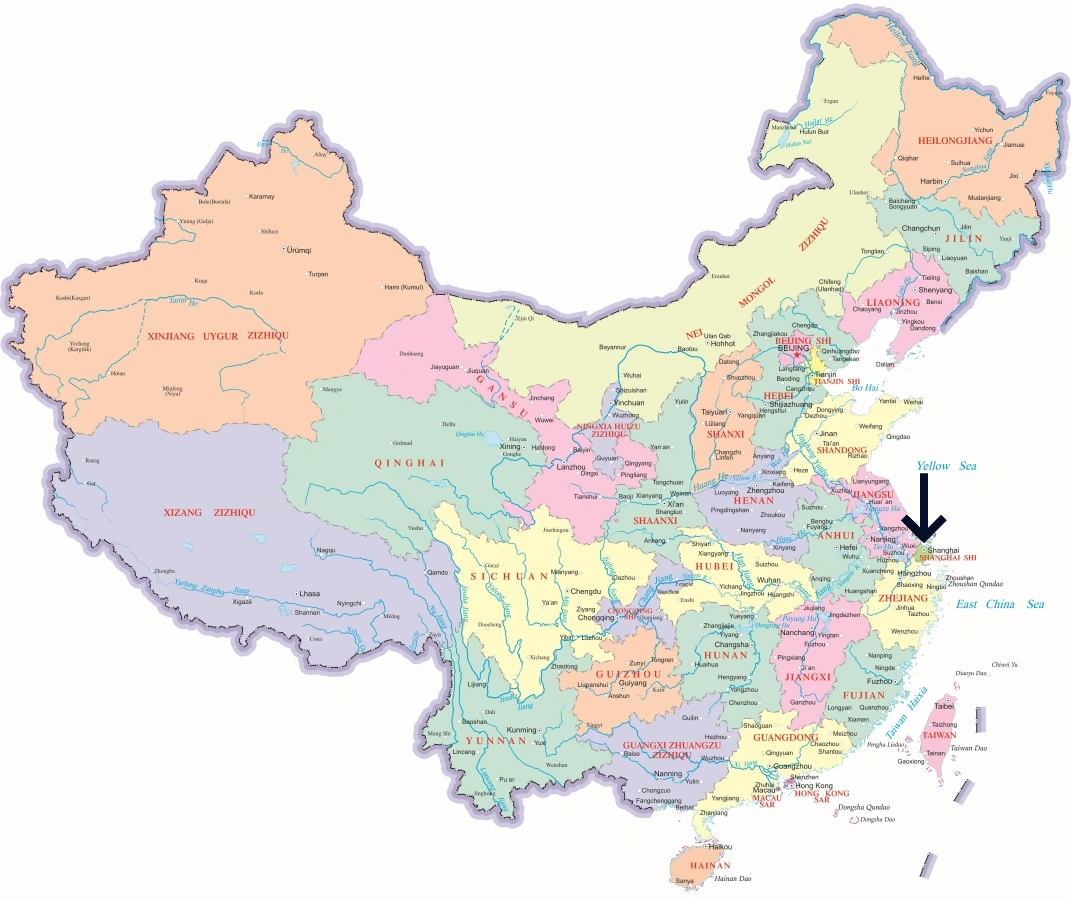
Understanding Shanghai's city layout can make itinerary planning easier. This section gives a quick overview of Shanghai's location in China and the general distribution of its main administrative districts. For travelers, the most important areas are usually the city center, major transportation hubs, and the urban or suburban districts that connect popular attractions.
Shanghai is located in East China and is a directly administered municipality. It is close to Jiangsu, Zhejiang, and the Yangtze River Delta city cluster, and it is connected to other major Chinese cities by air, high-speed rail, and expressways. Thanks to its location and strong transportation links, Shanghai is also a convenient starting point for trips to nearby destinations such as Suzhou, Hangzhou, Wuzhen, Zhujiajiao, and Nanjing.
Shanghai has multiple administrative districts, but travelers do not need to understand every district in detail. For most trips, it is more important to focus on the areas where major attractions, hotels, restaurants, shopping streets, airports, and train stations are located.
Areas travelers should pay closer attention to include:
Shanghai covers a total area of about 6,340.5 square kilometers and has a permanent resident population of about 24.8026 million. Because the city includes central urban areas, suburbs, and some townships, travelers should focus on distances between the city center, major transportation hubs, and popular attractions when planning accommodation and transportation.
Approximate population figures for major districts are as follows:
Shanghai's postal codes and telephone area code are commonly used for mailing documents, filling in hotel information, food delivery, local contacts, and some online forms. Shanghai's telephone area code is generally 021, and 200000 can usually be used as a city-level postal code, but different districts and streets may have different postal codes.
If you need an accurate postal code, such as for sending documents, receiving items at a hotel, or online shopping, it is best to look it up based on the specific street or full address rather than relying only on the city-level postal code.
Yes. Shanghai is known for the Bund skyline, Haipai historic neighborhoods, and international urban experiences, making it suitable for first-time visitors to China, families, and travelers interested in city culture. If this is your first trip to China, or if you want to experience a modern Chinese city, historic architecture, food, shopping, and night views, Shanghai is usually well worth adding to your itinerary.
A stay of 3–5 days is generally recommended. If you have limited time, 2 days and 1 night can cover the core attractions. If you want a more relaxed city experience, time for food, and a nearby day trip, plan for 4–5 days.
Shanghai is mainly known for the Bund, the Lujiazui skyline, Haipai culture, shopping, food, and theme parks. For travelers, the most representative experiences usually include a Huangpu River night cruise, walking along Wukang Road and Anfu Road, and going up high for views over Lujiazui.
The most worthwhile experiences in Shanghai include the Bund, Oriental Pearl Tower, Yu Garden, Shanghai Disneyland, and a Huangpu River cruise. For a first visit, prioritize the most iconic attractions, then add neighborhood walks, food experiences, or nearby day trips depending on your schedule.
For a first trip to Shanghai, it is usually best to stay around West Nanjing Road, People's Square, or the Bund because transportation is convenient and major attractions and restaurants are easy to reach. If you care more about nightlife, shopping, airport access, or a quieter environment, you can also consider areas around Jing'an Temple, Jiangsu Road, Lujiazui, or Shanghai Disney Resort.
The best time to visit Shanghai is usually spring, from March to May, and autumn, from October to November. During these months, the weather is mild and comfortable, making it better for outdoor sightseeing and city walks. Early winter can also be considered, but midsummer and the plum rain season may affect travel comfort because of heat, humidity, and rain.
The metro is usually the easiest way to get around Shanghai. For airport trips, train stations, nighttime travel, or large luggage, taxis or ride-hailing services are useful. For suburban attractions, you may need to combine the metro, buses, high-speed rail, private cars, or local tours.
When traveling in Shanghai, try shengjianbao, white-cut chicken, red-braised pork, and scallion oil noodles. These foods represent local flavors well. Some are best enjoyed at time-honored restaurants, while others are better experienced in local neighborhoods, snack streets, or traditional markets.
Shanghai is usually a good choice for first-time visitors to China, especially if you are interested in modern cities, historic architecture, food, and shopping. Before departure, prepare your payment methods, mobile internet, maps, and translation tools, and check whether popular attractions require reservations.
Some popular Shanghai attractions may require advance reservations or ticket purchases, especially on weekends, public holidays, and during peak travel seasons. Before departure, check opening hours, ticket rules, and entry requirements. For popular attractions, it is best to confirm details several days in advance.
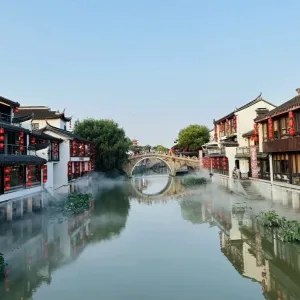
Good day trips or short trips from Shanghai include Zhujiajiao Ancient Town, Suzhou, and Hangzhou. If the destination is farther away, confirm transportation time in advance and consider high-speed rail, direct buses, private cars, or local day-tour products.
The cost of traveling in Shanghai depends on where you stay, the restaurants you choose, how you get around, and attraction ticket prices. In general, staying in the city center or popular commercial areas is more convenient but more expensive. If you are on a budget, choose a well-connected non-core area, use public transportation often, and eat at local restaurants.
Explore detailed travel guides for China's most popular cities, covering attractions, local food, accommodations, and transportation tips.
Official WeChat Mini Program
Copy the official WeChat Mini Program link, then paste it into the WeChat search bar to open it:
1. Copy the Mini Program link
2. Open WeChat and go to the search bar
3. Paste the link and open the Mini Program
English (US)