If you plan to drive in China as a foreign visitor, you should understand the basic rules before getting on the road. This page covers the most important points: who can drive, whether China drives on the right or left, speed limits, expressway rules, common violations, and practical differences many foreign drivers notice in China.
Before you start driving in China, it helps to understand a few basic rules first. This section gives a simple overview of the points that matter most for foreign visitors.
Foreigners can drive in China
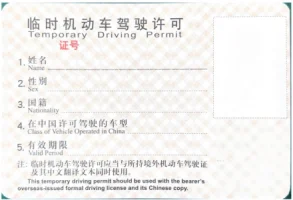
But you need a valid Chinese temporary driving permit or Chinese driver’s license.
China drives on the right
China drives on the right, and most vehicles have the steering wheel on the left.
Temporary permits also follow the 12-point system
If you reach 12 points, you may no longer be allowed to continue driving.
Cameras and lane rules matter a lot
Speed limits, traffic lights, and lane-direction rules are commonly enforced.
Can Foreigners Drive in China?
Yes. Foreigners can drive in China legally if they have a valid Chinese temporary driving permit or Chinese driver’s license.
For most short-term visitors, a foreign driver’s license alone is not enough. If you are planning to rent a car and drive in China, make sure your permit is ready before your trip.
China drives on the right, and most vehicles have the steering wheel on the left. The rule itself is simple, but foreign drivers from left-driving countries usually need time to adjust their habits.
What this means
Cars keep to the right side of the road.
Most vehicles have the steering wheel on the left.
Overtaking is usually done on the left.
Common adjustment points
Turning into the correct side of the road
Checking traffic from the correct direction
Judging space when merging or changing lanes
Speed Limits in China
Always follow the posted speed limit. Do not assume the speed of surrounding cars is safe or legal. In China, speed limits can change quickly near tunnels, ramps, city expressways, schools, construction zones, service areas.
Many roads also use cameras. On some roads, section speed enforcement checks your average speed between two points, not just your speed at one camera.
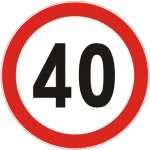
Speed Limit
Meaning: This is the maximum permitted speed.
Where you may see it: Almost everywhere, including city roads, tunnels, bridges, work zones, and expressways.
Why it matters: Speed enforcement is common, and limits may change frequently depending on the road section.
Minimum Speed
Meaning: Vehicles should not travel below the posted minimum speed unless conditions require it.
Where you may see it: Expressways and higher-speed roads.
Why it matters: This is especially relevant for drivers who are nervous on unfamiliar roads and slow down too much.
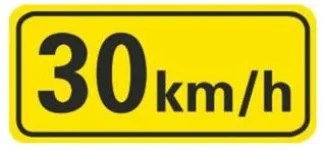
Recommended Speed
Meaning: This sign shows a speed that is recommended for safer driving on the section ahead.
Where you may see it: On curves, exits, ramps, tunnels, and roads with changing conditions.
Why it matters: It gives drivers an early safety cue, especially where the road requires more control and attention.
Expressway Rules in China
Expressways in China are usually modern and easy to use, but mistakes can become serious very quickly. Important practical rules:
never reverse after missing an exit
never stop unless there is a real emergency
do not use the emergency lane casually
plan lane changes early
watch speed-limit changes carefully
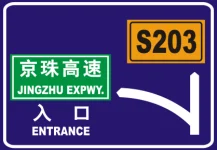
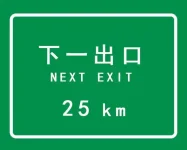
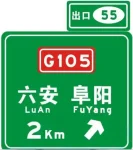
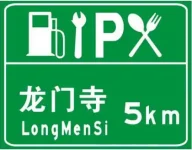
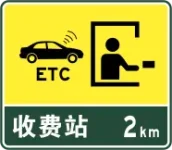
If you miss an exit, continue to the next one. A longer route is far better than a dangerous mistake. These are some common expressway signs foreign drivers will often see.
Expressway Entrance
Tells you where controlled-access driving begins.
Exit Sign
Helps you prepare early for lane changes and route decisions.
Distance Direction Sign
Shows cities, junctions, and travel distance ahead.
Service Area
Useful for fuel, rest stops, food, and restroom planning.
Toll Station
Signals that toll collection and lane selection are coming up.
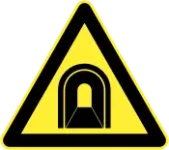
Tunnel / Lane Control
Important for reduced speed, lane changes, and visibility adjustments.
Common Violations, Points, and Fines
This section gives a simple overview of the violations foreign drivers care about most. Penalties can vary by city, and enforcement is often stricter in Beijing and Shanghai than in smaller cities.
Running a Red Light
Typical result
6 points
Fine usually around CNY 200
Why it matters Two serious signal-light mistakes can already put a temporary permit at serious risk.
Serious Expressway Violations
Typical result
Up to 12 points
Additional fines may apply
Why it matters One extreme expressway mistake may end your self-drive trip immediately.
Drink-Driving
Typical result
12 points, Temporary permit may be revoked
Fine usually ranges from CNY 1,000 to CNY 2,000
Why it matters If you plan to drive, do not drink at all.
Speeding
Typical result
Points depend on how much you exceed the limit
Common point levels are 3, 6, or 12
Fines usually range from CNY 100 to CNY 2,000
Why it matters Serious speeding on expressways can lead to very heavy penalties.
Seat Belt Violations
Typical result
1 point
A local fine may apply
Why it matters This is an easy mistake to avoid before the car even starts moving.
Wrong Lane or Lane-Direction Violations
Typical result
Points usually range from 1, 3, or 6 depending on the case
Fines are often around CNY 100 to CNY 400
Why it matters This is a common mistake near intersections, ramps, and exits.
Seat Belts, Child Seats, and Horn Use
This section covers a few simple safety basics foreign drivers should not ignore: seat belts, child seats, and horn use.
Seat Belts
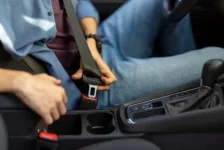
Drivers and passengers should wear seat belts at all times. This is one of the easiest safety rules to follow, and one of the easiest mistakes to avoid before the car even starts moving.
Child Seats
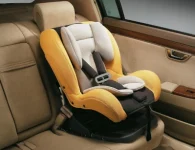
Children under 4 years old must use a child safety seat. If not, the violation may lead to 1 point and a fine of around CNY 200 to CNY 500.
Horn Use
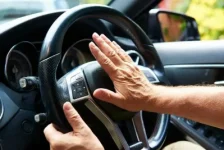
In areas where honking is prohibited, using the horn can lead to a fine of around CNY 100. This is usually a fine-only violation and does not normally involve points.
What Feels Different About Driving in China
Many foreign drivers find that the biggest adjustment in China is not only the rules, but the traffic environment itself. These are a few practical differences first-time drivers often notice.
Right Turn on Red
At some intersections, you may turn right on red if there is no special red right-turn signal and no sign prohibiting it. But you still need to watch carefully and yield when necessary.
E-bikes and Pedestrians
In many cities, e-bikes, scooters, and pedestrians are everywhere. Be especially careful when turning right or crossing busy intersections.
Sudden Lane Changes
In real traffic, some drivers change lanes late or without much warning. Leave more space than you might expect to need.
Cameras Are Common
China uses a lot of traffic cameras, especially on expressways and major city roads. Some roads also use section-speed enforcement.
Local Navigation Apps
Many drivers rely on local map apps because they often show: speed-camera reminders, traffic congestion, lane guidance, service areas, red-light waiting time in some cities
Green Plates Mean EVs
In China, green plates usually indicate new-energy vehicles, while blue plates are more commonly seen on conventional fuel cars.


 English (US)
 繁體中文
繁體中文  日本語
日本語  한국어
한국어  ไทย
ไทย  Русский