China Traffic Signs: How to Read Road Signs in China
Driving in China can feel unfamiliar at first, especially if you are not used to Chinese road signs. This guide explains the most common traffic signs in China, what they mean, and how foreign drivers can understand highway, city, and scenic-road signs more quickly.
Common Chinese traffic signs explained in English
Quick tips for highways, city roads, and scenic areas
Practical sign meanings for foreign drivers in China
This official video, published by Shanghai official, gives a practical introduction to common traffic signs and basic road safety information for foreign drivers in China. Watch it first for a quick visual overview, then use the sections below to learn the signs you are most likely to see on highways, city roads, and scenic routes.
Need help with a temporary driving permit in China? Understanding traffic signs is only one part of preparing to drive in China. If you plan to drive as a foreign visitor, you may need an official temporary driving permit issued by the local authorities. We provide support with the application process. Read our temporary driving permit support guide.
Quick Guide: How to read Chinese traffic signs fast
You do not need to read every Chinese character to understand many road signs in China. In most cases, shape, color, arrows, numbers, and familiar symbols already tell you the main message.
Look at the shape first
Triangles usually warn you about danger ahead. Red circles usually show a prohibition or restriction. Blue circular signs often tell you what drivers must do. Rectangular signs usually give directions, destinations, or road information.
Use color as a clue
Yellow is commonly used for warnings. Red usually signals a restriction, prohibition, or safety-related control. Blue and green are often used for direction, route, or travel information. Brown signs are commonly used for tourist destinations and scenic areas. These sign families are standardized in current Chinese regulations and national standards.
Read numbers before words
If you cannot read the Chinese text quickly, look at the numbers first. Speed limits, distance markers, exit numbers, height limits, width limits, and weight limits often give you the most important information immediately.
Focus on arrows and symbols
Lane arrows, merge symbols, tunnel symbols, parking symbols, and pedestrian symbols are often easier to understand than text. In many situations, the symbol tells you the rule faster than the wording does.
Main types of traffic signs in China
China uses standardized categories of road signs nationwide. Under the current regulatory framework, traffic signs are generally grouped into warning signs, prohibition signs, mandatory signs, guide signs, tourist signs, road work safety signs, and supplementary signs.
Warning Signs
These signs warn drivers about possible danger ahead, such as sharp bends, pedestrian crossings, steep slopes, slippery roads, falling rocks, or road narrowing.
Prohibition Signs
These signs tell drivers what they must not do. Common examples include no entry, no left turn, no U-turn, no parking, no stopping, and speed limit restrictions.
Mandatory Signs
These signs tell drivers what they must do. Common examples include straight ahead only, turn left, turn right, keep right, and lane-use instructions.
Guide Signs
These signs help you navigate. They show routes, destinations, distances, exits, service areas, toll stations, airports, railway stations, and urban directions.
Tourist Signs
These signs point drivers toward scenic spots, heritage sites, parks, mountains, and other travel destinations. They are especially useful on self-drive trips outside major cities.
Work Zone Signs
These signs are used near road construction or temporary traffic changes. They may warn about lane closures, detours, narrowed roads, workers ahead, or reduced speed zones.
Supplementary Signs
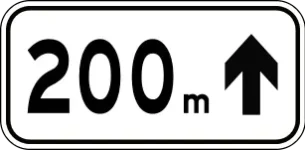
These smaller signs are placed below a main sign to explain when, where, or to whom the main sign applies. They may show time limits, vehicle types, weather conditions, or distance ahead.
24 common traffic signs foreign drivers should know
These are some of the first signs foreign drivers should learn before driving in China. They often appear in city streets, parking areas, entrances, and controlled-access roads.
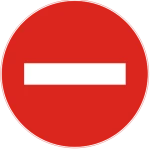
No Entry
Meaning: You may not enter from this direction.
Where you may see it: One-way streets, ramp entrances, controlled lanes, restricted access points.
Why it matters: This is one of the most important signs to recognize quickly in unfamiliar cities.
No Motor Vehicles
Meaning: Motor vehicles are not allowed on this road or in this area.
Where you may see it: Pedestrian streets, park roads, local access roads, or restricted lanes.
Why it matters: Do not confuse this with “No Entry.” One means your direction is blocked; the other means motor vehicles are prohibited entirely.
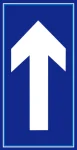
One Way
Meaning: Traffic moves in one direction only.
Where you may see it: City centers, side streets, older urban districts, busy commercial areas.
Why it matters: This is especially important for drivers used to following navigation too closely without checking local lane direction.
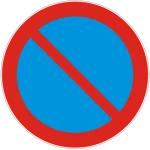
No Parking
Meaning: Parking is not allowed, but temporary stopping rules may depend on local conditions.
Where you may see it: Main urban roads, narrow streets, near intersections, and near transport hubs.
Why it matters: In China, no-parking zones may still be actively enforced by camera systems or local traffic police.
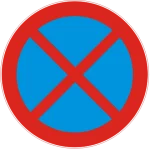
No Stopping
Meaning: You may not stop your vehicle here, even briefly except in emergencies.
Where you may see it: Main traffic corridors, bridge approaches, tunnel zones, busier intersections, and roads with high traffic flow.
Why it matters: This is stricter than “No Parking” and is one of the easiest signs for foreign drivers to misunderstand.
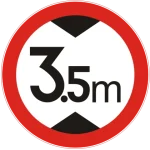
Height Limit / Width Limit / Weight Limit
Meaning: Vehicles above the posted height, width, or weight are not allowed.
Where you may see it: Tunnels, bridges, underpasses, older roads, and access roads to urban centers.
Why it matters: Rental drivers should pay extra attention if using a larger vehicle, van, or camper-style vehicle.
These signs matter most when quick reactions are needed. They are especially important on scenic roads, mountain roads, rural routes, and unfamiliar city intersections.
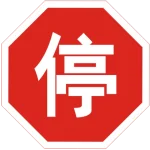
Stop
Meaning: You must come to a full stop before proceeding.
Where you may see it: Intersections, gated areas, crossings, or controlled access points.
Why it matters: Do not treat it as a slow roll.
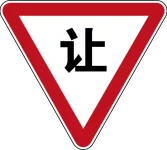
Yield / Give Way
Meaning: You must give priority to other traffic or pedestrians before continuing.
Where you may see it: Junctions, merges, roundabout entries, and side-road connections.
Why it matters: This sign often appears where traffic flow changes quickly.
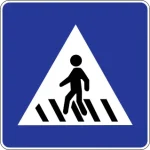
Pedestrian Crossing
Meaning: Watch for pedestrians crossing the road.
Where you may see it: Urban roads, school zones, scenic areas, commercial streets, and town centers.
Why it matters: Pedestrian movement can be frequent and unpredictable in some areas.
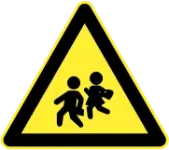
Children / School Area
Meaning: Slow down and watch carefully for children nearby.
Where you may see it: Near schools, residential streets, and local access roads.
Why it matters: Expect crossing activity, slower reaction times, and stricter safety expectations.
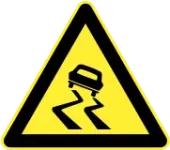
Slippery Road
Meaning: The road surface may be slippery, especially in rain, snow, or after cleaning.
Where you may see it: Mountain roads, bridges, shaded curves, and tunnel exits.
Why it matters: Drivers unfamiliar with the road may brake too late.
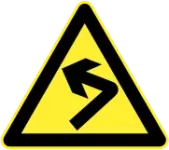
Sharp Bend / Series of Bends
Meaning: A dangerous curve or multiple curves are ahead.
Where you may see it: Scenic roads, hilly routes, rural roads, and mountain areas.
Why it matters: This is one of the most relevant warning signs for self-drive travelers in China.
Many traffic cameras and lane-control systems in China rely on clear posted signs. These signs are essential on both urban roads and expressways.
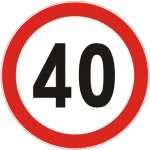
Speed Limit
Meaning: This is the maximum permitted speed.
Where you may see it: Almost everywhere, including city roads, tunnels, bridges, work zones, and expressways.
Why it matters: Speed enforcement is common, and limits may change frequently depending on the road section.
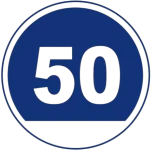
Minimum Speed
Meaning: Vehicles should not travel below the posted minimum speed unless conditions require it.
Where you may see it: Expressways and higher-speed roads.
Why it matters: This is especially relevant for drivers who are nervous on unfamiliar roads and slow down too much.
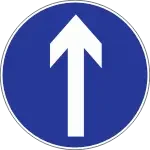
Straight Ahead Only
Meaning: You must continue straight in this lane or at this point.
Where you may see it: Intersections, lane-control sections, and turn-restricted city roads.
Why it matters: Do not rely only on navigation; the posted lane rule controls your movement.
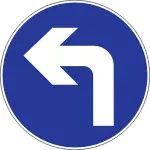
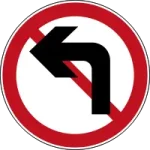
Turn Left Only / Turn Right Only
Meaning: You must turn in the direction shown.
Where you may see it: Signalized intersections, dedicated turning lanes, and busy city roads.
Why it matters: Last-minute lane changes can be unsafe and may lead to violations.
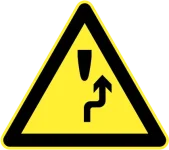
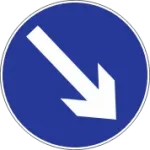
Keep Right / Keep Left of Obstacle
Meaning: Pass on the indicated side or stay in the required direction.
Where you may see it: Road islands, medians, channelized intersections, and lane splits.
Why it matters: This helps you read the road layout quickly, even if you do not understand the text.
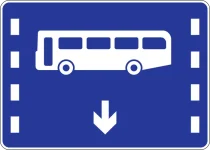
Lane Use Control Sign
Meaning: This sign shows which vehicle types or movements are allowed in a specific lane.
Where you may see it: Expressways, major urban corridors, toll approaches, and busier intersections.
Why it matters: It is important for avoiding illegal lane use, especially in unfamiliar cities.
These are the signs most relevant for long-distance self-drive trips, airport transfers, intercity routes, and travel between major destinations.
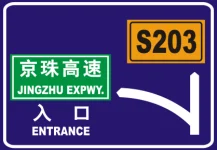
Expressway Entrance
Meaning: This sign marks the entrance to an expressway.
Where you may see it: On-ramps and controlled-access road entries.
Why it matters: Once you enter, lane discipline, speed control, and route planning become more important.
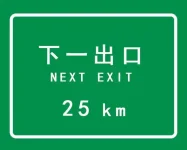
Expressway Exit
Meaning: This sign shows where to leave the expressway.
Where you may see it: Exit ramps and advance direction boards.
Why it matters: Missing an exit may add significant travel time.
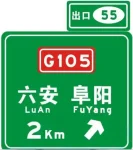
Distance Direction Sign
Meaning: This sign shows destinations and the distance to them.
Where you may see it: Highways, ring roads, intercity routes, and arterial roads.
Why it matters: This is one of the most useful signs for travelers driving between cities.
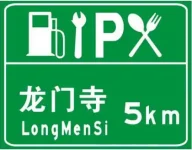
Service Area
Meaning: A service area with fuel, restrooms, food, and rest facilities is ahead.
Where you may see it: Expressways and major long-distance routes.
Why it matters: Very useful for trip planning on longer drives.
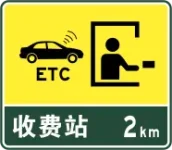
Toll Station
Meaning: A toll collection point is ahead.
Where you may see it: Expressways and some controlled-access routes.
Why it matters: Drivers should slow down, choose the correct lane, and follow any lane-specific instructions.
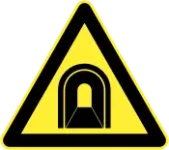
Tunnel
Meaning: A tunnel section is ahead or beginning.
Where you may see it: Mountain roads, expressways, and western or inland routes.
Why it matters: Tunnel sections may have reduced speed limits, lane restrictions, and lighting changes.
Foreign drivers often misunderstand these signs
No Parking
This sign means you may not leave your vehicle parked in this area. In some situations, temporary stopping may still be treated differently depending on local enforcement and traffic conditions. For foreign drivers, the safest approach is to avoid stopping unless it is clearly necessary and legal.
No Stopping
This sign is stricter. It means you may not stop your vehicle here at all, except for emergencies. You will often see it in places where stopping would block traffic or create a safety risk.
No Entry
This sign means you may not enter from this direction. It is usually about direction control, not about the road type itself.
No Motor Vehicles
This sign means motor vehicles are not allowed on the road or in that area. The restriction applies to the type of traffic, not only to your direction of travel.
Speed Limit
This is the maximum legal speed for that section of road. Drivers should not exceed it.
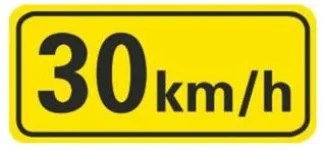
Recommended Speed
This sign suggests a safer speed under local road conditions, such as curves, ramps, narrow sections, or weather-related caution areas.
Common signs by driving scenario
On Chinese expressways, the most important signs are usually route signs, exit signs, lane-control signs, toll signs, speed limit signs, and service area signs.
Expressway Entrance
Tells you where controlled-access driving begins.
Exit Sign
Helps you prepare early for lane changes and route decisions.
Distance Direction Sign
Shows cities, junctions, and travel distance ahead.
Service Area
Useful for fuel, rest stops, food, and restroom planning.
Toll Station
Signals that toll collection and lane selection are coming up.
Tunnel / Lane Control
Important for reduced speed, lane changes, and visibility adjustments.
In Chinese cities, foreign drivers should focus more on restriction signs, lane-use signs, turn controls, parking signs, and pedestrian-related warnings.
No Entry
Common on one-way streets and controlled urban roads.
One Way
Important in dense urban districts and older city streets.
No Parking
Frequently seen on busy city roads and near transport hubs.
No Stopping
More restrictive than no parking and common in high-flow traffic areas.
Turn Restriction Signs
Important at large intersections and dedicated turning lanes.
Pedestrian Crossing
Essential in shopping streets, mixed-use roads, and dense neighborhoods.
On scenic and rural roads, warning signs often matter more than text-heavy guide signs. Curves, slopes, rockfall, narrow roads, and mixed traffic are especially important.
Sharp Bend / Series of Bends
Very common on mountain and scenic routes.
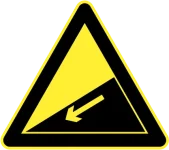
Exit SignSteep Ascent / Steep Descent
Important for speed control and braking distance.
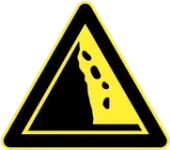
Falling Rocks
Relevant on mountain roads and cliffside routes.
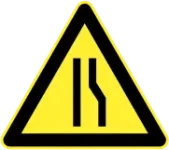
Narrow Road / Narrow Bridge
Useful on local roads, scenic zones, and older rural routes.
Slippery Road
Important during rain, snow, fog, or low-temperature conditions.
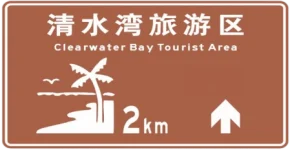
Tourist Direction Sign
Helps drivers find scenic spots, parks, and visitor attractions.
FAQ
Are traffic signs in China difficult for foreign drivers to understand?
Not always. Many traffic signs in China use familiar shapes, colors, arrows, and symbols that international drivers can recognize quickly. The hardest part is usually reading additional Chinese text on guide signs or supplementary panels.
Are road signs in China in English?
Some major highways, airports, and large-city road systems include English or pinyin on directional signs, but not every road sign is bilingual. Drivers should be prepared to rely on symbols, numbers, arrows, and navigation support.
What are the most important signs to learn before driving in China?
The most important signs to learn first are No Entry, No Motor Vehicles, No Parking, No Stopping, Speed Limit, Stop, Yield, lane direction signs, expressway exit signs, and common warning signs such as sharp bends and slippery roads.
What is the difference between No Parking and No Stopping in China?
No Parking generally means you may not leave the vehicle parked there, while No Stopping is stricter and means you should not stop there at all except in emergencies. If you are unsure, it is safer not to stop.
Do foreign drivers need to understand Chinese characters to drive in China?
Not necessarily. Many important road signs can be understood through their shape, color, arrows, symbols, and numbers. However, knowing a few common road terms or preparing in advance can make driving much easier.
Which signs matter most on a China road trip?
For road trips, the most useful signs are expressway entrance and exit signs, distance signs, service area signs, toll station signs, tunnel signs, speed limit signs, and warning signs used on scenic or mountain roads.


 English (US)
 繁體中文
繁體中文  日本語
日本語  한국어
한국어  ไทย
ไทย  Русский