
 English (US)
 繁體中文
繁體中文  日本語
日本語  한국어
한국어  ไทย
ไทย  Русский
Hello, I’m Michael Zhang, an experienced traveler who has spent many years exploring destinations across China and abroad. Over time, I’ve learned that places worth revisiting are rarely defined by scenery alone. More often, they stand out for their historical depth, cultural ideas, and the long relationship between people and nature. Wuyishan National Park fits this description perfectly. It is not only a world-class natural heritage site, but also a key birthplace of Chinese philosophy, tea culture, and landscape aesthetics. Based on my repeated visits, this article looks at Wuyishan through its landscapes, cultural context, travel routes, and on-the-ground experiences, helping you truly understand the mountain within limited time—rather than simply passing through it.
Summary
Introduction to Wuyishan
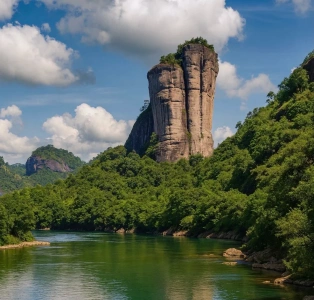
Wuyishan, officially known as the Wuyishan Scenic Area, is a national AAAAA-level tourist attraction in China and a core part of the UNESCO World Cultural and Natural Heritage Site of Wuyishan. The protected area covers approximately 79 square kilometers.
Geologically, Wuyishan represents classic Danxia landform terrain and is widely praised as a place of “crystal-clear waters and red sandstone peaks,” often described as the most striking landscape in Southeast China. The area combines winding rivers, dramatic cliffs, quiet valleys, and steep ravines. At the same time, it preserves a long cultural history and numerous historical remains, including the famous Nine-Bend River, Thirty-Six Peaks, Ninety-Nine Cliffs, and cliffside hanging coffins dating back nearly 3,800 years.
- Address: Wuyi Street and Xingcun Town, Wuyishan City, Nanping, Fujian Province (Apple Maps / Amap)
- Opening Hours: Peak season (March–October) 6:30–18:00; Off-season (November–February) 7:00–17:00
- Recommended Visit Duration: 2 to 3 days
- Best Time to Visit: All year round
- Admission: Entry to Wuyishan National Park is free. However, sightseeing shuttle buses inside the park require a separate fee. Distances between attractions are very long, and walking only would mean roughly 25 km per day, so the shuttle bus is strongly recommended.
- Ticket Purchase: Trip.com Discounts
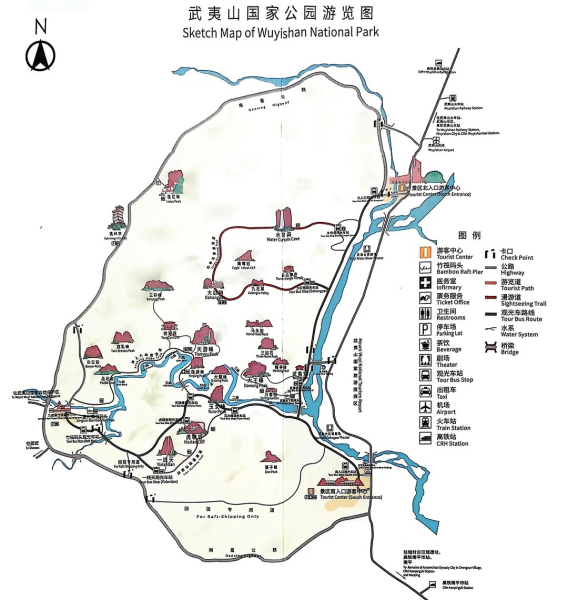
Wuyishan Map
Why You Should Visit Wuyishan
World Dual Heritage Site
Wuyishan is one of China’s earliest UNESCO World Heritage Sites recognized for both natural and cultural value. It features the iconic “red cliffs and green waters” landscape alongside deep historical roots, a rare combination on a global scale. More importantly, the park preserves the most complete and representative mid-subtropical primary forest ecosystem found at the same latitude on Earth. Because of this, Wuyishan has earned titles such as the “Window of World Biodiversity,” the “Kingdom of Snakes,” the “Paradise of Birds,” and the “World of Insects.”
A Center of Culture and Thought
- Neo-Confucianism of Zhu Xi: As the place where the Song Dynasty philosopher Zhu Xi lived and taught for more than 50 years, Wuyishan is regarded as the birthplace of Neo-Confucianism, with an exceptionally deep intellectual legacy.
- Minyue Culture: The Chengcun Han City ruins represent the most well-preserved Han Dynasty city site in southern China and are often called the “Pompeii of the East.”
- Three Teachings on One Mountain: Historically, Confucianism, Buddhism, and Taoism coexisted here, leaving behind a rich collection of cultural sites.
- Cliffside Inscriptions: The mountains are covered with stone inscriptions carved by scholars across different dynasties, forming a valuable open-air art archive.
A Mountain Shaped by Tea
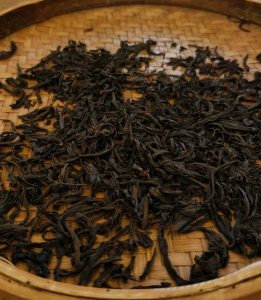
Wuyishan is the birthplace of the world’s first black tea, Lapsang Souchong, and the homeland of famous oolong teas such as Da Hong Pao. Tea culture here runs deep and remains part of daily life. In the mountains or beside streams, it is easy to encounter tea sessions that blend seamlessly with the surrounding landscape. Beyond tea, local specialties like smoked goose from Langgu and dried carp from Wutun further reflect the region’s distinctive food culture.
Top Things to Do in Wuyishan
Main Attractions
Tianyou Peak
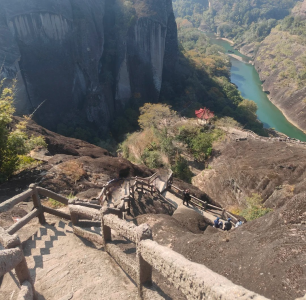
Tianyou Peak is one of the most iconic landmarks in Wuyishan National Park and the best vantage point for understanding the overall landscape of the area. The summit is not extremely high in elevation, but the ascent is steep and compact, with dense stone steps that require a fair level of stamina. Once you reach the top, the view opens up instantly. The Nine-Bend River winds below like a ribbon, while layers of peaks unfold one after another, creating a classic “see the whole picture from above” experience that defines Wuyishan’s mountain scenery.
Huxiao Cliff
Huxiao Cliff, literally meaning “Tiger Roaring Cliff,” gets its name from its sheer rock walls and powerful echo effects. This narrow canyon section showcases the dramatic character of Danxia landforms in Wuyishan. With near-vertical cliffs on both sides, walking through the gorge creates a strong sense of compression and scale.
After rainfall or when the wind picks up, echoes roll through the canyon like a tiger’s roar, adding a raw and atmospheric edge to the landscape.
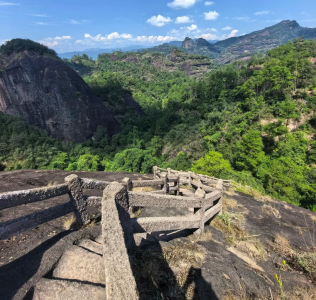
Wuyi Palace (Dawang Peak)
Wuyi Palace sits along the banks of the Nine-Bend River and represents one of the most culturally concentrated areas in Wuyishan. Backed by Dawang Peak and facing the water, it has long served as a site for rituals, teaching, and cultural gatherings.
This area plays a key role in understanding Neo-Confucian philosophy associated with Zhu Xi and has remained a cultural center of Wuyishan since the Song Dynasty.
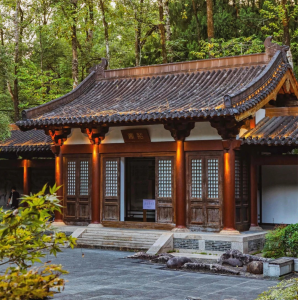
Nine-Bend River Bamboo Rafting
Nine-Bend River bamboo rafting is the most immersive and irreplaceable experience in Wuyishan National Park. The raft drifts downstream at a relaxed pace, passing through all nine bends over about 90 minutes. Along the way, Danxia peaks rise close on both sides, and the relationship between mountains, water, and rock becomes increasingly vivid as the scenery slowly unfolds.
- Price: 130 CNY per person (same price for adults and children). Each bamboo raft carries 8 people. After entering the river, you can choose a detailed explanation service for an additional 20 CNY per person (optional).
- Fish food / raincoats / shoe covers: Available at the rafting pier at very reasonable prices. Fish food costs 1 CNY per pack or 5 CNY for 6 packs. Shoe covers are 1 CNY per pair, and raincoats are 3 CNY each. The quality is good, and shoe covers are highly recommended.
- Duration: 90 minutes
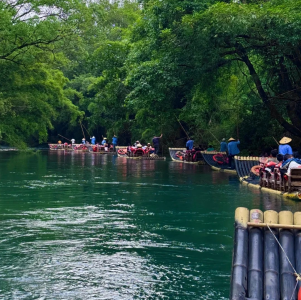
Impression Da Hong Pao Performance
Impression Da Hong Pao is a large-scale outdoor performance inspired by the landscapes and tea culture of Wuyishan, and it is well worth reserving time for in the evening. The show blends natural mountains, water, lighting, and music, with the stage set across the entire valley rather than in a traditional theater.
- Ticket price: 208 CNY to 588 CNY. The audience seating rotates 360 degrees, and seats farther from the stage are more expensive. It’s worth asking your hotel about possible discounts.
- Show duration: 90 minutes
- Ticket purchase: Klook Deals
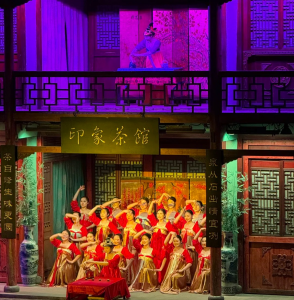
Tea Tasting
In Wuyishan, drinking tea is a formal travel experience in its own right. Whether it’s rock tea, black tea, or a casual visit to a tea house in the mountains or by a stream, you can clearly feel how closely tea culture connects with the natural environment here.
- Tips: Make sure to eat something before drinking tea. I once drank tea on an empty stomach and ended up feeling unwell from “tea intoxication.” Wuyishan teas are strong, so it’s important to have food first and enjoy the tea slowly to fully appreciate its mountain character.
Wuyishan Ticket Guide
Admission to Wuyishan National Park is free. The main costs come from sightseeing shuttle buses within the park and the bamboo rafting experience. While hiking between attractions is possible, the park is very large, and walking-only routes can exceed 25 km per day. For this reason, the shuttle bus is strongly recommended.
If you plan to hike only, note that entry is allowed exclusively through the North Gate. The South Gate does not allow entry without purchasing a shuttle bus ticket.Most visitors stay for either three days and two nights or two days and one night. Many arrive in the afternoon of the first day, check into their hotel, and then begin sightseeing. For this reason, a two-day or three-day shuttle bus pass is usually the most practical choice. Bamboo rafting tickets do not require advance booking during the off-season, but in peak season, reservations must be made in advance through the official WeChat account.
Sightseeing Shuttle Bus Prices
- Adults:
- One-day pass: 70 CNY
- Two-day pass: 85 CNY
- Three-day pass: 95 CNY
- Children: 40 CNY (height 1.2–1.5 meters, three-day pass only)
- Seniors: 40 CNY (65 years and above, three-day pass only)
Where to Buy Tickets
- Online: Official WeChat account “Wuyishan Tourism” or third-party booking platforms
- Ticket Purchase: Trip.com Discounts
- Offline: Ticket counters at park entrances
Recommended Wuyishan Itineraries
Trips to Wuyishan are typically planned as either a three-day or two-day visit. Given the size of the park and the inclusion of performances and rafting, the following routes are recommended:
- Three-day itinerary, using the sightseeing shuttle bus to cover all major attractions in Wuyishan National Park.
- Day 1: Tianyou Peak → Taoyuan Cave → One-Line Sky → Sangu Street (dining, shopping, souvenirs) → Impression Da Hong Pao performance
- Day 2: Baiyun Zen Temple → Nine-Bend River bamboo rafting → Song Street → Wuyi Palace (Zhu Xi Garden + Song Street food walk) → Fish Viewing Platform → Zhizhi Hermitage
- Day 3: Water Curtain Cave → Huiyuan Zen Temple → Da Hong Pao Mother Trees → Tianxin Yongle Zen Temple. Plan to stay until the afternoon and manage time carefully.
- Two-day itinerary
- Day 1: Nine-Bend River bamboo rafting (7:30–9:00 time slots are best) → Wuyi Palace (Zhu Xi Garden + Song Street food walk) → Tianyou Peak → Impression Da Hong Pao performance
- Day 2: Da Hong Pao Mother Trees → Rock Bone Flower Fragrance Walking Trail → Sangu Resort Area (dining, shopping, souvenirs)
Recommended Local Food Around Wuyishan
There are plenty of dining options inside Wuyishan National Park. Around almost every major attraction, you’ll find small shops selling drinks and snacks. Food availability is generally not an issue. A bottle of water usually costs about 5 CNY, which is slightly expensive but still acceptable. If you want a proper sit-down meal, it’s better to eat outside the park area.
Tangyan · Laowuyi Local Cuisine
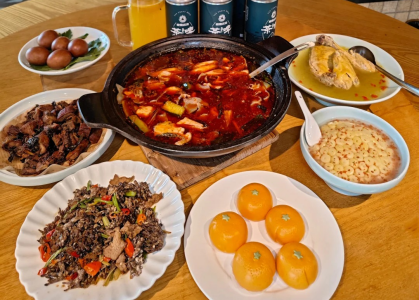
- Why it’s recommended: This restaurant offers a wide range of traditional Wuyishan dishes. The must-order dish is the Da Hong Pao Tea Fish. The fragrant and mildly spicy broth allows the fish to absorb rich flavors while keeping a subtle tea aroma. It’s the kind of dish that easily justifies a second or even third bowl of rice.
- Address: 2F, Back Building, No. 28 Yinpingfeng Road, Holiday Resort Area, Wuyishan, Nanping (Apple Maps / Amap)
- Opening hours: Monday–Sunday 11:00–16:00, 17:00–21:30
- Average cost: 79 CNY per person
Yan Wuyi · Artisanal Fujian Cuisine
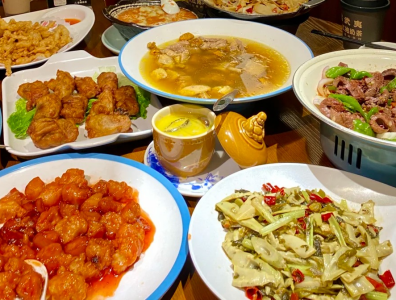
- Why it’s recommended: Authentic Fujian cuisine with excellent ingredients. The steamed red-eye fish is exceptionally fresh and sweet. Fish are prepared to order, and the steaming method preserves the natural flavor and texture perfectly.
- Address: 3F, No. 28 Yinpingfeng Road, Sangu Resort Area, Wuyishan, Nanping (Apple Maps / Amap)
- Opening hours: Monday–Sunday 11:00–21:30
- Average cost: 73 CNY per person
Recommended Hotels Around Wuyishan
There is a wide range of accommodation options in Wuyishan. It is highly recommended to stay near the South Entrance of Wuyishan National Park. This area offers convenient access to the park, Sangu Street, and the Impression Da Hong Pao performance venue, making dining, shopping, and evening activities much easier.
Wuyishan Dafangju Villa Hotel
.webp)
- Location: About a 10-minute walk to the Impression Da Hong Pao performance venue
- Price per night: 222 CNY
- Check Rates: Trip.com Specials、Agoda Deals
- Rating: Trip 9.8 / Agoda 9.8
- Special Amenities: Laundry room, family rooms
Located in the Sangu Resort area, the hotel is roughly a 10-minute walk from the Impression Da Hong Pao theater, making it very convenient after evening shows. Access to the South Entrance of Wuyishan National Park is also easy. Free public buses run nearby, and taxi rides usually cost the minimum fare. Overall routes are simple and efficient.
This villa-style property offers a warm and comfortable atmosphere. Rooms are clean and well maintained, with comfortable bedding. Attention to detail stands out, including eye masks, earplugs, snacks, tea, foot-soak buckets, and massage tools. Small gifts are provided at check-in and departure. Guests can enjoy complimentary Da Hong Pao tea eggs and tea snacks. A tea area on the ground floor creates a relaxed setting. Service is friendly and proactive, with staff happy to help plan itineraries. The hotel is also family-friendly.
C&D Resort, Wuyi Mountain
.webp)
- Location: Located directly on Sangu Street
- Price per night: 499 CNY
- Check Rates: Trip.com Specials、Agoda Deals
- Rating: Trip 9.5 / Agoda 9.4
- Special Amenities: Indoor swimming pool, gym, family rooms
The hotel sits at the heart of the Sangu Resort area, with Sangu Street right downstairs and the old street and Impression Da Hong Pao theater directly across the road. Dining, strolling, and attending performances can all be done on foot. Taxi rides to both the South and North Entrances of Wuyishan National Park take about five minutes, making transportation effortless.
Both facilities and service quality are consistently strong. Rooms are clean and comfortable, and many offer direct views of Dawang Peak, which leaves a lasting impression. Service is attentive, with smooth check-in procedures and helpful assistance with room arrangements and afternoon tea or travel advice. Breakfast is a highlight, offering a wide selection with local specialties such as Guangbing flatbread and Da Hong Pao tea drinks.
Millennium Resort Wuyishan
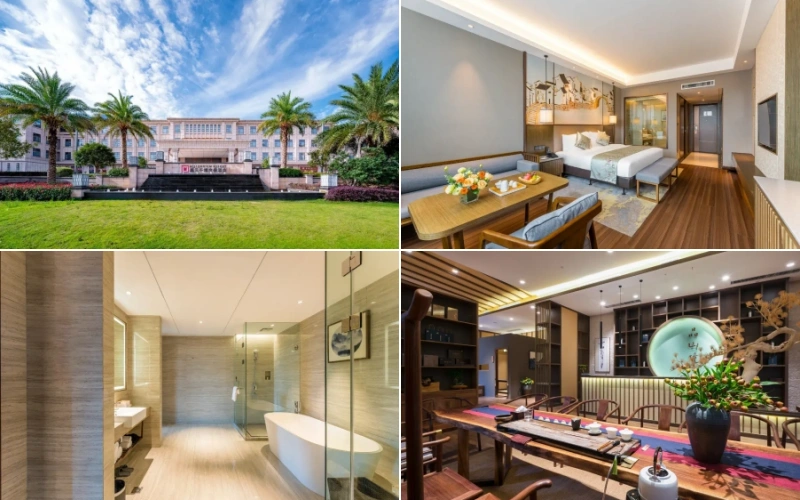
- Location: About a 10-minute walk to the Impression Da Hong Pao performance venue
- Price per night: 506 CNY
- Check Rates: Trip.com Specials
- Rating: Trip 9.4
- Special Amenities: Gym, robot room service, family rooms, 10-person rooms
Located along the Chongyang River, the hotel offers a quiet environment. It is around a 10-minute walk to the Impression Da Hong Pao theater and a 4–5 minute taxi ride to the South Entrance of Wuyishan National Park. Public buses also stop nearby. Sangu Old Street and the Tea Expo Park are within walking distance, giving flexibility for both sightseeing and evening activities.
Rooms are spacious, clean, and consistently comfortable, especially the beds. Service is a strong point, with quick response times even during holidays. Small farewell gifts are often provided at checkout. The on-site gym and restaurant offer practical options, with reasonably priced set meals that make it easy to find hot food upon arrival. Overall, the experience is relaxed and low-stress, suitable for families or groups.
HALOYON VILLA WUYI
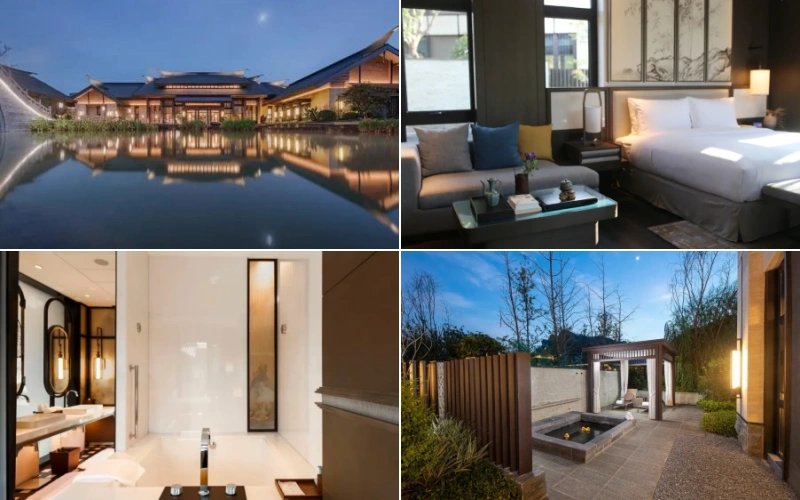
- Location: About an 8-minute taxi ride to the entrance of Wuyishan National Park
- Price per night: 608 CNY
- Check Rates: Trip.com Specials
- Rating: Trip 9.7
- Special Amenities: Gym, indoor swimming pool, family rooms, 14-person rooms
The hotel is located about eight minutes by car from the park entrance. The setting is quiet but not remote. Shuttle services operate at the entrance and within the resort, so walking is rarely necessary. A rear gate connects directly to the Chongyang River walking path, which is ideal for relaxed strolls with mountain views. Travel between the park and resort dining areas is smooth, making it suitable for a slower-paced stay.
This property follows a high-end resort style, featuring Song Dynasty-inspired gardens combined with water features and courtyards. Staying here feels like visiting an attraction in itself, and the setting is highly photogenic. Rooms are spacious and well equipped, with quality toiletries and thoughtfully prepared amenities. The minibar is replenished daily. Facilities include an indoor pool, sauna, and gym, making it easy to unwind after hiking. Family activities and large-room options are also available, making it a strong choice for families or group travelers.
How to Get to Wuyishan
The most convenient way to reach Wuyishan is by train plus light rail. From most cities, travelers first take a train to Nanping Station or Wuyishan North Railway Station, then continue by taxi or public transportation to Wuyishan.
Train + Light Rail
There are two railway stations with easy access to Wuyishan: Wuyishan North Station and Nanping Station. Nanping Station is the recommended choice. From Nanping Station, take the light rail directly to Wuyishan Station, which is the final stop. The ride takes about 40 minutes and costs 10 CNY. Trains run frequently, seats are readily available, and comfort levels are high. After exiting the station, the South Entrance of Wuyishan National Park is located directly across the road.
FAQ
Not really. Many routes involve climbing, and even flat sections often have uneven surfaces. This can make both walking and riding uncomfortable.
There are luggage storage lockers near the park entrances. Large suitcases stored in locker-style units cost 4 CNY per hour. In addition, a supermarket to the left of the ticket checkpoint offers luggage storage for 10 CNY per day.
Comment (0)