
 English (US)
 繁體中文
繁體中文  日本語
日本語  한국어
한국어  ไทย
ไทย  Русский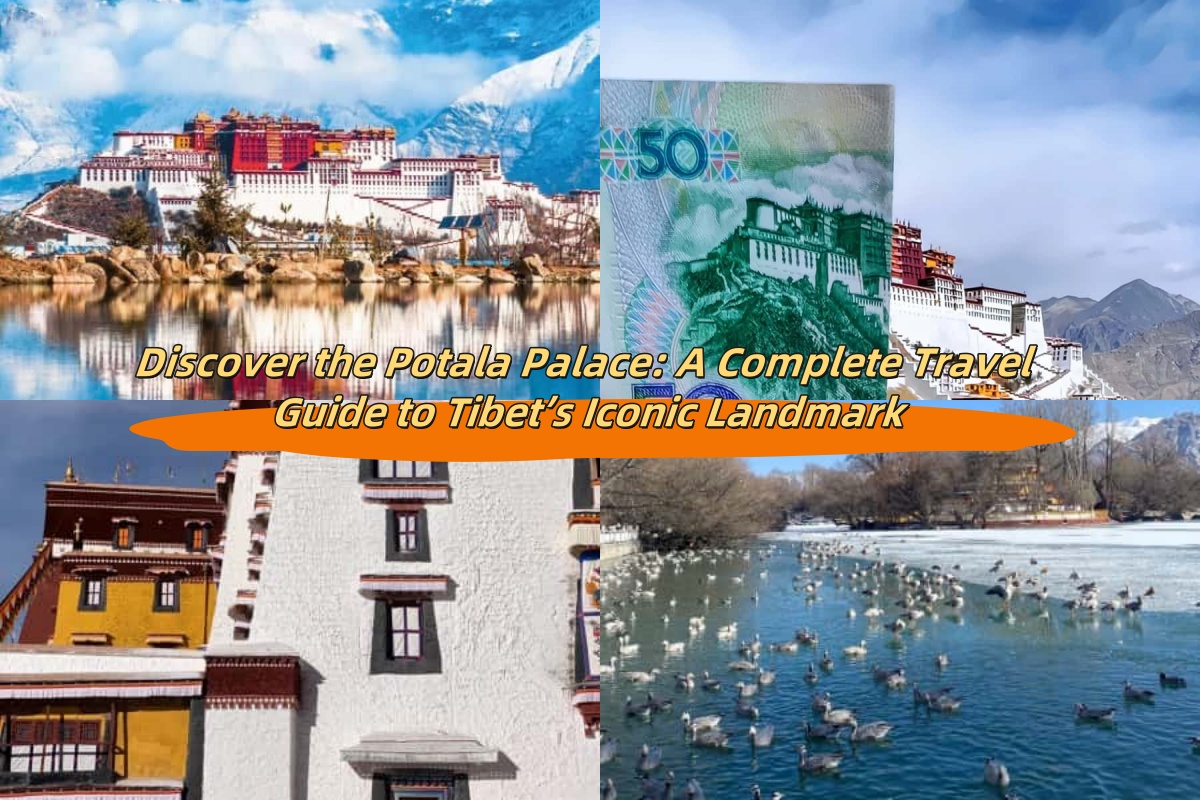
Hi there, I’m Michael Zhang, a seasoned travel enthusiast from China with a passion for exploring history, culture, and immersive travel experiences. With extensive international travel experience, I strive to provide meaningful insights and detailed guides to help make your journey unforgettable. In this article, I’ll take you on a deep dive into the Potala Palace, a cultural gem of Tibet and a must-see destination for any traveler.
Summary
About the Potala Palace
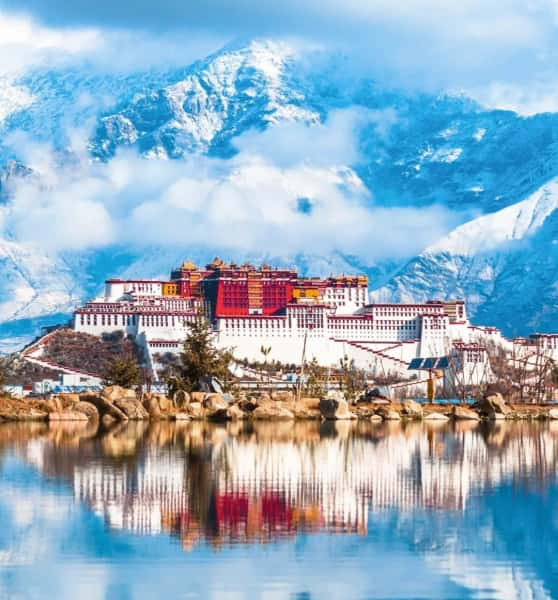
The Potala Palace served as the winter residence for successive Dalai Lamas and was the political and religious center for Tibetan rulers under theocratic governance. Since the time of the Fifth Dalai Lama, it has been the venue for major religious and political ceremonies, as well as the resting place of the Dalai Lamas’ holy stupas. Designated as a UNESCO World Heritage Site in 1994, this palace is celebrated for its architectural splendor and cultural significance, acting as a gateway to understanding Tibetan history and heritage.
- Address: Marpo Ri (Red Hill), northwest of Lhasa city center, Tibet Autonomous Region, China (Apple Maps / Amap)
- Opening Hours: Closed on Mondays; open on Mondays during China’s public holidays.
- Peak Season (May–October): 9:00 AM – 5:30 PM (last entry at 3:40 PM)
- Low Season (November–April): 9:30 AM – 5:00 PM (last entry at 3:20 PM)
- Recommended Visit Duration: 2–3 hours
- Best Time to Visit: While the palace is open year-round, the ideal travel period is from June to October. July and August see the highest visitor numbers due to the pleasant, warm, and humid climate. Additionally, Lhasa’s rainy season during these months boosts vegetation and oxygen levels, reducing the risk of altitude sickness.
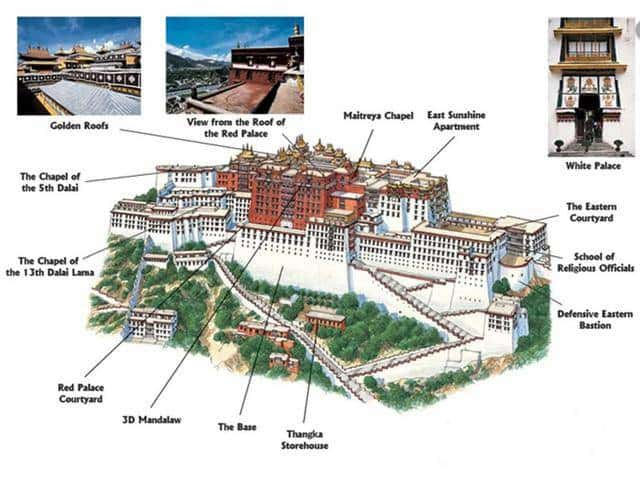
Potala Palace Map
Why Visit the Potala Palace?
The Potala Palace is more than just a monument; it’s the spiritual home of the Tibetan people and an iconic global attraction. With immense historical and cultural importance, it stands as a symbol of Tibetan Buddhism and architectural excellence. This palace showcases the pinnacle of Tibetan art, including its architecture, paintings, and religious artifacts.
Fun fact: The Potala Palace is featured on the reverse side of China’s 50 RMB banknote, highlighting its national and cultural significance.
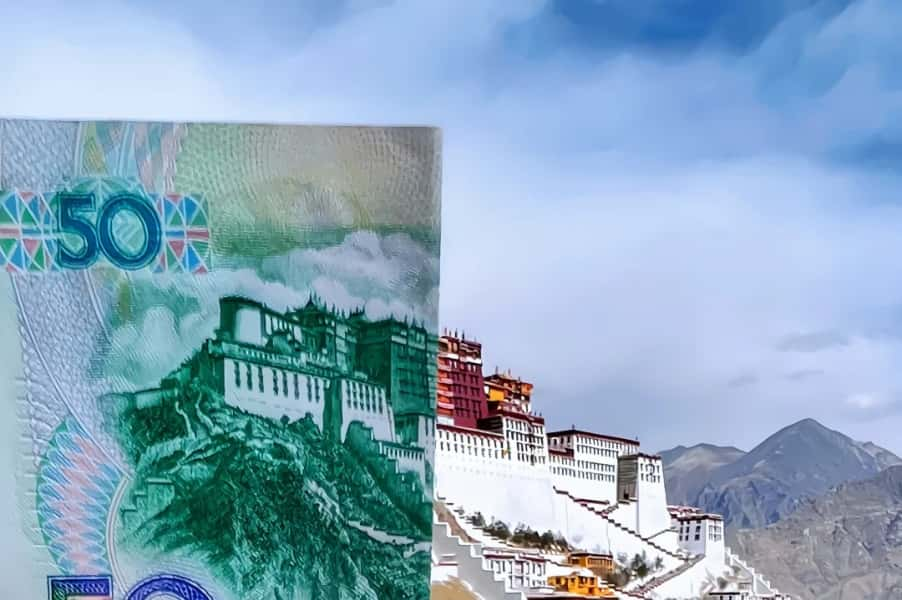
Things to Do in Potala Palace
Visiting the Potala Palace is a once-in-a-lifetime experience, offering an array of attractions steeped in history, culture, and architectural brilliance. Here are the key highlights that you must explore during your visit:
Main Attractions
The White Palace
The White Palace, standing seven stories high, was historically the winter residence of the Dalai Lamas and the administrative hub of Tibet’s local government.
- On the fourth floor lies the Eastern Sunlight Hall, the largest hall in the White Palace, spanning 717 square meters. This grand hall served as the site for significant religious and political ceremonies, including the Dalai Lama’s enthronement and governmental functions.
- The fifth and sixth floors housed offices and living quarters for the regents.
- The seventh floor features the Eastern and Western Sunlight Rooms, the Dalai Lama’s private winter chambers, aptly named for their year-round exposure to sunlight.
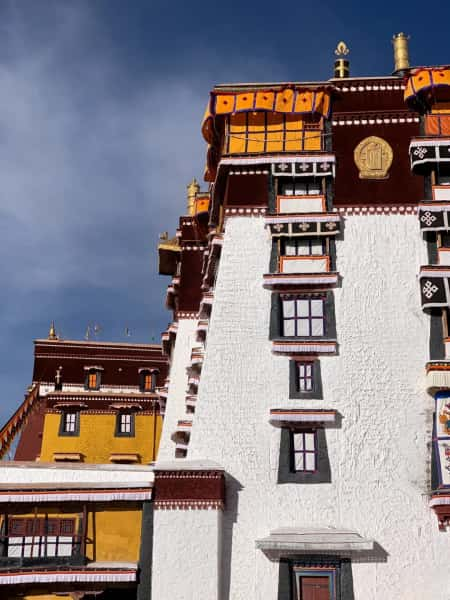
The Red Palace
The Red Palace, nearly square in shape and towering nine stories, serves as the religious center of the Potala Palace. It is home to numerous sacred stupas and chapels.
- The central Western Hall is the heart of the Red Palace, surrounded by several chapels and the stupas of past Dalai Lamas.
- Key sites include the Chapel of Enlightenment Path to the east, the Chapel of Vajradhara to the south, the Chapel of Lama Lineage to the north, and the grand Stupa of the Fifth Dalai Lama to the west. The stupa, a towering golden structure, connects to the palace roof, symbolizing reverence and continuity.
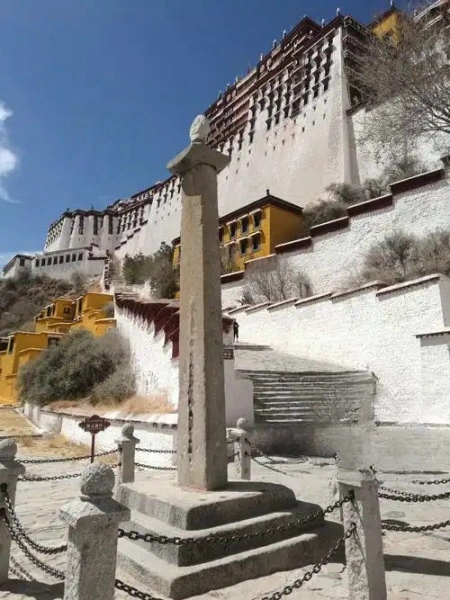
- Upon its completion in 1693, a grand inauguration ceremony was held, and an Uninscribed Monument was erected at the palace’s base to commemorate this historic achievement.
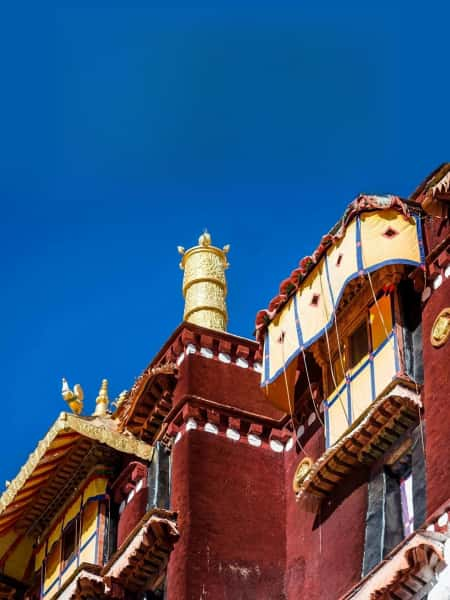
Snow City
The area beneath the palace, known as Snow City in Tibetan, consists of three towering walls on the east, south, and west. The modest yet elegant architectural style of Snow City contrasts beautifully with the grandeur of the Red Palace and its golden roofs above, creating a harmonious visual experience.
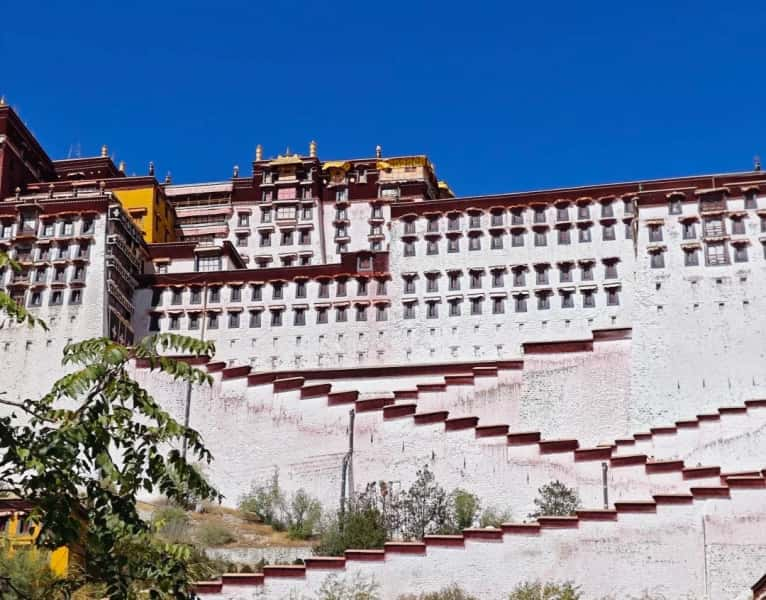
Dragon King Pond
The Dragon King Pond, called Zongjiao Lukang in Tibetan, was formed in the 17th century during the palace’s construction. Excavated earth from behind the mountain created this tranquil body of water, later adorned with pavilions and walkways to form a serene retreat.
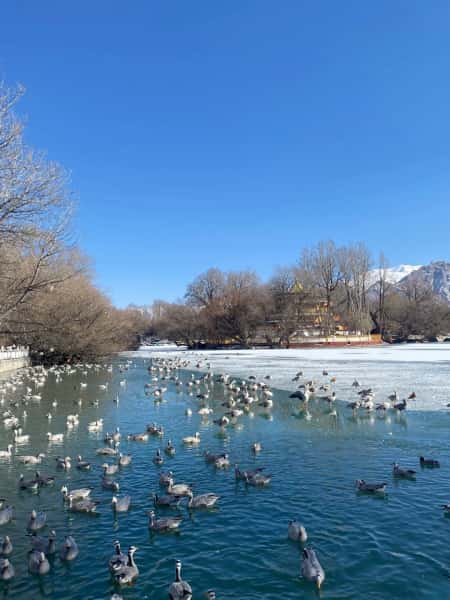
Golden Roofs
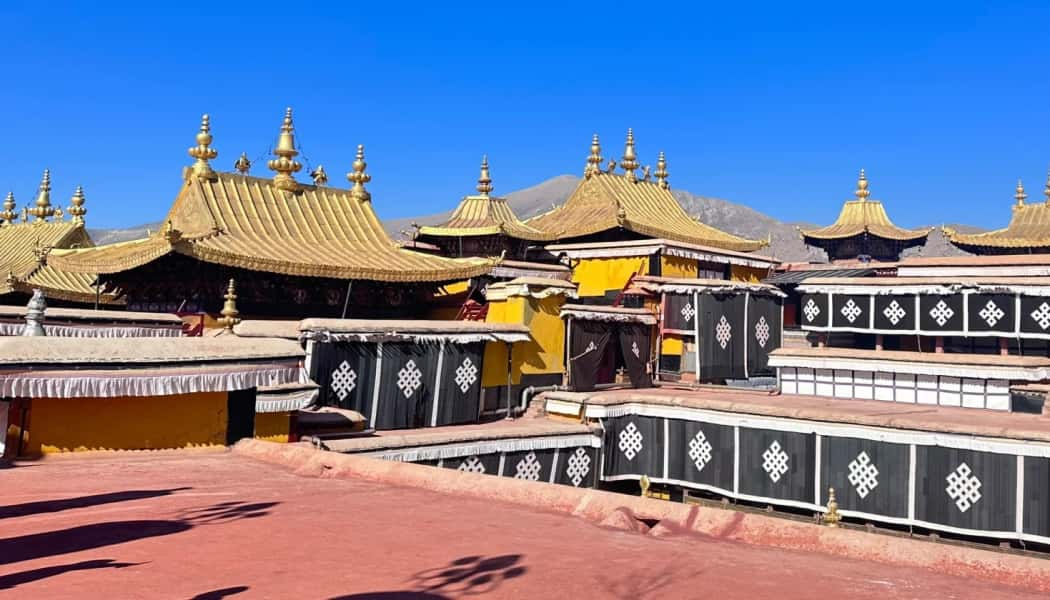
The Golden Roofs, a unique feature of the Potala Palace, crown the Red Palace with seven magnificent gilded structures made from gilded copper. Each roof features lightning rods shaped like flaming iron tridents, exemplifying Tibetan architectural ingenuity.
Uninscribed Monument
Erected in 1693, this Uninscribed Monument commemorates the completion of the Red Palace. Its simplicity reflects a profound reverence for the monumental achievement of constructing the palace.
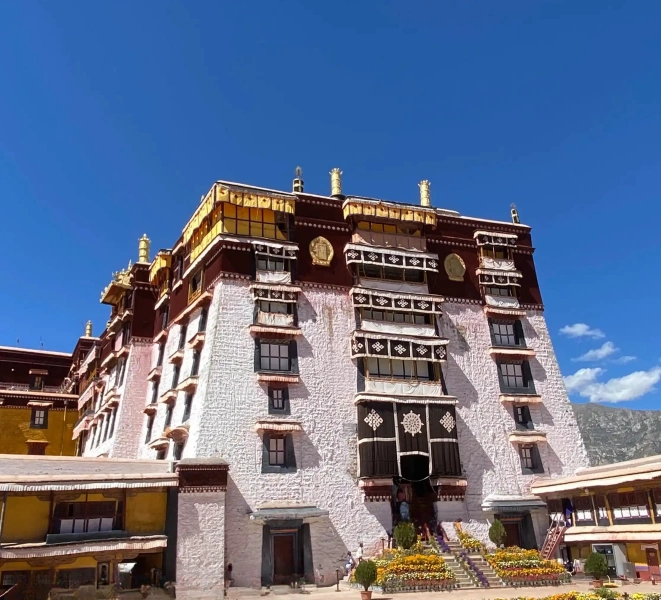
Deyang Shar Courtyard
The Deyang Shar Courtyard, also known as the Eastern Courtyard, is a spacious platform in front of the White Palace’s main entrance. Covering over 1,300 square meters, it served various functions historically. Surrounding it are four-story storage facilities, including tea warehouses, educational spaces, and staff quarters.
Potala Palace Ticket Guide
Planning your visit to the Potala Palace? Here’s a detailed guide to ensure a smooth and hassle-free experience.
Winter Free Admission Period
From October 15 to March 15, visitors can enjoy free admission to the Potala Palace. For the 2024-2025 season, this period runs from October 15, 2024, to March 15, 2025. However, even during the free admission period, online reservations are required.
Potala Palace Routes and Ticket Prices
The Potala Palace offers two visiting routes: Route 1 and Route 2.
- Route 1: Recommended for most visitors as it covers the main attractions.
- Route 2: Open only during the peak season to manage crowds. If tickets for Route 1 are unavailable, Route 2 is a suitable alternative.
Ticket Prices for Route 1:
- Adults:
- Peak season (May–October): 200 RMB per person
- Low season (November–April): 100 RMB per person
- Seniors (60+ years old):
- Peak season: 100 RMB per person
- Low season: 50 RMB per person
- Children (under 6 years old or under 1.2 meters in height): Free
Ticket Prices for Route 2:
- Adults: 100 RMB per person
- Seniors (60+ years old): 50 RMB per person
- Children (under 6 years old or under 1.2 meters in height): Free
Opening Hours
- Peak Season (May–October): 9:00 AM – 5:30 PM (last entry at 3:40 PM)
- Low Season (November–April): 9:30 AM – 5:00 PM (last entry at 3:20 PM)
How to Buy Tickets
There are two main ways to purchase tickets for the Potala Palace:
- Online:
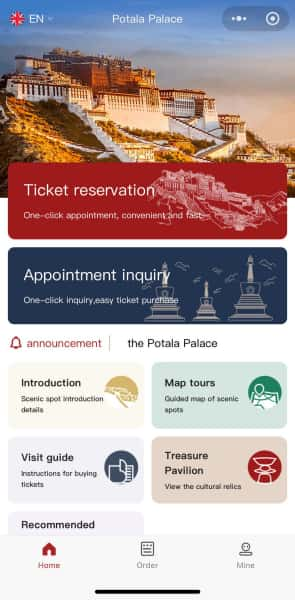
- Use the official Potala Palace WeChat account, which supports multiple languages, including English, Chinese, Japanese, and Korean.
- Offline:
- Tickets are not sold for same-day entry. All visitors must book their tickets with real-name registration in advance. Purchase your ticket at least one day before your visit to ensure entry.
Hiring a Guide for Your Visit
It is highly recommended to book a professional guide in advance before visiting the Potala Palace. The palace is steeped in architectural brilliance, rich history, and profound religious culture. A knowledgeable guide can help you gain deeper insights into the fascinating stories behind each site, the traditions of Tibetan Buddhism, and the significance of the palace’s intricate design. With their expertise, your visit will become a more meaningful and enriching experience.
Recommended Routes for Touring the Potala Palace
Route 1: In-Depth Experience
This route is ideal for visitors who want a comprehensive understanding of the palace’s history, religious significance, and architectural marvels.
- Snow City Eight Attractions: A collection of classic structures at the base of the Potala Palace, showcasing its unique blend of palatial and fortress-like designs.
- Deyang Shar Courtyard: The spacious square in front of the White Palace’s entrance, perfect for capturing panoramic views of the palace.
- White Palace Corridor: The main passageway leading to the heart of the White Palace.
- White Palace Rooftop: Explore the former winter residence of the Dalai Lama and feel the profound blend of power and faith that this space represents.
- Eastern Sunlight Hall: The largest hall in the White Palace, where significant religious and political ceremonies took place.
- Jampa Buddha Chapel: A beautifully decorated hall dedicated to the Maitreya Buddha, exuding a serene and sacred ambiance.
- Other Highlights (16 attractions total): These include a variety of stupas and chapels, each telling a story of Tibetan culture and spirituality.
Route 2: Classic Highlights
This route is better suited for those with limited time or who prefer a less intensive visit.
- Snow City Eight Attractions: Similar to Route 1, this stop highlights the palace’s architectural beauty at its foundation.
- Deyang Shar Courtyard: A great spot to take photos of the palace’s grandeur.
- White Palace Corridor: Walk through this historic pathway to the inner chambers.
- Eastern Great Hall: One of the central halls within the palace, adorned with intricate decorations and brimming with religious significance.
- Sedan Chair Exhibition: A fascinating display of sedan chairs once used by the Dalai Lamas, along with related artifacts that offer a glimpse into their daily lives.
- Other Highlights (8 attractions total): Covering the palace’s core areas, this route provides a concise yet rich experience.
How to Get to the Potala Palace from Downtown
By Bus
Taking a bus is an affordable and convenient option for reaching the Potala Palace. Lhasa’s city buses are frequent and well-connected:
- Key Routes:
- Route 1: Directly reaches the base of the Potala Palace.
- Route 2: Passes near the palace along major city roads.
- Route 6: Covers most popular tourist spots, including the Potala Palace.
- Fare: Typically 1-2 RMB per ride.
By Taxi or Ride-Hailing Service
- Taxi: A ride from downtown Lhasa to the Potala Palace takes around 10-20 minutes, depending on your starting point. Fares usually range between 15-30 RMB during the day.
- Ride-Hailing: Apps like DiDi are widely available in Lhasa, offering a more convenient way to book rides at similar prices.
Recommended Dining Near the Potala Palace
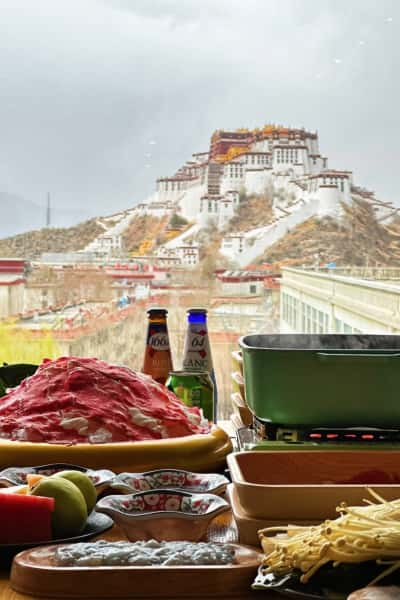
Pingcuo Kangzang • Wagyu Buffet & Scenic Restaurant
- Address: 6th Floor, Pingcuo Kangzang Hotel, 31 Duosenge Road, Chengguan District, Lhasa
- Why Visit: This hidden gem offers both lodging and dining. Its sixth-floor restaurant serves wagyu hot pot and boasts stunning views of the Potala Palace. Guests often discover this treasure by accident but leave with rave reviews.
FAQ
Due to the numerous stairs and limited space inside the palace, strollers are not recommended. If necessary, strollers can be left at the entrance.
The Potala Palace offers limited luggage storage at the entrance. To ensure a hassle-free visit, it’s best to travel light. For larger items, consider using storage services at your hotel or nearby facilities.
Comment (0)