
Huangshan Travel Guide

Huangshan City is one of China’s most distinctive destinations for natural scenery and cultural heritage, best known for the Huangshan Scenic Area, Huizhou-style ancient villages, and Huizhou culture. This guide covers the top attractions, recommended itineraries, best areas to stay, transportation options, local food, best time to visit, map information, and practical travel tips to help you plan a smoother trip to Huangshan City.

At a Glance

  • Known for: Huangshan Scenic Area, Hongcun and Xidi, Huizhou Ancient City, Tunxi Old Street, Huizhou-style architecture and Huizhou culture
  • Recommended stay: 3–4 days
  • Best time to visit: Spring and autumn, especially March–May and September–November
  • Local food: Huangshan sesame flatbread, stinky mandarin fish, hairy tofu, Huizhou wontons, Huizhou fermented rice wine
  • Best for: Mountain scenery trips, ancient village photography, Huizhou culture tours, weekend getaways, and slower in-depth travel

Things to Do in Huangshan

Travel in Huangshan City usually centers on the natural beauty of Huangshan Mountain, Huizhou-style ancient villages, Huizhou history and culture, and old-street food experiences. For a first visit, it’s best to prioritize the most iconic attractions and experiences, then add neighborhood walks, museums, food, night views, or nearby day trips depending on how long you stay.

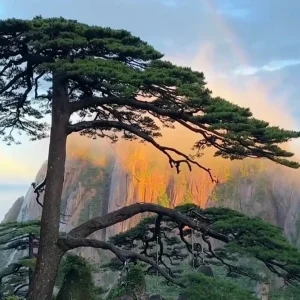
Famous for its strangely shaped pines, dramatic rock formations, seas of clouds, hot springs, and winter snow, this is Huangshan City’s most iconic natural attraction.
Hongcun

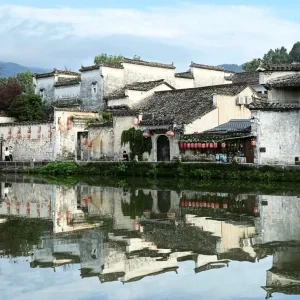
A classic Huizhou-style village known for South Lake, Moon Pond, and white-walled, dark-tiled houses—perfect for photography and slow wandering.
Xidi

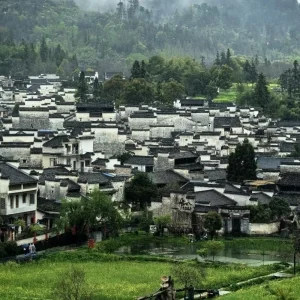
A well-preserved Huizhou-style ancient village, ideal for appreciating memorial archways, historic residences, and architectural details.
Huizhou Ancient City

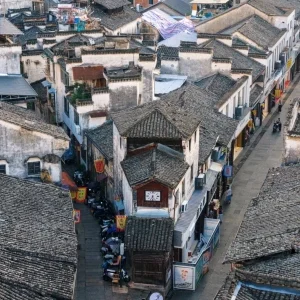
The former seat of Huizhou Prefecture, ideal for learning about Huizhou history, archway culture, and the atmosphere of an old walled town.
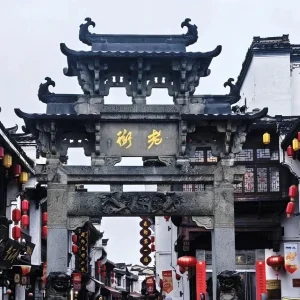
Tunxi Old Street

A classic old street in downtown Huangshan, great for browsing shops, trying snacks, and buying souvenirs.
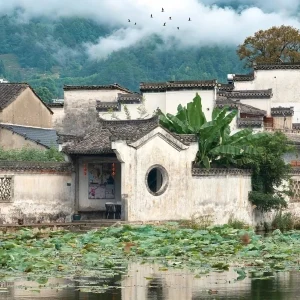
Chengkan

Known for its Bagua-style village layout and ancient architectural complex, suitable for travelers interested in lesser-known villages and Huizhou culture.
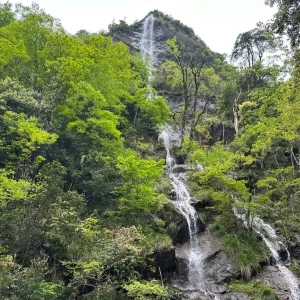
Huizhou Grand Canyon

Known for its canyons, streams, and mountain scenery, suitable for nature breaks and summer escapes.

Suggested Huangshan Itinerary

Huangshan City itineraries can be planned as quick highlights trips, classic sightseeing routes, or deeper cultural experiences depending on your length of stay. If it’s your first visit, it’s recommended to build your core itinerary around Huangshan Scenic Area, Hongcun, Xidi, Huizhou Ancient City, and Tunxi Old Street, then add Chengkan Ancient Village, Huizhou food experiences, or nearby ancient village day trips if time allows.

The following Huangshan City itineraries are suitable for first-time visitors. You can adjust the order based on your flight or high-speed rail schedule, hotel location, and interests. During holidays or when popular attractions require reservations, leave extra buffer time.

2 Days / 1 Night Itinerary

Best for travelers with limited time, focusing on the two classic highlights: Huangshan Scenic Area and Hongcun

  • Day 1: Hongcun day trip
  • Day 2: Huangshan day trip

3 Days / 2 Nights Itinerary

Best for first-time visitors who want a more complete Huangshan experience, covering Huizhou Ancient City, ancient villages, and Huangshan Scenic Area

  • Day 1: Arrival → Huizhou Ancient City → Tunxi Old Street → Longfu Old Street
  • Day 2: Xidi → Hongcun → South Lake Academy → Chengzhi Hall → Moon Pond
  • Day 3: Huangshan Scenic Area → Departure

Where to Stay in Huangshan

For first-time visitors to Huangshan City, the most recommended place to stay is usually downtown Huangshan, around Tunxi District, because transportation is convenient, major attractions are relatively easy to reach, and there are plenty of hotel options. If you care more about mountain access, ancient village atmosphere, a quiet setting, or airport/train station convenience, you can also choose areas near the Huangshan Scenic Area, Hongcun, or Huangshan North Railway Station based on your itinerary.

  • Downtown Huangshan: Best for first-time visitors, transportation transfers, old-street dining, and multi-direction sightseeing. This area offers many hotel choices, concentrated dining options, and easy access to Huangshan North Railway Station and Tunxi Old Street, making it a good base for multi-day trips.
  • Huangshan Scenic Area: Best for travelers whose main goal is hiking Huangshan, starting early, or watching sunrise and sunset. This area includes Tangkou Town, the South Gate, scenic area transfer centers, and mountaintop hotels. If you want to reduce travel time before going up the mountain, consider staying here.
  • Hongcun: Best for photography lovers, slow travelers, and visitors who want to experience Huizhou-style guesthouses. With South Lake, Moon Pond, old lanes, and traditional inns, Hongcun is a strong choice if you want to photograph the village in the quieter early morning or evening.

How to Get to and Around Huangshan

Most travelers reach Huangshan City by plane or high-speed rail. The city is mainly served by Huangshan Tunxi International Airport, as well as major railway stations such as Huangshan North Railway Station, Huangshan Railway Station, Shexian North Railway Station, and Yixian East Railway Station. If you are traveling from nearby cities such as Hangzhou, Shanghai, Nanjing, Hefei, Nanchang, or Fuzhou, high-speed rail is usually the most convenient and predictable option.

From Huangshan Tunxi International Airport to the city center, you can take a taxi, ride-hailing car, bus, or private transfer. The best option depends on your arrival time, luggage, hotel location, and budget. Huangshan City’s main commercial airport is currently Huangshan Tunxi International Airport, so when booking hotels or transfer services, simply confirm that you are arriving at Tunxi Airport.

Huangshan City has multiple railway stations, and different stations may serve different high-speed rail or regular train routes. Before booking tickets, carefully confirm your departure and arrival stations, as travel times between Huangshan North, Huangshan Railway Station, Shexian North, and Yixian East can vary significantly within the city and across counties.

When traveling within Huangshan City and between attractions, tourist shuttle buses, scenic area buses, taxis, and ride-hailing services are usually more practical than metro systems. Attractions are spread out, and Huangshan Scenic Area, Hongcun, Xidi, Huizhou Ancient City, and Tunxi Old Street are not in the same area. If you plan to visit ancient villages, canyons, or arrange a day trip, choose from tourist buses, direct scenic shuttles, private cars, shared rides, transfer services, or local tours depending on your destination.

What to Eat in Huangshan

Huangshan City is an excellent place to try Huizhou cuisine, with everything from classic regional dishes and street snacks to local restaurants offering distinctive flavors. First-time visitors should prioritize signature foods such as Huangshan sesame flatbread, stinky mandarin fish, and hairy tofu. Some dishes are easy to find near major attractions and commercial areas, while others are best experienced in local neighborhoods, long-established restaurants, or traditional markets.

Huangshan Sesame Flatbread

A classic Huangshan snack with a crisp, fragrant crust and a filling often made with preserved mustard greens and diced pork, making it a popular souvenir.

Stinky Mandarin Fish

One of the signature dishes of Huizhou cuisine. It has a fermented aroma, while the fish itself tastes tender, savory, and richly flavored.

Hairy Tofu

Tofu covered with fine white mold, then pan-fried or deep-fried until crisp outside and tender inside. It is one of Huizhou’s most distinctive snacks.
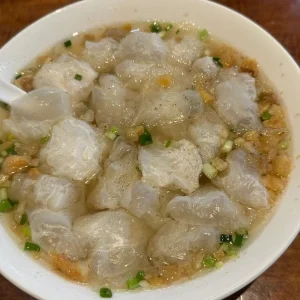
Huizhou Wontons

Thin wrappers, fresh fillings, and a light broth make these a good choice for breakfast or a simple meal.

Huizhou Fermented Rice Wine

Sweet and mild, often served as fermented rice balls or desserts, and especially nice after a meal.
Best Time to Visit Huangshan

The best time to visit Huangshan City is usually spring and autumn, when the weather is relatively mild and the seas of clouds, flowers, fall colors, and ancient village scenery are especially rewarding. These seasons are also more comfortable for outdoor sightseeing and city walks. Early winter can also be a good choice, while midsummer and the plum rain season may reduce travel comfort because of heat, rain, and slippery mountain paths.

  • January: Average temperatures are around 34°F–46°F (1°C–8°C). The weather is cold, and mountain areas may have ice or snow. Good for Huangshan winter and snow scenery, but pay attention to warmth, anti-slip gear, and cable car operation updates.
  • February: Average temperatures are around 37°F–52°F (3°C–11°C). It is still chilly, with clear temperature differences between morning and evening. Good for slow ancient village trips and late-winter hiking, but watch for Lunar New Year crowds.
  • March: Average temperatures are around 45°F–61°F (7°C–16°C). The weather gradually warms up and spring scenery begins to appear. Good for flower viewing in ancient villages and light hiking, but watch for spring rain and slippery mountain paths.
  • April: Average temperatures are around 55°F–72°F (13°C–22°C). Mild weather and beautiful spring scenery make this a good time for Huangshan hikes, Hongcun, Xidi, and Huizhou Ancient City, though popular sites may be crowded.
  • May: Average temperatures are around 64°F–81°F (18°C–27°C). The weather becomes warmer and rainfall increases. Good for nature scenery and ancient village photography, but expect May Day holiday crowds and occasional showers.
  • June: Average temperatures are around 72°F–86°F (22°C–30°C). The weather is humid and hot, with frequent rain. Good for slower off-peak travel, but bring rain gear, protect against humidity, and be careful on mountain paths.
  • July: Average temperatures are around 77°F–93°F (25°C–34°C). Hot and humid weather. Good for summer escapes, canyon trips, and early-morning hiking, but watch for heat and afternoon thunderstorms.
  • August: Average temperatures are around 75°F–91°F (24°C–33°C). Still hot, though mountain areas are cooler. Good for family summer trips, but expect summer vacation crowds and strong convective weather.
  • September: Average temperatures are around 68°F–84°F (20°C–29°C). The weather gradually cools down. Good for Huangshan hiking, ancient villages, and photography, though early autumn still requires sun protection.
  • October: Average temperatures are around 57°F–75°F (14°C–24°C). Comfortable weather and emerging fall colors make it suitable for most outdoor activities, but watch for National Day crowds and higher hotel prices.
  • November: Average temperatures are around 46°F–63°F (8°C–17°C). Cool, crisp weather and good autumn scenery make it suitable for ancient village photography, Huangshan viewpoints, and slow travel. Add layers for mornings and evenings.
  • December: Average temperatures are around 36°F–50°F (2°C–10°C). Cold weather, with possible rime ice or snow in mountain areas. Good for winter photography and quieter travel, but pay attention to warmth, anti-slip shoes, and scenic area transport changes.

Essential Huangshan Travel Tips

Before traveling to Huangshan City, it’s a good idea to plan a few practical details in advance, including attraction reservations, payment methods, mobile internet, transportation apps, and weather-appropriate packing. Some popular attractions may require advance reservations or ticket purchases, and certain services may work differently from what overseas visitors are used to.

  • Attraction Reservations: Popular attractions in Huangshan City, including Huangshan Scenic Area, Hongcun, Xidi, Huizhou Ancient City, and Chengkan, may require advance reservations during holidays and peak seasons. Check opening hours and ticket rules before departure.
  • Payment Methods: Mobile payment is widely used in mainland China. Prepare a usable payment method in advance, and also keep a small amount of backup cash or a bank card.
  • Mobile Internet: If you need to use maps, translation, ride-hailing, or ticket-booking services, prepare an eSIM, SIM card, or another stable internet option in advance.
  • Transportation Apps: Maps, ride-hailing apps, train ticket apps, attraction booking apps, and translation apps are very useful in Huangshan City, especially for train transfers, airport transport, and trips to ancient villages.
  • Travel Timing: Morning and evening rush hours, as well as holidays, can bring larger crowds. It’s best to visit popular attractions such as Huangshan Scenic Area, Hongcun, and Xidi in the morning and leave extra time for cross-area transportation.
  • Packing and Clothing: Huangshan City has noticeable seasonal temperature and weather changes, and temperatures on Huangshan Mountain are usually lower than downtown. Pack suitable clothing, rain gear, anti-slip shoes, and comfortable walking shoes based on your travel month.

Huangshan Maps

Understanding Huangshan City’s layout can make trip planning much easier. This section briefly explains where Huangshan City is located in China and how its main districts are generally distributed. For travelers, the most important areas are usually the city center, major transportation hubs, and the urban or suburban areas connected to popular attractions.

Where is Huangshan in China?

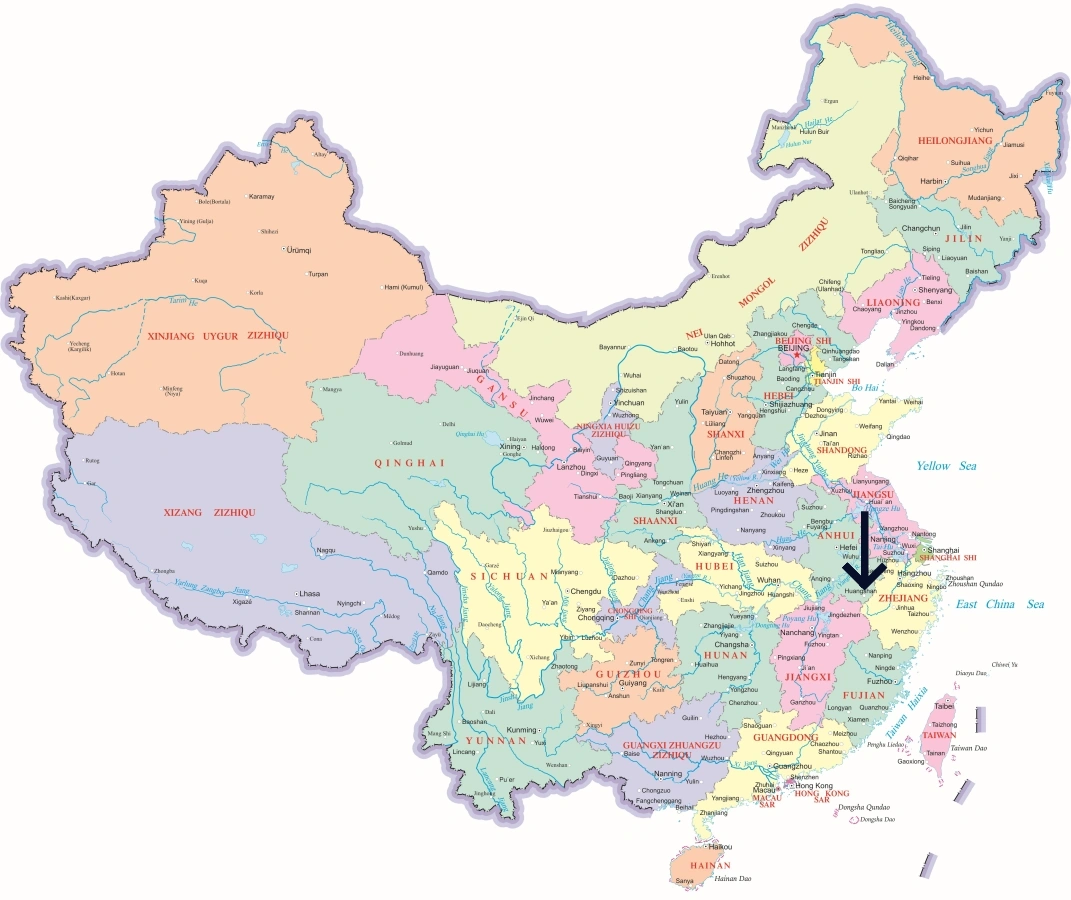
Huangshan City is located in eastern China and belongs to Anhui Province. It sits at the southernmost end of Anhui, near Hangzhou in Zhejiang, Wuyuan in Jiangxi, and Xuancheng and Chizhou in Anhui. The city is connected to other major Chinese cities by air, high-speed rail, and expressways. Thanks to its location and transportation links, Huangshan City also works well as a starting point for nearby destinations such as Wuyuan, Qiandao Lake, Jixi, Qiyun Mountain, and Taiping Lake.

Huangshan location map in China

Huangshan District Map

Huangshan City has several administrative districts and counties, but travelers do not need to understand every one in detail. For most trips, it’s more important to focus on where the main attractions, hotels, restaurants, shopping streets, airport, and railway stations are located.

Key areas for travelers include:

  • Tunxi District: Best for downtown stays, transportation transfers, Tunxi Old Street, food, and airport access.
  • Huangshan District: Best for Huangshan Scenic Area, Tangkou Town, Taiping Lake, and mountain-focused itineraries.
  • Huizhou District: Best for Chengkan, Qiankou Residential Houses, Xixinan, and other Huizhou ancient villages and cultural sites.
  • Shexian County: Best for Huizhou Ancient City, memorial archway complexes, Xin’an River Landscape Gallery, and deeper Huizhou culture trips.
  • Yixian County: Best for Hongcun, Xidi, Nanping, and other famous Huizhou-style ancient villages, especially for photography and slow travel.

Basic Information About Huangshan

Area and Population

Huangshan City covers about 9,678 square kilometers, with a permanent population of about 1.317 million. Because the city includes downtown areas, mountains, ancient villages, townships, and scenic zones, travelers should focus on distances between the city center, major transportation hubs, and popular attractions when planning accommodations and transport.

Approximate populations of the main areas are as follows:

  • Tunxi District: About 291,000 people. This is Huangshan City’s central urban area, with concentrated airport access, old streets, dining, and hotel resources.
  • Huangshan District: About 147,000 people. This is an important area for mountain and lake tourism, including Huangshan Scenic Area, Tangkou Town, and Taiping Lake.
  • Huizhou District: About 96,000 people. This area has a concentration of Huizhou ancient villages and cultural attractions such as Chengkan, Qiankou, and Xixinan.
  • Shexian County: About 363,000 people. This is a major historical and cultural area, home to Huizhou Ancient City, memorial archway groups, and Xin’an River Landscape Gallery.
  • Yixian County: About 76,000 people. This area is home to world-famous Huizhou-style ancient villages such as Hongcun and Xidi, making it ideal for photography and slow travel.

Huangshan City’s postal codes and telephone area code are commonly used for mailing documents, filling in hotel information, food delivery, local contact, and some online forms. Huangshan City’s telephone area code is generally 0559, and its city-level postal code is usually 245000.

If you need an accurate postal code for mailing documents, hotel deliveries, or online shopping, check the specific street or full address rather than relying only on the city-level postal code.

Huangshan Travel Guide FAQ

Is Huangshan City worth visiting?

Yes. Huangshan City is known for Huangshan Scenic Area, Huizhou-style ancient villages, and Huizhou culture, making it ideal for nature lovers, photography travelers, and history and culture enthusiasts. If you are visiting China for the first time or want to experience iconic Chinese mountain scenery, traditional ancient villages, and Huizhou cultural heritage, Huangshan City is definitely worth adding to your itinerary.

Most travelers should plan to spend 3–4 days in Huangshan City. If time is limited, 2 days and 1 night can cover core attractions such as Huangshan Scenic Area or Hongcun. If you want a more relaxed trip with food experiences and nearby day trips, plan for 4–5 days.

Huangshan City is best known for Huangshan Scenic Area, Huizhou-style architecture, Huizhou ancient villages, Anhui cuisine, and Huizhou culture. For travelers, the most iconic experiences usually include hiking Huangshan to see the sea of clouds, visiting Hongcun and Xidi, and exploring Tunxi Old Street for Huizhou food.

The top experiences in Huangshan City include Huangshan Scenic Area, Hongcun, Xidi, Huizhou Ancient City, and food experiences on Tunxi Old Street. For a first visit, prioritize the most representative attractions first, then add neighborhood walks, food experiences, or nearby day trips depending on your schedule.

For first-time visitors, it’s usually most convenient to stay in downtown Huangshan, around Tunxi District, because transportation is easy and major attractions and restaurants are relatively accessible. If you care more about mountain access, ancient village atmosphere, airport convenience, or a quieter environment, consider staying near Huangshan Scenic Area, Hongcun, or Huangshan North Railway Station.

The best time to visit Huangshan City is usually spring and autumn, especially March–May and September–November, when the weather is relatively mild and better for outdoor sightseeing and city walks. Early winter can also be a good choice, while midsummer and the plum rain season may affect travel comfort because of heat, rain, or slippery mountain paths.

The most convenient way to travel within Huangshan City and between attractions is usually a combination of tourist buses, direct scenic shuttles, taxis, and ride-hailing services. Huangshan City’s attractions are spread out, so taxis or ride-hailing cars are useful for airport transfers, train station access, nighttime travel, or carrying large luggage. For suburban or cross-county attractions such as Huangshan Scenic Area, Hongcun, Xidi, and Huizhou Ancient City, you may need to combine tourist buses, public buses, high-speed rail, private cars, or local tours.

When visiting Huangshan City, try Huangshan sesame flatbread, stinky mandarin fish, hairy tofu, and Huizhou wontons. These foods represent the area’s local flavors well. Some are best enjoyed at long-established restaurants, while others are more suited to local neighborhoods, snack streets, ancient villages, or traditional markets.

Huangshan City is generally suitable for first-time visitors to China, especially if you are interested in Chinese mountain scenery, traditional ancient villages, or history and culture. Before departure, prepare payment methods, mobile internet, maps, and translation tools, and confirm whether popular attractions require reservations.

Some popular attractions in Huangshan City may require advance reservations or ticket purchases, especially on weekends, holidays, and during peak travel seasons. Check opening hours, ticket rules, and entry requirements before departure. Major attractions such as Huangshan Scenic Area, Hongcun, Xidi, and Huizhou Ancient City are best confirmed several days in advance.

Good day trips or short trips from Huangshan City include Hongcun and Xidi, Huizhou Ancient City, and Chengkan. For farther destinations, you can also consider Wuyuan, Qiyun Mountain, or Taiping Lake. Confirm travel times in advance and try to choose high-speed rail, direct buses, private cars, or local day tour products when possible.

Travel costs in Huangshan City depend on where you stay, where you eat, how you get around, and which attractions you visit. Staying on the mountain inside the Huangshan Scenic Area, in the core area of Hongcun, or traveling during major holidays is more convenient but usually more expensive. If you are on a tighter budget, consider staying in downtown Huangshan or well-connected non-core areas, and use tourist buses, public transportation, and local restaurants more often. Overall, Huangshan City can work as either a budget-friendly short trip or a more comfortable journey with mountaintop stays, boutique guesthouses, and private transfers.

Official WeChat Mini Program

Copy the official WeChat Mini Program link, then paste it into the WeChat search bar to open it:

1. Copy the Mini Program link

2. Open WeChat and go to the search bar

3. Paste the link and open the Mini Program