
Xiamen Travel Guide

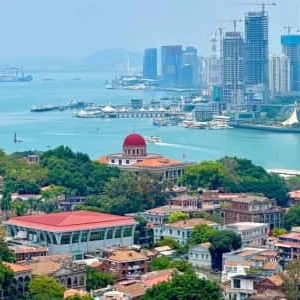
Xiamen is one of China's most distinctive travel destinations for seaside vacations, Minnan culture, and relaxed artsy city trips. It is best known for Gulangyu Island, Nanputuo Temple, and Huandao Road. This guide introduces Xiamen's must-visit attractions, suggested itineraries, best areas to stay, transportation, local food, best time to visit, map information, and practical travel tips to help you plan a smoother trip to Xiamen.

At a Glance

  • Known for: Gulangyu Island, Huandao Road, Nanputuo Temple, Xiamen University, Zhongshan Road Pedestrian Street, and Shapowei
  • Recommended stay: 3–4 days
  • Best time to visit: Spring, March–May, and fall, October–December
  • Local food: Shacha noodles, ginger duck, tusundong, oyster omelet, and siguo soup
  • Best for: Beach vacationers, couples, families, artsy neighborhood lovers, food explorers, and first-time visitors to Fujian

Things to Do in Xiamen

Xiamen's travel experience usually centers on island scenery, Minnan culture, seaside cycling, and old-town food. For a first visit, it is best to start with the city's most iconic attractions and experiences, then add neighborhood walks, museums, food stops, night views, or nearby day trips depending on how much time you have.

Xiamen's most iconic island attraction, known for international-style architecture, seaside lanes, and a slow-paced atmosphere.

A famous Buddhist temple at the foot of Wulao Peak, ideal for experiencing Minnan religious culture and mountain-and-sea scenery.

A beautiful seaside campus connected to Nanputuo Temple, Baicheng Beach, and Shapowei.

Zhongshan Road Pedestrian Street

A long-established commercial street in Xiamen, good for shopping, snacks, and seeing arcade-style architecture.

Xiamen Botanical Garden

Known for its tropical rainforest area, desert plant zone, and hillside walking paths, making it a good spot for photos and light hiking.

Shapowei Art Zone

An artsy district developed from an old harbor neighborhood, now home to cafés, creative shops, and youthful dining spots.

Suggested Xiamen Itinerary

Xiamen itineraries can be planned in several ways depending on your length of stay, from a short highlights trip to a classic route or a deeper city experience. For first-time visitors, it is best to build your core itinerary around Gulangyu Island, the southern part of Xiamen Island, and the old-town area around Zhongshan Road, then add Jimei School Village, Huandao Road cycling, or short trips to nearby Zhangzhou or Quanzhou if time allows.

The following Xiamen itinerary is suitable for first-time visitors. You can adjust the order based on your flight or high-speed rail schedule, hotel location, and interests. During holidays or when popular attractions require advance reservations, it is best to leave more flexibility in your schedule.

4-day, 3-night route

This route covers Xiamen's classic island scenery, temples, old town, local food, coastal roads, and Jimei cultural sights at a relatively relaxed pace. It is ideal for first-time visitors who want a good mix of photography, food, and city walks.

  • Day 1: Botanical Garden → Zhongshan Park → Xinyili → Zhongshan Road
  • Day 2: Qingshui Temple → Sea-view metro ride → Jimei School Village + Dashe → Dragon Boat Pond → Sea-view cycling path
  • Day 3: Gulangyu Island → Eighth Market → Xiaoxue Road → Bay Park
  • Day 4: Huangcuo Beach → Huandao Road → Shangli Reservoir

Where to Stay in Xiamen

For first-time visitors to Xiamen, the area around Zhongshan Road is usually the most recommended place to stay because transportation is convenient, major attractions are easy to reach, and hotel choices are relatively plentiful. If nightlife, food, shopping, a quieter atmosphere, or access to the airport and train stations matters more to you, you can also choose areas such as Gulangyu Island, Huandao Road, or Huli District based on your itinerary.

  • Near Zhongshan Road: Best for first-time visitors, food lovers, and travelers who enjoy walking around the old town. The main advantages are the concentration of restaurants, shopping, and public transportation. It is convenient for reaching the Gulangyu ferry terminals, Eighth Market, Shapowei, and Xiamen Railway Station, making it a good choice if you want to reduce travel time and still be able to eat and explore easily at night.
  • On Gulangyu Island: Best for couples, photography lovers, and travelers who prefer a quiet island atmosphere. The advantage is that you can avoid the busiest daytime crowds and enjoy slower walks in the early morning and evening. It is also convenient for visiting Sunlight Rock, Shuzhuang Garden, and the island's historic buildings. This area is best for travelers who want to experience one night on the island.
  • Near Huandao Road: Best for families, beach vacationers, and travelers who enjoy cycling and sea views. The advantage is easy access to Huangcuo Beach, Zengcuo'an, Baicheng Beach, and coastal walking paths. The environment feels more open and is ideal for travelers who want to focus on seaside relaxation and photography.

How to Get to and Around Xiamen

Most travelers reach Xiamen by plane or high-speed rail. Xiamen is mainly served by Xiamen Gaoqi International Airport for air travel, and it also has major railway stations such as Xiamen Railway Station and Xiamen North Railway Station. If you are coming from a nearby city, high-speed rail is usually the most convenient and predictable option.

From Xiamen Gaoqi International Airport to the city center, you can take the metro, a taxi, a ride-hailing car, or an airport bus. The best choice depends on your arrival time, luggage, hotel location, and budget. Xiamen's main civil aviation airport is currently Xiamen Gaoqi International Airport, so before booking a hotel transfer or pickup service, confirm whether you are arriving at the airport or a railway station. In general, Gaoqi Airport is best for visitors flying into Xiamen, while Xiamen North Railway Station is more suitable for travelers arriving by high-speed rail from cities such as Fuzhou, Quanzhou, Shenzhen, Guangzhou, and Shanghai.

Xiamen has multiple railway stations, and different stations may serve different high-speed rail or regular train routes. Before buying tickets, check your departure and arrival stations carefully. Xiamen Railway Station is located on Xiamen Island and is relatively convenient for Zhongshan Road, Xiamen University, and Huandao Road. Xiamen North Railway Station is in Jimei District, farther from the core island attractions, but it offers more high-speed rail services.

For sightseeing within Xiamen, the metro is usually the most convenient and reliable way to get around. Taxis and ride-hailing cars are useful for nighttime travel, large luggage, or places not directly served by the metro. If you plan to visit suburban attractions or take a day trip, you can choose trains, buses, private transfers, pickup services, or local tours depending on your destination.

What to Eat in Xiamen

Xiamen is a great place to try Minnan flavors, seafood snacks, and old-town street food. From classic local dishes and street snacks to neighborhood restaurants, the city has a very distinctive food scene. First-time visitors should start with signature dishes such as shacha noodles, ginger duck, and tusundong. Some foods are easy to find near popular attractions and commercial areas, while others are better experienced in local neighborhoods, long-established restaurants, or traditional markets.

Shacha noodles

A signature Xiamen noodle dish made with a savory shacha broth and toppings such as seafood, meat, and tofu products.

Ginger duck

A rich, aromatic dish made by slow-cooking duck with aged ginger, especially good in fall, winter, or for dinner.
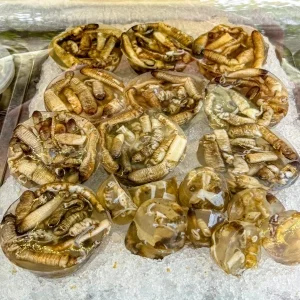
Tusundong

A Minnan-style chilled jelly appetizer with a refreshing, springy texture, usually served with dipping sauce.

Oyster omelet

A common Xiamen snack made with oysters, egg, and starch.

Grass jelly dessert

A cooling sweet dessert with a smooth texture, good in summer or after a heavy meal.

Siguo soup

A common Xiamen summer sweet soup that can include fruit, beans, grass jelly, and shaved ice.

Best Time to Visit Xiamen

The best time to visit Xiamen is usually spring, from March to May, and fall, from October to December. During these periods, the weather is mild and humidity is relatively comfortable, making it better for outdoor sightseeing and city walks. Winter can also be a good option, while summer may feel less comfortable due to heat, humidity, typhoon season, and heavy rainfall.

  • January: Average temperatures are around 10°C–17°C. The weather is cool, with occasional cloudy or rainy days. It is suitable for temple visits, old-town walks, and seaside strolls, but mornings and evenings can be windy, so bring a jacket.
  • February: Average temperatures are around 10°C–17°C. The weather is still cool and relatively humid. It is suitable for a slower-paced city trip, but pay attention to Spring Festival crowds and hotel prices.
  • March: Average temperatures are around 12°C–19°C. The weather gradually warms up and rainfall increases. It is good for the Botanical Garden, Nanputuo Temple, and neighborhood walks, but bring rain gear.
  • April: Average temperatures are around 16°C–23°C. The weather is mild and humid. It is suitable for Gulangyu Island, Huandao Road, and outdoor photography, but watch for showers and damp weather.
  • May: Average temperatures are around 20°C–27°C. The weather becomes warmer and rainier. It is good for seaside and city sightseeing, but prepare for sun protection, mosquitoes, and rain.
  • June: Average temperatures are around 24°C–30°C. The weather is hot and humid. It is best to combine seaside relaxation with indoor attractions, while avoiding the hottest afternoon hours and watching for rain.
  • July: Average temperatures are around 25°C–33°C. The weather is hot, and this is one of Xiamen's warmer months. It is suitable for seeing the sea in the early morning or evening, but sun protection, hydration, and typhoon alerts are important.
  • August: Average temperatures are around 25°C–32°C. The weather is hot and humid, with possible typhoon impacts. It is suitable for beach vacations and evening activities, but keep an eye on weather warnings and leave flexibility in your plans.
  • September: Average temperatures are around 24°C–30°C. The weather is still fairly hot, and typhoons and rainfall remain possible. It can be a good time for off-peak travel, but pay attention to waves, wind, and sudden weather changes near the coast.
  • October: Average temperatures are around 20°C–27°C. The weather becomes more comfortable and the air feels fresher. It is good for cycling along Huandao Road, visiting Gulangyu Island, and walking around the city, but book hotels early during holidays.
  • November: Average temperatures are around 15°C–23°C. The weather is cool and comfortable, making it one of the best months to visit Xiamen. It is ideal for outdoor sightseeing and food exploration, though a light jacket may be useful in the morning and evening.
  • December: Average temperatures are around 11°C–18°C. The weather is crisp and relatively dry. It is suitable for an easy city trip and seaside walks, but pay attention to sea breezes and the temperature difference between day and night.

Essential Xiamen Travel Tips

Before traveling to Xiamen, it is helpful to plan a few practical details in advance, including reservations for popular attractions, payment methods, mobile internet, transportation apps, and clothing suitable for the season. Some popular attractions may require advance reservations or tickets, and some services may work differently from what overseas visitors are used to.

  • Attraction reservations: Popular attractions in Xiamen, such as Gulangyu ferry tickets, Xiamen University, and Xiamen Botanical Garden, may require advance reservations during holidays and peak seasons. Check opening hours and ticket rules before departure.
  • Payment methods: Mobile payment is widely used in mainland China. Prepare a usable payment method in advance, and keep a small amount of backup cash or a bank card.
  • Mobile internet: If you need maps, translation, ride-hailing, and ticket-booking services, prepare an eSIM, SIM card, or another stable internet option in advance.
  • Transportation apps: Map, metro, ride-hailing, and translation apps are very useful when traveling in Xiamen, especially when transferring between trains, airport transport, or suburban attractions.
  • Travel timing: Morning and evening rush hours, as well as holidays, can be crowded. It is best to visit popular attractions in the morning and leave extra time for moving across different parts of the city.
  • Packing and clothing: Xiamen's temperature differences and weather changes can be noticeable depending on the season. In summer, prepare for sun and rain; in winter, watch for sea breezes. Comfortable walking shoes are recommended year-round.

Xiamen Maps

Understanding Xiamen's city layout can make itinerary planning easier. This section briefly introduces where Xiamen is located in China and how its main administrative districts are generally distributed. For travelers, the most important areas are usually the city center, major transportation hubs, and the urban or suburban areas connected to popular attractions.

Where is Xiamen in China?

Xiamen is located on China's southeastern coast and belongs to Fujian Province. It is close to Quanzhou, Zhangzhou, and Kinmen, and is connected with other major Chinese cities by air, high-speed rail, and expressways. Thanks to its location and convenient transportation, Xiamen also works well as a starting point for trips to nearby destinations such as Quanzhou, Zhangzhou, Fujian tulou buildings, and other coastal cities in Fujian.

Xiamen location map in China

Xiamen District Map

Xiamen is divided into several administrative districts, but travelers do not need to understand every district in detail. For most itineraries, it is more important to focus on the areas where major attractions, hotels, restaurants, shopping streets, the airport, and railway stations are located.

The areas travelers should pay more attention to include:

  • Siming District: Best for first-time visitors to Xiamen, staying in the city center, and visiting Gulangyu Island, Zhongshan Road, Xiamen University, and Huandao Road.
  • Huli District: Good for travelers who need to stay near the airport, Wuyuan Bay, business districts, or newer hotel areas.
  • Jimei District: Useful for travelers arriving at Xiamen North Railway Station and visiting Jimei School Village, Dragon Boat Pond, and Tan Kah Kee-style architecture.
  • Haicang District: Good for bay views, Haicang Bay Park, or a quieter stay.
  • Tong'an District: Suitable for Fantawild, northern ecological attractions, family trips, hot springs, and suburban itineraries.
  • Xiang'an District: Useful for trips to the eastern new city area, coastal new districts, or short routes toward Quanzhou.
Xiamen district map

Basic Information About Xiamen

Area and Population

Xiamen has a total area of about 1,700 square kilometers and a permanent resident population of about 5.35 million. Because the city includes central urban areas, suburbs, and some island areas, travelers should focus on the distances between the city center, major transport hubs, and popular attractions when planning where to stay and how to get around.

The approximate population of the main administrative districts is as follows:

  • Siming District: About 1.07 million people. It is one of Xiamen's traditional city-center areas and has one of the highest concentrations of major tourist attractions.
  • Huli District: About 1 million people. It is home to the airport, Wuyuan Bay, and many modern business and lifestyle areas.
  • Jimei District: About 1.1 million people. It is an important area for Xiamen North Railway Station, Jimei School Village, and newer residential communities outside the island.
  • Haicang District: About 600,000 people. It is an important bay area connecting Xiamen Island with the direction of Zhangzhou.
  • Tong'an District: About 900,000 people. It is a large northern district with both old-town areas and suburban leisure resources.
  • Xiang'an District: About 600,000 people. It is a fast-developing new district and coastal area in eastern Xiamen.

Xiamen's postal code and telephone area code are usually used for mailing documents, filling in hotel information, food delivery, local contact details, and some online forms. Xiamen's telephone area code is generally 0592, and its general postal code is 361000.

If you need an accurate postal code for mailing documents, receiving items at a hotel, or online shopping, it is best to look it up based on the specific street or full address instead of using only the city-level postal code.

Xiamen Travel Guide FAQ

Is Xiamen worth visiting?

Yes. Xiamen is known for Gulangyu Island, Huandao Road, and Minnan seaside culture. It is a good choice for beach vacationers, couples, and food lovers. If it is your first time in China, or if you want to experience island slow living, Minnan culture, and an easygoing city trip, Xiamen is usually well worth adding to your itinerary.

In general, 3–4 days are recommended for Xiamen. If your time is limited, 2 days are enough to see the core attractions. If you want a more relaxed experience with local food and nearby day trips, 4–5 days would be better.

Xiamen is mainly known for Gulangyu Island, coastal scenery, Minnan culture, and old-town food. For travelers, the most iconic experiences usually include visiting Gulangyu Island, cycling or walking along Huandao Road, and trying Xiamen snacks around Eighth Market and Zhongshan Road.

The best things to experience in Xiamen include Gulangyu Island, Nanputuo Temple, the area around Xiamen University, Huandao Road, Xiamen Botanical Garden, and old-town food. For a first visit, it is best to start with the most representative sights, then add neighborhood walks, food experiences, or nearby day trips depending on your schedule.

For a first visit to Xiamen, staying near Zhongshan Road is usually the most convenient because transportation is easy and major attractions and restaurants are relatively close. If you care more about nightlife, shopping, airport access, or a quieter environment, you can also consider staying on Gulangyu Island, near Huandao Road, or in Huli District.

The best time to visit Xiamen is usually spring, from March to May, and fall, from October to December. During these months, the weather is mild and suitable for walking and enjoying the sea, making outdoor sightseeing and city walks more comfortable. Winter can also be considered, but summer heat, humidity, typhoons, and heavy rain may affect travel comfort.

The most convenient way to get around Xiamen is usually a combination of metro and ride-hailing. The metro works well for travel between the airport, railway stations, Jimei, and major areas on Xiamen Island. If you need to reach the beach, travel at night, or carry large luggage, taxis or ride-hailing cars are useful. For suburban attractions, you may need to combine metro, buses, high-speed rail, private transfers, or local tours.

When visiting Xiamen, try shacha noodles, ginger duck, tusundong, and oyster omelet. These foods represent local flavors well. Some are best enjoyed in long-established restaurants, while others are better experienced in local neighborhoods, snack streets, or traditional markets.

Xiamen is usually a good choice for first-time visitors to China, especially if you are interested in coastal cities, relaxed travel, or local food. Before departure, prepare payment methods, mobile internet, maps, and translation tools, and check whether popular attractions require reservations.

Some popular attractions in Xiamen may require advance reservations or tickets, especially on weekends, public holidays, and during peak travel seasons. For Gulangyu ferry tickets, Xiamen University visits, and Xiamen Botanical Garden, it is best to check opening hours, ticket rules, and entry requirements before departure. For popular sights, confirm the details several days in advance whenever possible.

Good day trips or short trips from Xiamen include Quanzhou, Zhangzhou, and the Fujian tulou buildings. If the destination is farther away, check transportation time in advance and consider using high-speed rail, direct buses, private transfers, or local day tour products.

The cost of traveling in Xiamen depends on your hotel location, restaurant choices, transportation, and attraction tickets. In general, staying in popular areas such as Zhongshan Road, Gulangyu Island, or Huandao Road is more convenient but more expensive. If you are on a budget, you can choose a non-core area with good transport access and use the metro, buses, and local restaurants more often. Overall, Xiamen works well for both mid- to high-end vacations and budget-conscious trips with careful planning.

Official WeChat Mini Program

Copy the official WeChat Mini Program link, then paste it into the WeChat search bar to open it:

1. Copy the Mini Program link

2. Open WeChat and go to the search bar

3. Paste the link and open the Mini Program