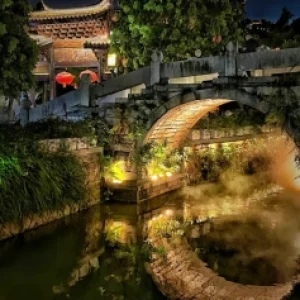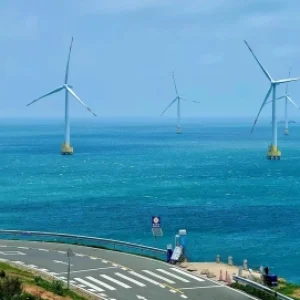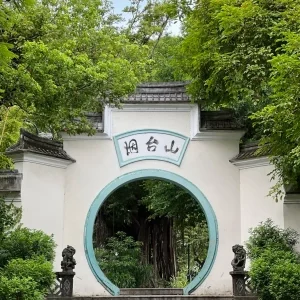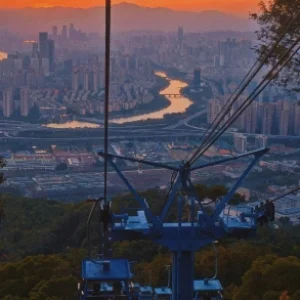
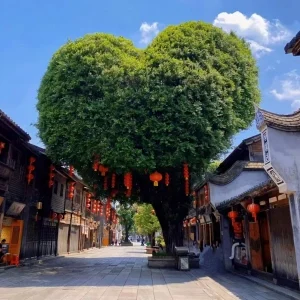
Fuzhou is one of China's most distinctive travel destinations for Mindu culture, hot spring leisure, and historic city scenery surrounded by mountains and rivers. It is best known for Three Lanes and Seven Alleys, Gushan Mountain, and the Shangxiahang Historic and Cultural District. This guide introduces Fuzhou's must-visit attractions, suggested itineraries, best areas to stay, transportation, local food, best time to visit, map information, and practical travel tips to help you plan a smoother trip to Fuzhou.
Fuzhou's travel experience usually centers on Mindu old-city culture, historic neighborhoods, mountain-and-river leisure, and local snacks. For a first visit, it is best to start with the city's most iconic attractions and experiences, then add neighborhood walks, museums, food stops, night views, or nearby day trips depending on how much time you have.
Fuzhou itineraries can be planned in several ways depending on your length of stay, from a short highlights trip to a classic route or a deeper city experience. For first-time visitors, it is best to build your core itinerary around Three Lanes and Seven Alleys, Yantai Mountain, and Shangxiahang Historic and Cultural District, then add a Gushan hike, a walk along Fudao, or a day trip to Pingtan Island if time allows.
The following Fuzhou itineraries are suitable for first-time visitors. You can adjust the order based on your flight or high-speed rail schedule, hotel location, and interests. During holidays or when popular attractions require advance reservations, it is best to leave more flexibility in your schedule.
This route is suitable for travelers with limited time. It covers Fuzhou's old city, museums, historic neighborhoods, riverside scenery, and mountain views in a short but content-rich itinerary.
This route has a more relaxed pace and is suitable for first-time visitors who want to slowly experience Fuzhou's old neighborhoods, creative spaces, mountain-and-river scenery, and local lifestyle.
For first-time visitors to Fuzhou, the area around Dongjiekou Metro Station is usually the most recommended place to stay because transportation is convenient, major attractions are easy to reach, and hotel choices are relatively plentiful. If nightlife, food, shopping, a quieter atmosphere, or access to the airport and train stations matters more to you, you can also choose areas such as Yantai Mountain, Shangxiahang, or Pingtan Island based on your itinerary.
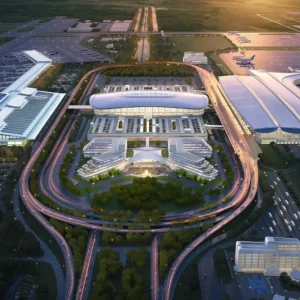
Most travelers reach Fuzhou by plane or high-speed rail. Fuzhou is mainly served by Fuzhou Changle International Airport for air travel, and it also has major railway stations such as Fuzhou Railway Station and Fuzhou South Railway Station. If you are coming from a nearby city, high-speed rail is usually the most convenient and predictable option.
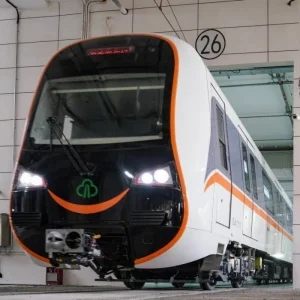
From Fuzhou Changle International Airport to the city center, you can take the airport express line, a taxi, a ride-hailing car, or an airport bus. The best choice depends on your arrival time, luggage, hotel location, and budget. Fuzhou's main civil aviation airport is currently Fuzhou Changle International Airport, so before booking a hotel transfer or pickup service, confirm whether you are arriving at the airport or a railway station. In general, Fuzhou Changle International Airport is best for visitors flying into Fuzhou, while Fuzhou Railway Station and Fuzhou South Railway Station are more suitable for travelers arriving by high-speed rail from cities such as Xiamen, Quanzhou, Hangzhou, Shanghai, and Shenzhen.
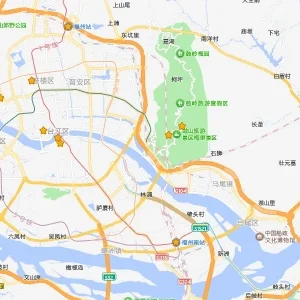
Fuzhou has multiple railway stations, and different stations may serve different high-speed rail or regular train routes. Before buying tickets, check your departure and arrival stations carefully. Fuzhou Railway Station is located in the northern part of the urban area and is relatively convenient for Three Lanes and Seven Alleys, Dongjiekou, and West Lake Park. Fuzhou South Railway Station is located in Cangshan District and is relatively convenient for Yantai Mountain, Shangxiahang, and some southern parts of the city.
For sightseeing within Fuzhou, the metro is usually the most convenient and reliable way to get around. Taxis and ride-hailing cars are useful for nighttime travel, large luggage, or places not directly served by the metro. If you plan to visit suburban attractions or take a day trip, you can choose trains, buses, private transfers, pickup services, or local tours depending on your destination.
Fuzhou is a great place to try Fujian cuisine, Fuzhou snacks, and traditional desserts. From classic local dishes and street snacks to neighborhood restaurants, the city has a very distinctive food scene. First-time visitors should start with signature foods such as rouyan, taro paste, and oyster cakes. Some foods are easy to find near popular attractions and commercial areas, while others are better experienced in local neighborhoods, long-established restaurants, or traditional markets.

A signature Fuzhou snack with a thin yet slightly chewy wrapper and savory filling, often served in soup.

A traditional Fuzhou dessert with a smooth, sweet, and fragrant texture, often served at banquets.

A traditional Fuzhou rice-based snack with a soft, sticky texture, commonly found in local snack shops and traditional markets.

A local Fuzhou-style snack with a soft, chewy, and savory texture, suitable for travelers who enjoy traditional street food.

A sweet glutinous rice dessert often served with red bean paste, preserved fruit, and nuts, good after a meal.

A crispy and fragrant Fuzhou snack, usually deep-fried with oysters, minced meat, and rice batter.
The best time to visit Fuzhou is usually spring, from March to May, and fall, from October to December. During these periods, the weather is mild, humid, or relatively fresh, making it better for outdoor sightseeing and city walks. Winter can also be a good option, while summer may feel less comfortable due to heat, humidity, typhoons, and heavy rainfall.
Before traveling to Fuzhou, it is helpful to plan a few practical details in advance, including reservations for popular attractions, payment methods, mobile internet, transportation apps, and clothing suitable for the season. Some popular attractions may require advance reservations or tickets, and some services may work differently from what overseas visitors are used to.
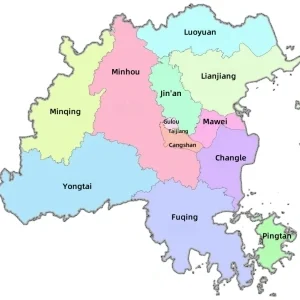
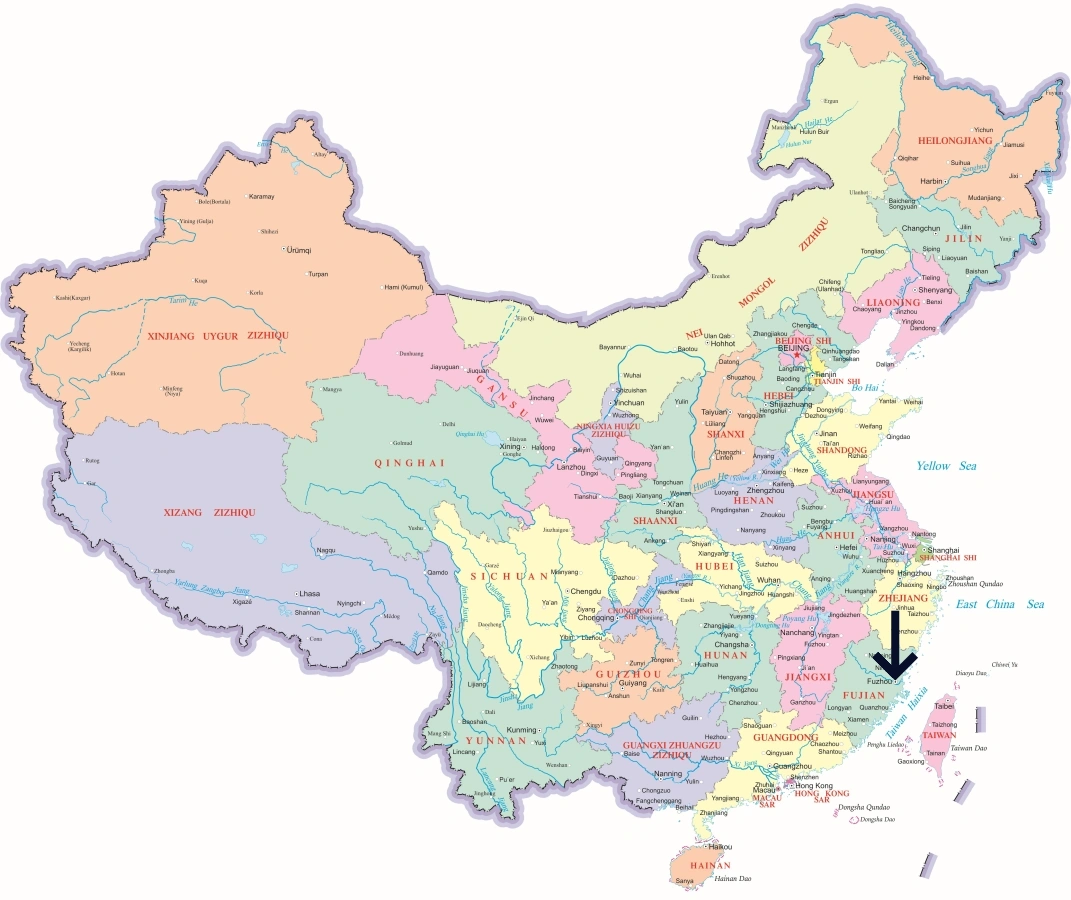
Understanding Fuzhou's city layout can make itinerary planning easier. This section briefly introduces where Fuzhou is located in China and how its main administrative districts are generally distributed. For travelers, the most important areas are usually the city center, major transportation hubs, and the urban or suburban areas connected to popular attractions.
Fuzhou is located on China's southeastern coast and belongs to Fujian Province. It is close to Ningde, Putian, Quanzhou, and the Pingtan sea area, and is connected with other major Chinese cities by air, high-speed rail, and expressways. Thanks to its location and convenient transportation, Fuzhou also works well as a starting point for trips to Pingtan Island, the Lianjiang coast, Quanzhou, and other coastal destinations in Fujian.
Fuzhou is divided into several administrative districts, but travelers do not need to understand every district in detail. For most itineraries, it is more important to focus on the areas where major attractions, hotels, restaurants, shopping streets, the airport, and railway stations are located.
The areas travelers should pay more attention to include:
Fuzhou has a total area of about 12,000 square kilometers and a permanent resident population of about 8.5 million. Because the city includes central urban areas, suburbs, county-level cities, and some island areas, travelers should focus on the distances between the city center, major transport hubs, and popular attractions when planning where to stay and how to get around.
The approximate population of the main administrative districts is as follows:
Fuzhou's postal code and telephone area code are usually used for mailing documents, filling in hotel information, food delivery, local contact details, and some online forms. Fuzhou's telephone area code is generally 0591, and its general postal code is 350000.
If you need an accurate postal code for mailing documents, receiving items at a hotel, or online shopping, it is best to look it up based on the specific street or full address instead of using only the city-level postal code.
Yes. Fuzhou is known for Three Lanes and Seven Alleys, Gushan Mountain, and the Shangxiahang Historic and Cultural District. It is a good choice for history and culture travelers, food lovers, and travelers who enjoy slow-paced city trips. If it is your first time in China, or if you want to experience Mindu culture, Fuzhou snacks, and the atmosphere of a coastal Fujian city, Fuzhou is usually well worth adding to your itinerary.
In general, 2–3 days are recommended for Fuzhou. If your time is limited, 1–2 days are enough to visit core attractions such as Three Lanes and Seven Alleys, Yantai Mountain, and Shangxiahang. If you want a more relaxed experience with local food, Gushan Mountain, or a short trip to Pingtan Island, 3–4 days would be better.
Fuzhou is mainly known for Mindu culture, Three Lanes and Seven Alleys, hot spring resources, and Fuzhou snacks. For travelers, the most iconic experiences usually include walking through Three Lanes and Seven Alleys, visiting Yantai Mountain and Shangxiahang, and trying local foods such as rouyan, fish balls, taro paste, and oyster cakes.
The best things to experience in Fuzhou include Three Lanes and Seven Alleys, Shangxiahang Historic and Cultural District, Yantai Mountain, Gushan Mountain, and a short trip to Pingtan Island. For a first visit, it is best to start with the most representative sights, then add neighborhood walks, food experiences, or nearby day trips depending on your schedule.
For a first visit to Fuzhou, staying near Dongjiekou Metro Station is usually recommended because transportation is convenient and major attractions and restaurants are relatively easy to reach. If you care more about nightlife, shopping, airport transportation, or a quieter environment, you can also consider areas near Yantai Mountain, Shangxiahang, or Pingtan Island.
The best time to visit Fuzhou is usually spring, from March to May, and fall, from October to December. During these months, the weather is mild or relatively fresh, making it better for outdoor sightseeing and city walks. Winter can also be considered, but summer heat, humidity, typhoons, and heavy rain may affect travel comfort.
The most convenient way to get around Fuzhou is usually a combination of metro and ride-hailing. The metro works well for travel between the city center, railway stations, Yantai Mountain, Shangxiahang, and major urban areas. If you need to reach the airport, Gushan Mountain, travel at night, or carry large luggage, taxis or ride-hailing cars are useful. For nearby attractions such as Pingtan Island and the Lianjiang coast, you may need to combine high-speed rail, buses, private transfers, or local tours.
When visiting Fuzhou, try rouyan, taro paste, mi shi, and oyster cakes. These foods represent local flavors well. Some are best enjoyed in long-established restaurants, while others are better experienced in local neighborhoods, snack streets, or traditional markets.
Fuzhou is usually a good choice for first-time visitors to China, especially if you are interested in historic neighborhoods, local food, or slow-paced city travel. Before departure, prepare payment methods, mobile internet, maps, and translation tools, and check whether popular attractions require reservations.
Some popular attractions in Fuzhou may require advance reservations or tickets, especially on weekends, public holidays, and during peak travel seasons. For Fujian Museum, Fuzhou Panda World, some exhibition halls, and popular cultural activities, it is best to check opening hours, ticket rules, and entry requirements before departure. For popular sights, confirm the details several days in advance whenever possible.
Good day trips or short trips from Fuzhou include Pingtan Island, Qida Village in Lianjiang, and Quanzhou. If the destination is farther away, check transportation time in advance and consider using high-speed rail, direct buses, private transfers, or local day tour products.
The cost of traveling in Fuzhou depends on your hotel location, restaurant choices, transportation, and attraction tickets. In general, staying near Dongjiekou, Three Lanes and Seven Alleys, Yantai Mountain, or Shangxiahang is more convenient but usually costs more. If you are on a budget, you can choose a non-core area with good transport access and use the metro, buses, and local restaurants more often. Overall, city travel in Fuzhou is relatively manageable, but your budget will increase if you add Pingtan Island accommodation, private transfers, or island itineraries.
Explore detailed travel guides for China's most popular cities, covering attractions, local food, accommodations, and transportation tips.
Official WeChat Mini Program
Copy the official WeChat Mini Program link, then paste it into the WeChat search bar to open it:
1. Copy the Mini Program link
2. Open WeChat and go to the search bar
3. Paste the link and open the Mini Program
English (US)