

Guiyang Travel Guide

Guiyang is one of China’s most distinctive mountain summer destinations, known for its cool climate, Guizhou-style food, and mountain-city cultural scenery. This guide covers Guiyang’s top attractions, recommended itineraries, best areas to stay, transportation options, local food, best time to visit, map information, and practical travel tips to help you plan a smoother trip to Guiyang.

At a Glance

  • Known for: Qingyan Ancient Town, Jiaxiu Tower, Qianling Mountain Park, Guizhou Provincial Museum, Guiyang specialty night markets
  • Recommended stay: 2–3 days
  • Best time to visit: April–June and September–November
  • Local food: Changwang noodles, beef rice noodles, sticky rice, Guizhou griddle barbecue, siwawa vegetable rolls
  • Best for: Summer escapes, food exploration, city culture trips, and travelers using Guiyang as a gateway for deeper Guizhou travel

Things to Do in Guiyang

Guiyang’s travel experience usually centers on mountain-city scenery, historical landmarks, Guizhou ethnic culture, and distinctive food night markets. For a first visit, it’s best to prioritize the city’s most iconic attractions and experiences, then add neighborhood walks, museums, food stops, night views, or nearby day trips depending on your length of stay.

Qingyan Ancient Town

One of Guizhou’s best-preserved Ming and Qing dynasty towns, known for its old architecture and stone-paved streets.

Qianling Mountain Park

A natural oxygen bar in the city, good for hiking, views, Hongfu Temple, and seeing monkeys.

Jiaxiu Tower

A landmark of Guiyang, especially beautiful at night.
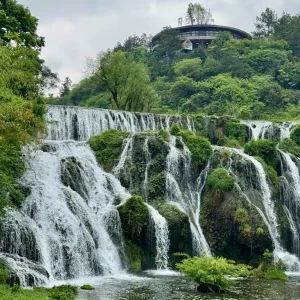
Tianhetan

A suburban scenic area combining waterfalls, caves, and canyon landscapes.

Yelang Valley

An artistic stone castle area, great for photos and creative sightseeing.

Guizhou Provincial Museum

An important place to learn about Guizhou’s history, ethnic cultures, and natural environment.
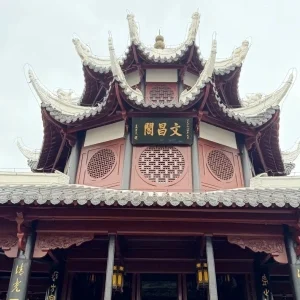
Wenchang Pavilion

One of the representative historic buildings in Guiyang’s old city.
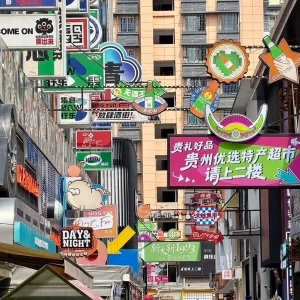
Qingyun Market

A popular Guiyang night market and gathering place for food and nightlife.
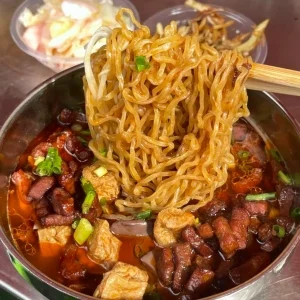
Suggested Guiyang Itinerary

Guiyang itineraries can be planned as quick highlights trips, classic sightseeing routes, or deeper experiences depending on how long you stay. If it’s your first visit, it’s recommended to build your core itinerary around Qingyan Ancient Town, Jiaxiu Tower, Qianling Mountain Park, and Guizhou Provincial Museum, then add Yelang Valley, Tianhetan, or a day trip around Huaxi if time allows.

The following Guiyang itineraries are suitable for first-time visitors. You can adjust the order based on your flight or high-speed rail schedule, hotel location, and interests. During holidays or when popular attractions require reservations, leave extra buffer time.

2 Days / 1 Night Itinerary

Recommended for: Weekend travelers who want a quick taste of Guiyang’s ancient town culture, city landmarks, and distinctive night views.

  • Day 1: Qianling Mountain Park → Catholic Church → Minsheng Road → Dongshan Temple → Jiaxiu Tower
  • Day 2: Qingyan Ancient Town → Daxingguo Temple → Yelang Ancient Kingdom → Qingyun Market → White House

3 Days / 2 Nights Itinerary

Recommended for: First-time visitors who want a deeper Guiyang experience, including history, city scenery, food night markets, and modern urban districts.

  • Day 1: Penshuichi → Qingyan Ancient Town → Huaxi Yelang Valley → Qingyun Market → Twin Towers → White House
  • Day 2: Qianling Mountain Park → Hongfu Temple → Catholic Church → Dongshan Temple → Cuiwei Garden → Jiaxiu Tower
  • Day 3: Guanshanhu Park → Xiputuo Temple → Guizhou Provincial Museum → Wenchang Pavilion → Minsheng Road → Guiyang North Railway Station

Where to Stay in Guiyang

For first-time visitors to Guiyang, the most recommended area to stay is usually around Penshuichi Metro Station, because transportation is convenient, major attractions are easy to reach, and hotel options are relatively abundant. If you care more about nightlife, food, shopping, a quieter environment, or airport/train station access, you can also choose areas near Jiaxiu Tower, Guanshanhu Park, or Guiyang North Railway Station based on your itinerary.

  • Around Penshuichi Metro Station: Best for first-time visitors to Guiyang. Located in the city center, this area has good metro access and is convenient for Jiaxiu Tower, Qianling Mountain Park, and Minsheng Road food street, making it ideal for short trips and food-focused travel.
  • Around Jiaxiu Tower: Best for travelers who enjoy old-city atmosphere and night views. This area is close to the Nanming River, Jiaxiu Tower, and Qingyun Market, making it good for evening walks and photography.
  • Around Guanshanhu Park: Best for business travelers, families, and visitors who prefer a quieter environment. Hotels here are generally higher quality, the surroundings are cleaner and more orderly, and the area is close to Guizhou Provincial Museum and Guiyang North Railway Station.

How to Get to and Around Guiyang

Most travelers reach Guiyang by plane or high-speed rail. The city is mainly served by Guiyang Longdongbao International Airport, as well as major railway stations such as Guiyang North Railway Station, Guiyang East Railway Station, and Guiyang Railway Station. If you are traveling from nearby cities, high-speed rail is usually the most convenient and predictable option.

From Guiyang Longdongbao International Airport to the city center, you can take Metro Line 2, an airport bus, a taxi, or a ride-hailing car. The best option depends on your arrival time, luggage, hotel location, and budget.

Guiyang has multiple railway stations, and different stations serve different high-speed rail routes. Before booking tickets, carefully confirm your departure and arrival stations, as travel times between Guiyang North, Guiyang East, and Guiyang Railway Station can vary significantly.

When sightseeing in Guiyang, the metro is usually the most convenient and reliable way to get around. Taxis and ride-hailing cars are useful for nighttime travel, large luggage, or destinations not directly served by metro. If you plan to visit suburban attractions such as Qingyan Ancient Town or Tianhetan, you can combine buses, scenic shuttles, private cars, or day tour products.

What to Eat in Guiyang

Guiyang is an excellent city for trying Guizhou’s sour and spicy flavors, with classic local dishes, street snacks, and local restaurants all offering distinctive tastes. First-time visitors should prioritize signature foods such as changwang noodles, beef rice noodles, and sticky rice. Some dishes are easy to find near popular attractions and commercial areas, while others are best experienced in local neighborhoods, long-established restaurants, or traditional markets.

Changwang Noodles

One of Guiyang’s most iconic noodle dishes, known for its rich broth and layered textures.
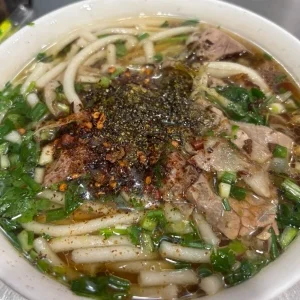
Beef Rice Noodles

A classic Guizhou breakfast, featuring fragrant beef and smooth rice noodles.

Sticky Rice

A local breakfast favorite, often served with crispy pork cracklings, pickled radish, and chili.
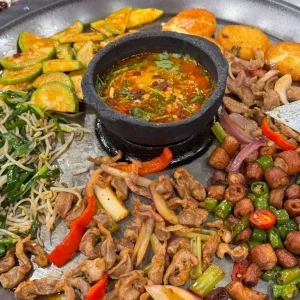
Guizhou Griddle Barbecue

A Guizhou-style grilling experience where different meats and vegetables are cooked on a hot griddle.

Crispy Duck

Crispy on the outside and tender inside, with a rich aroma.

Fried Potatoes

A popular Guizhou street snack, spicy, savory, and very appetizing.
Best Time to Visit Guiyang

The best time to visit Guiyang is usually spring and autumn, especially April–June and September–November. During these months, the weather is cool and comfortable, rainfall is relatively moderate, and the air feels fresh, making it better for outdoor sightseeing and city walks. Summer, especially July and August, can also be a good choice because Guiyang is one of China’s best-known summer retreat cities. Winter, from December to February, may feel less comfortable because of damp cold weather and limited sunshine.

  • January: Average temperatures are around 36°F–46°F (2°C–8°C). Cloudy, cold, and damp. Good for museums and food experiences, but warm clothing is needed.
  • February: Average temperatures are around 39°F–50°F (4°C–10°C). The weather gradually warms up. Good for city walks, but watch for rainy days.
  • March: Average temperatures are around 46°F–59°F (8°C–15°C). Comfortable weather. Good for parks and ancient towns, but bring rain gear.
  • April: Average temperatures are around 54°F–68°F (12°C–20°C). Spring is in full swing. Good for Qingyan Ancient Town and Qianling Mountain Park.
  • May: Average temperatures are around 61°F–75°F (16°C–24°C). Pleasant weather, ideal for outdoor sightseeing and photography.
  • June: Average temperatures are around 66°F–79°F (19°C–26°C). The rainy season begins. Good for summer travel, but bring rain gear.
  • July: Average temperatures are around 70°F–82°F (21°C–28°C). Cool and comfortable for summer. Good for escaping the heat and enjoying night markets.
  • August: Average temperatures are around 68°F–81°F (20°C–27°C). Comfortable overall, suitable for longer outdoor activities.
  • September: Average temperatures are around 64°F–77°F (18°C–25°C). Clearer weather, good for photography and city walks.
  • October: Average temperatures are around 55°F–70°F (13°C–21°C). Crisp autumn weather, ideal for ancient towns and parks.
  • November: Average temperatures are around 46°F–61°F (8°C–16°C). Cooler weather, suitable for cultural attractions and food trips.
  • December: Average temperatures are around 39°F–52°F (4°C–11°C). Damp and cold. Good for relaxed city trips, but dress warmly.

Essential Guiyang Travel Tips

Before traveling to Guiyang, it’s a good idea to plan several practical details in advance, including attraction reservations, payment methods, mobile internet, transportation apps, and weather-appropriate packing.

  • Attraction Reservations: Popular attractions in Guiyang, such as Guizhou Provincial Museum and Tianhetan, may require advance reservations during holidays and peak seasons.
  • Payment Methods: Mobile payment is widely used in mainland China, so it’s recommended to set up Alipay or WeChat Pay in advance.
  • Mobile Internet: Prepare an eSIM, SIM card, or another stable mobile data service in advance.
  • Transportation Apps: Amap, Didi, and Railway 12306 are especially useful.
  • Travel Timing: Popular attractions can be crowded on weekends and holidays, so it’s best to start early.
  • Packing and Clothing: Guiyang’s weather can change quickly, so bring a light jacket and comfortable walking shoes.

Guiyang Maps

Understanding Guiyang’s city layout can make trip planning much easier. This section briefly explains where Guiyang is located in China and how its main districts are generally distributed. For travelers, the most important areas are usually the city center, major transportation hubs, and the urban or suburban areas connected to popular attractions.

Where is Guiyang in China?

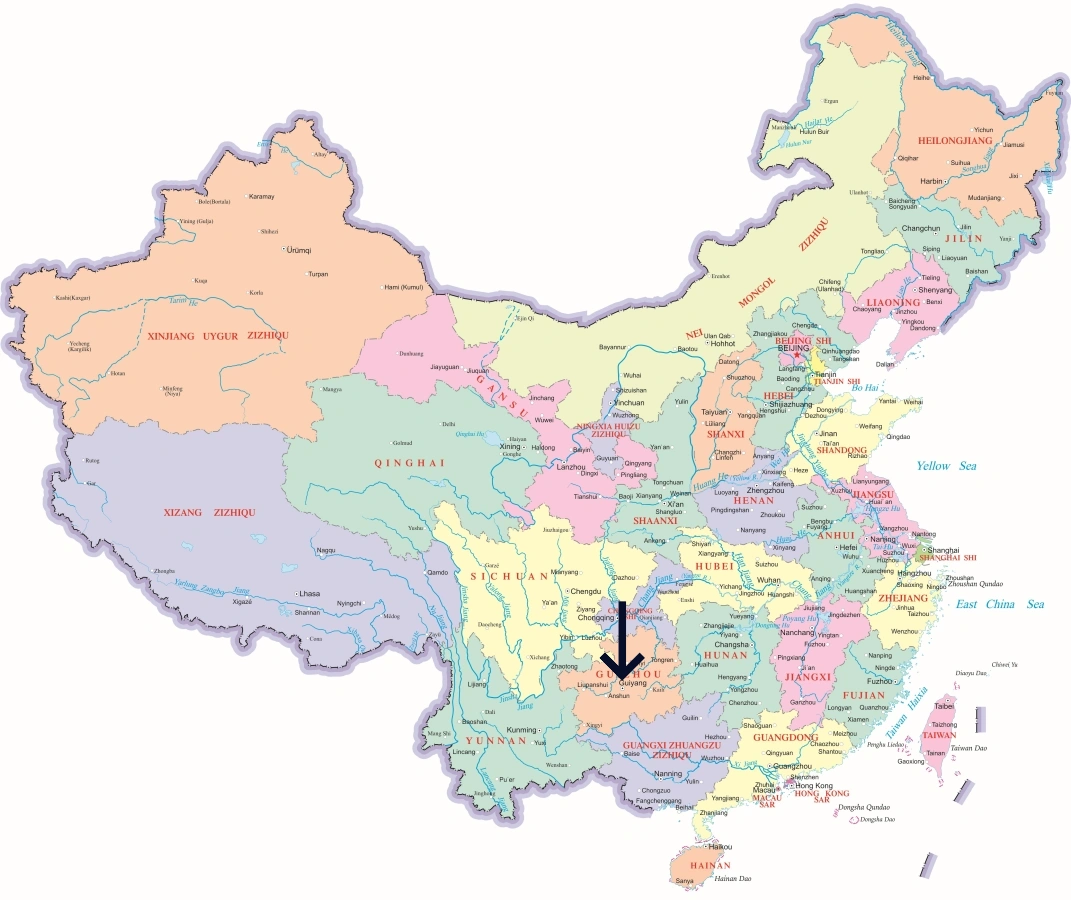
Guiyang is located in southwestern China and is the capital of Guizhou Province. It sits in the eastern part of the Yunnan-Guizhou Plateau, near Anshun, Zunyi, Bijie, and Qiannan Buyei and Miao Autonomous Prefecture. The city is connected to other major Chinese cities by air, high-speed rail, and expressways. Thanks to its convenient location and transportation links, Guiyang also works well as a starting point for popular Guizhou destinations such as Huangguoshu Waterfall, Xijiang Qianhu Miao Village, Libo Xiaoqikong, and Mount Fanjing.

Guiyang location map in China

Guiyang District Map

Guiyang has several administrative districts, but travelers do not need to understand every one in detail. For most trips, it’s more important to focus on where the main attractions, hotels, restaurants, shopping streets, airport, and railway stations are located.

Key areas for travelers include:

  • Yunyan District: Best for old-city sightseeing, food exploration, and urban cultural experiences.
  • Nanming District: Best for visiting Jiaxiu Tower, Qingyun Market, and the night views along the Nanming River.
  • Guanshanhu District: Best for business travel, higher-quality hotels, and modern city sightseeing.
  • Huaxi District: Best for Qingyan Ancient Town, Tianhetan, and natural scenery.
  • Wudang District: Best for hot spring getaways and suburban leisure trips.

Basic Information About Guiyang

Area and Population

Guiyang covers about 8,043 square kilometers and has a permanent population of about 6.6 million. Because the city includes central urban areas, suburbs, and some townships, travelers should focus on distances between the city center, major transportation hubs, and popular attractions when planning where to stay and how to get around.

Approximate populations of the main districts are as follows:

  • Yunyan District: About 1.05 million people. This is Guiyang’s traditional core urban area and commercial center.
  • Nanming District: About 1.1 million people. This district has a high concentration of historical, cultural, and tourism resources.
  • Guanshanhu District: About 700,000 people. This is Guiyang’s modern new district and business center.
  • Huaxi District: About 950,000 people. This area is known for natural scenery and university resources.
  • Wudang District: About 400,000 people. This is one of Guiyang’s key areas for ecological leisure and hot spring tourism.

Guiyang’s postal codes and telephone area code are commonly used for mailing documents, filling in hotel information, food delivery, local contact, and some online forms. Guiyang’s telephone area code is generally 0851, and its city-level postal code is usually 550000.

If you need an accurate postal code for mailing documents, hotel deliveries, or online shopping, check the specific street or full address rather than relying only on the city-level postal code.

Guiyang Travel Guide FAQ

Is Guiyang worth visiting?

Yes. Guiyang is known for its cool climate, Guizhou-style food, and mountain-city cultural scenery, making it a good fit for summer travelers, food lovers, and cultural travelers. If you are visiting southwestern China for the first time or want to experience Guizhou ethnic culture, local snacks, and mountain-city scenery, Guiyang is definitely worth adding to your itinerary.

Most travelers should plan to spend 2–3 days in Guiyang. If time is limited, 1–2 days are enough for the core attractions. If you want a more relaxed trip with food experiences and nearby day trips, plan for 3–4 days.

Guiyang is best known for its cool climate, Guizhou food, Qingyan Ancient Town, and Jiaxiu Tower. For travelers, the most iconic experiences usually include visiting Qingyan Ancient Town, seeing Jiaxiu Tower at night, and trying Guizhou specialty foods.

The top experiences in Guiyang include Qingyan Ancient Town, Qianling Mountain Park, Jiaxiu Tower, Tianhetan, and Guizhou specialty food. For a first visit, prioritize the most representative attractions first, then add neighborhood walks, food experiences, or nearby day trips depending on your schedule.

For first-time visitors, it’s usually most convenient to stay around Penshuichi Metro Station, because transportation is easy and major attractions and restaurants are relatively accessible. If you care more about nightlife, shopping, airport access, or a quieter environment, consider staying around Jiaxiu Tower, Guanshanhu Park, or Guiyang North Railway Station.

The best time to visit Guiyang is usually spring and autumn, especially April–June and September–November, when the weather is cool and comfortable for outdoor sightseeing and city walks. Summer can also work well because Guiyang is one of China’s famous summer retreat cities, but winter may affect travel comfort because of damp cold weather.

The most convenient way to get around Guiyang is usually the metro. If you need to reach the airport, railway stations, travel at night, or carry large luggage, taxis or ride-hailing cars are convenient. For suburban attractions, you may need to combine metro, buses, private cars, or local tours.

When visiting Guiyang, try changwang noodles, beef rice noodles, sticky rice, and Guizhou griddle barbecue. These foods represent the city’s local flavors well. Some are best enjoyed at long-established restaurants, while others are more suited to local neighborhoods, snack streets, or traditional markets.

Guiyang is generally suitable for first-time visitors to China, especially if you are interested in regional food, ethnic culture, or mountain-city scenery. Before departure, prepare payment methods, mobile internet, maps, and translation tools, and confirm whether popular attractions require reservations.

Some popular attractions in Guiyang may require advance reservations or ticket purchases, especially on weekends, holidays, and during peak travel seasons. Check opening hours, ticket rules, and entry requirements before departure. It’s best to confirm popular attractions several days in advance.

Good day trips or short trips from Guiyang include Huangguoshu Waterfall, Xijiang Qianhu Miao Village, and Libo Xiaoqikong. If the destination is farther away, confirm travel times in advance and try to choose high-speed rail, direct buses, private cars, or local day tour products when possible.

Travel costs in Guiyang depend on where you stay, where you eat, how you get around, and which attractions you visit. Staying in the city center or popular commercial areas is more convenient but usually more expensive. If you are on a tighter budget, consider staying in well-connected non-core areas and using public transportation and local restaurants more often. Overall, Guiyang is a good-value destination among China’s popular domestic travel cities.

Official WeChat Mini Program

Copy the official WeChat Mini Program link, then paste it into the WeChat search bar to open it:

1. Copy the Mini Program link

2. Open WeChat and go to the search bar

3. Paste the link and open the Mini Program