
Taiyuan Travel Guide

Taiyuan is one of China’s most distinctive travel destinations for Sanjin history and culture. It is known for the ancient architecture of Jinci Temple, Shanxi Museum, and Jin merchant culture. This guide covers Taiyuan’s must-see attractions, recommended itineraries, best areas to stay, transportation options, local food, best time to visit, map information, and practical travel tips to help you plan a smoother trip to Taiyuan.

At a Glance

  • Known for: Shanxi Museum, Jinci Temple, Jin Merchants Museum, Taiyuan Ancient County Town, Bell Tower Street, and the Liuxiang shopping district
  • Recommended stay: 2–3 days
  • Best time to visit: Spring and autumn, especially April–May and September–October
  • Local food: Knife-cut noodles, noodles with gravy, guo you rou, dipping skewers, and sweet-and-sour meatballs
  • Best for: History and culture travel, museum trips, ancient architecture lovers, Shanxi food trips, and travelers using Taiyuan as a transfer point within Shanxi

Things to Do in Taiyuan

Taiyuan’s travel experience usually centers on Sanjin history, ancient temples and architecture, Jin merchant culture, and Shanxi noodle snacks. For a first visit, start with the city’s most representative attractions and experiences, then add neighborhood walks, museums, food stops, night views, or nearby day trips depending on how much time you have.

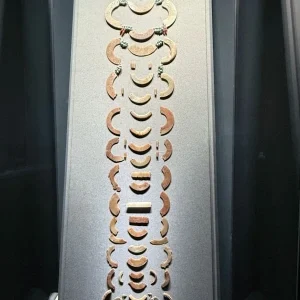
Shanxi Museum

The core museum for understanding the history of the Jin state, bronzes, Buddhist statues, and Shanxi culture.
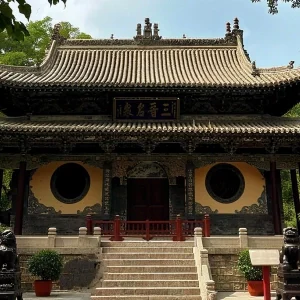
Jinci Temple

Taiyuan’s most representative ancient garden-temple complex, known for the Hall of the Holy Mother, Fish Pond Flying Bridge, ancient trees, and famous springs.
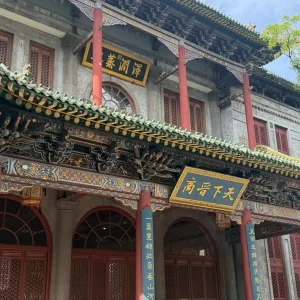
Jin Merchants Museum

A city museum showcasing Jin merchant history, draft-bank culture, and Shanxi’s commercial traditions.

Taiyuan Botanical Garden

Known for its striking architecture and rich greenhouse landscapes, suitable for families, photography, and leisure visits.
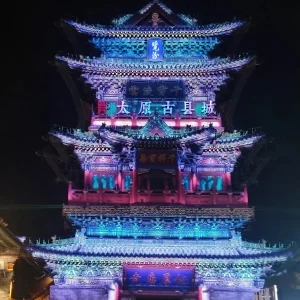
Taiyuan Ancient County Town

A reconstructed ancient-town district, good for night visits, photography, and experiencing the atmosphere of old Jinyang.
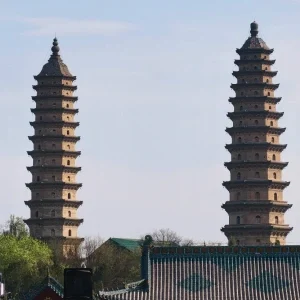
Twin Pagoda Temple

Famous for its Lingxiao Twin Pagodas, a highly recognizable historic landmark in Taiyuan’s skyline.
Suggested Taiyuan Itinerary

Taiyuan itineraries can be planned in several ways depending on your length of stay, from a quick highlights trip to a classic sightseeing route or a more in-depth experience. For a first visit, it is best to build your core itinerary around Shanxi Museum, Jinci Temple, Jin Merchants Museum, and Bell Tower Street, then add Taiyuan Ancient County Town, Taiyuan Botanical Garden, or a nearby day trip to Yuci Ancient Town/Shuanglin Temple if time allows.

The following Taiyuan itineraries are suitable for first-time visitors. You can adjust the order based on your flight or high-speed rail schedule, hotel location, and interests. During public holidays or when popular attractions require reservations, allow extra flexibility in your schedule.

1-day itinerary

This itinerary is suitable for travelers with limited time who want to quickly understand the highlights of Taiyuan and Shanxi culture. Spend the morning seeing the ancient architecture of Jinci Temple, visit Shanxi Museum in the afternoon, and then extend the route toward Jinzhong for an ancient town or temple if time allows.

  • Day route: Jinci Museum → Shanxi Museum → Yuci Ancient Town / Shuanglin Temple

3-day, 2-night itinerary

This itinerary is ideal for first-time visitors who want a complete Taiyuan experience. It balances museums, the ancient architecture of Jinci Temple, old-town night visits, city shopping districts, nature and leisure, and local Shanxi food.

  • Day 1: Shanxi Museum → Jin Merchants Museum → Twin Pagoda Temple → Bell Tower Street
  • Day 2: Northern Qi Mural Museum → Jinci Temple → Taiyuan Ancient County Town
  • Day 3: Mengshan Giant Buddha → Taiyuan Botanical Garden → Liuxiang

Where to Stay in Taiyuan

For first-time visitors to Taiyuan, the most recommended area to stay is usually near Bell Tower Street. This area offers convenient transportation, easy access to major attractions, and a relatively wide range of hotel options. If you care more about nightlife, food, shopping, a quieter setting, or airport and train station access, you can also choose areas such as near MixC, Taiyuan Railway Station, Taiyuan South Railway Station, or Jinyang Lake/Jinyuan District based on your itinerary.

  • Near Bell Tower Street: Best for first-time visitors to Taiyuan who enjoy walking, shopping, and evening food. Its strengths are proximity to Liuxiang, Food Street, Jin Merchants Museum, and the downtown commercial area. It is convenient for Shanxi Museum, Twin Pagoda Temple, Taiyuan Railway Station, and major restaurants, making it suitable for classic 2–3 day city trips.
  • Near MixC: Best for families, business travelers, shoppers, and visitors who prefer a more modern hotel environment. Its strengths are better mall, dining, and new-city facilities. It is convenient for Shanxi Museum, Taiyuan Botanical Garden, Jinyang Lake, and routes toward Taiyuan South Railway Station, making it suitable for travelers who prefer a more comfortable pace.
  • Near Taiyuan Railway Station: Best for travelers arriving by regular train, visitors on a budget, or those who need to catch an early or late train. Its strengths are convenient transfers and many accommodation options. It is convenient for Bell Tower Street, Liuxiang, Jin Merchants Museum, and Twin Pagoda Temple, making it suitable for short stays and itinerary connections.

How to Get to and Around Taiyuan

Most visitors travel to Taiyuan by plane or high-speed rail. Taiyuan’s main airport is Taiyuan Wusu International Airport, and the city also has major railway stations including Taiyuan Railway Station and Taiyuan South Railway Station. If you are coming from nearby cities such as Beijing, Shijiazhuang, Xi’an, Zhengzhou, Datong, Linfen, or Jinzhong, high-speed rail is usually the most convenient and predictable transportation option.

From Taiyuan Wusu International Airport to the city center, you can take an airport bus, metro, taxi, or ride-hailing car. The best option depends on your arrival time, amount of luggage, hotel location, and budget. Taiyuan currently mainly uses Taiyuan Wusu International Airport, so when booking a hotel or transfer service, check whether “Wusu Airport” is specified. In general, Taiyuan Wusu International Airport is suitable for out-of-town visitors arriving in downtown Taiyuan, Taiyuan South Railway Station, and Xiaodian District. If you are coming from within Shanxi or nearby cities, high-speed rail to Taiyuan South Railway Station or Taiyuan Railway Station is usually more convenient.

Taiyuan usually has several train stations, and different stations may serve different high-speed rail or regular train routes. Taiyuan South Railway Station is an important hub for high-speed and bullet trains and is relatively close to Wusu Airport. Taiyuan Railway Station is closer to the traditional city center and the Bell Tower Street/Liuxiang area. Before buying tickets, carefully confirm your departure and arrival stations, as travel time within the city can vary significantly between stations.

For getting around Taiyuan, the metro, buses, taxis, and ride-hailing cars are all practical. The metro is useful for connecting the city center, Taiyuan South Railway Station, and some main urban areas. Taxis and ride-hailing cars are useful for late-night trips, traveling with large luggage, or reaching places not directly served by the metro. If you plan to visit suburban or nearby attractions such as Jinci Temple, Taiyuan Ancient County Town, Mengshan Giant Buddha, Yuci Ancient Town, or Shuanglin Temple, you can choose from buses, intercity transportation, private cars, transfer services, or local tour groups depending on your destination.

What to Eat in Taiyuan

Taiyuan is an excellent place to try Shanxi noodles and Jin-style snacks. From classic local dishes and street food to neighborhood restaurants, the city offers many representative food experiences. First-time visitors should consider starting with signature foods such as knife-cut noodles, guo you rou, and noodles with gravy. Some foods can be found near popular attractions and commercial areas, while others are better experienced in local neighborhoods, time-honored restaurants, or traditional markets.

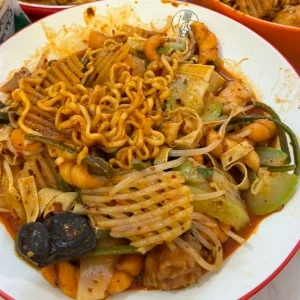
Malaban

A richly flavored street-style fast food with many mix-in ingredients, especially popular with younger diners.
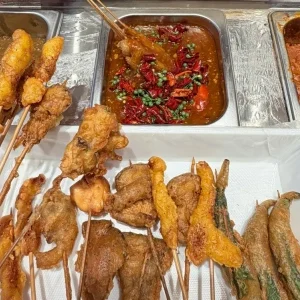
Dipping skewers

Skewers served with spicy, savory dipping sauces, good for late-night snacks and eating while walking around with friends.
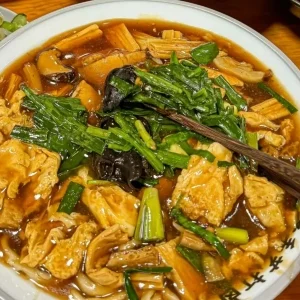
Noodles with gravy

A classic Shanxi home-style noodle dish with thick, flavorful gravy and chewy noodles.
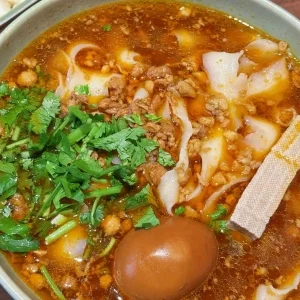
Knife-cut noodles

One of Shanxi’s most representative noodle dishes, with springy, unevenly sliced noodles and many broth and topping options.
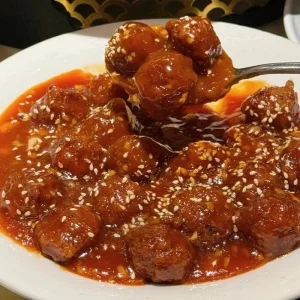
Sweet-and-sour meatballs

Crispy outside, tender inside, and appetizingly sweet-and-sour, a common dish in Jin-style restaurants.

Guo you rou

A classic Shanxi dish of tender, savory sliced meat, often paired with staple foods.
Best Time to Visit Taiyuan

The best time to visit Taiyuan is usually April–May and September–October. During these months, the weather is fairly comfortable and better suited for outdoor sightseeing and city walks. June and November can also work for off-peak travel, while July–August may make travel less comfortable because of heat, rain, and summer crowds. In winter, pay attention to cold weather and temperature differences between morning and evening.

  • January: Average temperatures are about -12°C to 2°C, with cold and dry weather. Good for museums, indoor attractions, and food-focused trips, but protect yourself from the cold and low temperatures in the morning and evening.
  • February: Average temperatures are about -8°C to 6°C, and the weather remains fairly cold. Good for off-season travel and short city trips, but dress warmly.
  • March: Average temperatures are about -1°C to 13°C. The weather gradually warms up, but wind can be noticeable. Good for museums, Bell Tower Street, and city attractions, but note the day-night temperature difference.
  • April: Average temperatures are about 6°C to 21°C, with comfortable weather. Good for Jinci Temple, Taiyuan Ancient County Town, Twin Pagoda Temple, and city walks. It is one of the more recommended travel months.
  • May: Average temperatures are about 12°C to 27°C, with warm weather. Good for ancient architecture trips, the botanical garden, and nearby short trips, though holiday crowds can be heavy.
  • June: Average temperatures are about 17°C to 31°C, and the weather becomes hot. Good for morning and evening sightseeing and night neighborhoods, but sun protection and hydration are important.
  • July: Average temperatures are about 20°C to 32°C, with hot weather and more rain. Good for museums, botanical garden greenhouses, and night tours, but bring rain gear.
  • August: Average temperatures are about 19°C to 30°C, with fairly hot and rainy weather. Good for off-peak indoor sightseeing and evening shopping, but watch for thunderstorms.
  • September: Average temperatures are about 13°C to 25°C, with crisp weather. Good for Jinci Temple, Taiyuan Ancient County Town, Mengshan Giant Buddha, and city walks. It is a highly recommended travel month.
  • October: Average temperatures are about 6°C to 19°C, with cool weather. Good for autumn scenery, ancient architecture trips, and weekend getaways, but crowds are heavy during the National Day holiday.
  • November: Average temperatures are about -2°C to 10°C, and the weather turns colder. Good for off-peak travel and museum visits, but a thick jacket is needed in the morning and evening.
  • December: Average temperatures are about -9°C to 3°C, with cold and dry weather. Good for off-season city travel and Shanxi food experiences, but protect yourself from cold weather and dry air.

Essential Taiyuan Travel Tips

Before visiting Taiyuan, it is a good idea to plan a few practical details in advance, including reservations for popular attractions, payment methods, mobile internet, transportation apps, and packing for the season. Some popular attractions may require advance reservations or tickets, and some services may work differently from what overseas visitors are used to.

  • Attraction reservations: Popular Taiyuan attractions such as Shanxi Museum, Jinci Temple, Jin Merchants Museum, and Taiyuan Botanical Garden may require advance reservations during holidays and peak seasons. Check opening hours and ticket rules before departure.
  • Payment methods: Mobile payment is widely used in mainland China. Set up a usable payment method in advance, and keep a small amount of backup cash or a bank card.
  • Mobile internet: If you need maps, translation, ride-hailing, and ticket-booking services, prepare an eSIM, SIM card, or another reliable way to get online.
  • Transportation apps: Maps, metro, ride-hailing, and translation apps are very useful when traveling in Taiyuan, especially when transferring between trains, airport transportation, or visiting suburban attractions such as Jinci Temple and Taiyuan Ancient County Town.
  • Travel timing: Morning and evening rush hours and public holidays can be crowded. Try to schedule Shanxi Museum, Jinci Temple, and popular old streets in the morning, and allow extra time for cross-city or cross-district travel.
  • Luggage and clothing: Taiyuan has four distinct seasons. Spring and autumn have noticeable day-night temperature differences, summer requires sun protection, and winter is cold and dry. Pack appropriate clothing and comfortable walking shoes for your travel month.

Taiyuan Maps

Understanding Taiyuan’s city layout can make itinerary planning much easier. This section gives a quick overview of where Taiyuan is located in China and how the city’s main administrative areas are generally distributed. For travelers, the most important areas are usually the city center, major transportation hubs, and the urban or suburban districts that connect popular attractions.

Where is Taiyuan in China?

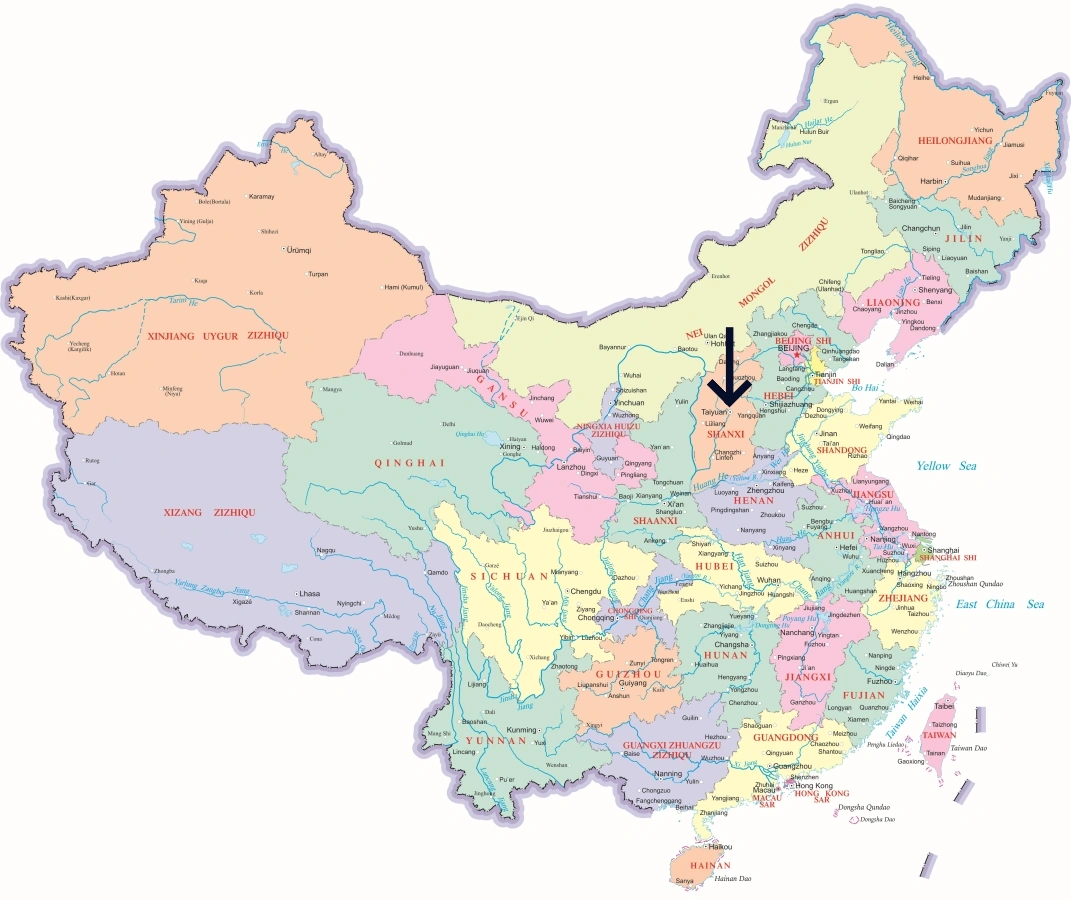
Taiyuan is located in North China and belongs to Shanxi Province. It is close to cities such as Jinzhong, Xinzhou, Lüliang, Yangquan, and Linfen, and is connected to other major Chinese cities by air, high-speed rail, and expressways. Thanks to its convenient location and transportation links, Taiyuan also works well as a base for nearby destinations such as Pingyao Ancient City, Qiao Family Courtyard, Yuci Ancient Town in Jinzhong, Mount Wutai, and the ancient architecture routes of central and northern Shanxi.

Taiyuan location map in China

Taiyuan District Map

Taiyuan administers multiple districts, but travelers do not need to understand every district in detail. For most itineraries, it is more important to focus on the areas where major attractions, hotels, restaurants, shopping streets, airports, and train stations are located.

Areas travelers should pay attention to include:

  • Yingze District: Best for Bell Tower Street, Liuxiang, Taiyuan Railway Station, Jin Merchants Museum, and first-time stays in central Taiyuan.
  • Xinghualing District: Best for the historic Fucheng area, the area around Jin Merchants Museum, and traditional downtown sightseeing.
  • Wanbailin District: Best for Shanxi Museum, MixC, the west bank of the Fen River, and more comfortable city accommodation.
  • Xiaodian District: Best for Taiyuan South Railway Station, Wusu Airport, high-speed rail transfers, and business stays in the newer urban area.
  • Jinyuan District: Best for Jinci Temple, Taiyuan Ancient County Town, Mengshan Giant Buddha, Taiyuan Botanical Garden, and more in-depth nearby travel.

Basic Information About Taiyuan

Area and Population

Taiyuan covers a total area of about 6,909 square kilometers and has a permanent resident population of about 5.51 million. Because the city may include central urban areas, suburbs, county seats, and some mountain towns, travelers planning accommodation and transportation should focus mainly on distances between the city center, major transportation hubs, and popular attractions.

The population of the main administrative areas is roughly as follows:

  • Xiaodian District: About 1.45 million residents. This is one of Taiyuan’s most important transportation areas for Taiyuan South Railway Station, Wusu Airport, and the southern new city.
  • Wanbailin District: About 1 million residents. This area has a concentration of Shanxi Museum, MixC, and residential neighborhoods along the west bank of the Fen River.
  • Xinghualing District: About 800,000 residents. This is an area with traditional downtown streets, the Fucheng area, and some historical and cultural resources.
  • Yingze District: About 610,000 residents. This area has a concentration of Bell Tower Street, Liuxiang, Taiyuan Railway Station, and downtown commerce.
  • Jinyuan District: About 320,000 residents. This is where Jinci Temple, Taiyuan Ancient County Town, Mengshan Giant Buddha, and Taiyuan Botanical Garden are located.

Taiyuan’s postal codes and telephone area code are commonly used for mailing documents, filling in hotel information, food delivery, local contact details, and some online forms. Taiyuan’s telephone area code is generally 0351, and its city-level postal code is generally 030000.

If you need an accurate postal code, such as for mailing documents, receiving packages at a hotel, or online shopping, look it up based on the specific street or full address rather than using only the city-level postal code.

Taiyuan Travel Guide FAQ

Is Taiyuan worth visiting?

Yes. Taiyuan is known for the ancient architecture of Jinci Temple, Shanxi Museum, and Jin merchant culture. It is a good destination for history and culture travelers, museum lovers, and fans of Shanxi food. If this is your first trip to China, or if you want to experience Sanjin culture, Shanxi ancient architecture, and noodle snacks, Taiyuan is usually well worth adding to your itinerary.

In general, 2–3 days is recommended for Taiyuan. If you have limited time, 1 day is enough to see the core sights. If you want to experience the city more slowly, enjoy local food, and add a nearby day trip, plan for 3–4 days.

Taiyuan is mainly known for Jinci Temple, Shanxi Museum, Jin merchant culture, and Shanxi noodles. For travelers, the most representative experiences usually include visiting the ancient architecture of Jinci Temple, seeing the collections at Shanxi Museum, and trying local foods such as knife-cut noodles and guo you rou.

The top things to experience in Taiyuan include Shanxi Museum, Jinci Temple, Jin Merchants Museum, Taiyuan Ancient County Town, and Shanxi noodle dishes. For a first visit, prioritize the most iconic attractions, then add neighborhood walks, food experiences, or nearby day trips depending on your schedule.

For a first trip to Taiyuan, it is usually best to stay near Bell Tower Street because transportation is convenient and it is easy to reach major attractions and restaurants. If you care more about nightlife, shopping, airport access, or a quieter environment, you can also consider staying near MixC, Taiyuan Railway Station, or Taiyuan South Railway Station.

The best time to visit Taiyuan is usually April–May and September–October. During these periods, the weather is fairly comfortable and better suited for outdoor sightseeing and city walks. June and November can also work for off-peak travel, but July–August may affect comfort because of heat, rain, and summer crowds.

The easiest way to get around Taiyuan is usually by metro, bus, and ride-hailing car. The metro is useful for connecting the city center, Taiyuan South Railway Station, and some main urban areas. For airport or train station transfers, late-night travel, or trips with large luggage, taxis or ride-hailing cars are convenient. For suburban attractions such as Jinci Temple, Taiyuan Ancient County Town, and Mengshan Giant Buddha, you may need to combine the metro, buses, a private car, or a local tour group.

When visiting Taiyuan, try knife-cut noodles, noodles with gravy, guo you rou, and sweet-and-sour meatballs. These foods represent local flavors well. Some are best enjoyed at time-honored restaurants, while others are better experienced in local neighborhoods, snack streets, or traditional markets.

Taiyuan is generally a good destination for first-time visitors to China, especially if you are interested in Chinese ancient architecture, Jin merchant history, or local food. Before departure, prepare your payment method, mobile internet, maps, and translation tools, and check whether popular attractions require advance reservations.

Some popular Taiyuan attractions may require advance reservations or tickets, especially on weekends, public holidays, and during peak travel seasons. Before departure, check opening hours, ticket rules, and entry requirements. For popular attractions such as Shanxi Museum, Jinci Temple, Jin Merchants Museum, and Taiyuan Botanical Garden, it is best to confirm a few days in advance.

Good day trips or short trips from Taiyuan include Pingyao Ancient City, Qiao Family Courtyard, and Yuci Ancient Town. If your destination is farther away, check transportation times in advance and consider using high-speed rail, direct buses, a private car, or a local day-tour product.

Travel costs in Taiyuan depend on where you stay, what restaurants you choose, how you get around, and which attractions you visit. In general, staying near Bell Tower Street, Liuxiang, MixC, or popular commercial areas is more convenient but more expensive. If you are on a tighter budget, choose accommodation near Taiyuan Railway Station, Taiyuan South Railway Station, or another well-connected non-core area, and use more public transportation and local restaurants.

Official WeChat Mini Program

Copy the official WeChat Mini Program link, then paste it into the WeChat search bar to open it:

1. Copy the Mini Program link

2. Open WeChat and go to the search bar

3. Paste the link and open the Mini Program