

Urumqi is one of China’s most distinctive travel destinations for experiencing Silk Road atmosphere and the natural scenery of the Tianshan Mountains. It is best known for the Xinjiang International Grand Bazaar, Tianchi Lake, and its rich multi-ethnic food culture. This guide covers Urumqi’s must-see attractions, recommended itineraries, best areas to stay, transportation options, local food, best time to visit, map information, and practical travel tips to help you plan a smoother trip to Urumqi.
A trip to Urumqi usually centers on Silk Road city culture, Tianshan mountain scenery, ethnic traditions, and Xinjiang cuisine. For a first visit, it is best to start with the city’s most representative attractions and experiences, then add neighborhood walks, museums, food stops, night views, or nearby day trips depending on how much time you have.

The most classic day-trip destination near Urumqi, known for its snow-capped mountains, alpine lake, and spruce forests.
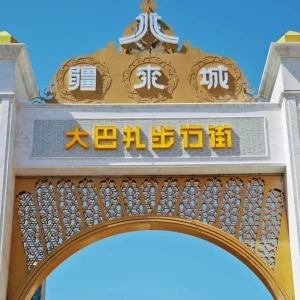
A lively commercial district with strong Silk Road character, ideal for shopping, photography, and tasting Xinjiang snacks.
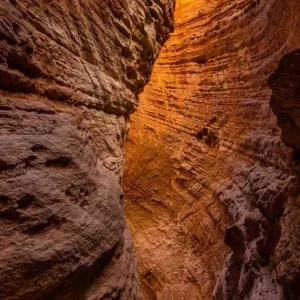
A scenic area featuring canyons, snow mountains, meadows, and forests, best for nature-focused travelers.
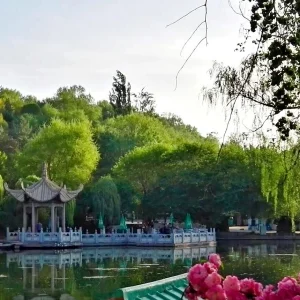
A great place in the city to watch the sunset and take in panoramic views of Urumqi.

An important museum for learning about Xinjiang’s history, Silk Road culture, and ethnic artifacts.

A representative high-altitude glacier landscape in the Tianshan Mountains, ideal for travelers interested in physical geography and alpine scenery.
Urumqi itineraries can be planned as a quick highlights trip, a classic city-and-nature route, or a more in-depth experience depending on how long you stay. For first-time visitors, it is best to build your core itinerary around the Xinjiang International Grand Bazaar, Red Hill Park, the Xinjiang Uygur Autonomous Region Museum, and Tianchi Lake, then add Youhao Road shopping areas, night-market food, or a day trip to Tianshan Grand Canyon if time allows.
The following Urumqi itineraries are suitable for first-time visitors. You can adjust the order based on your flight or high-speed rail schedule, hotel location, and personal interests. During holidays or when popular attractions require reservations, leave extra flexibility in your schedule.
Best for first-time visitors with limited time. Spend the first day enjoying city food, the bazaar, and an urban sunset, then take a day trip to Tianchi Lake on the second day for a balanced city-and-nature experience.
Best for travelers who want a fuller experience of Urumqi. This route includes shopping areas, night markets, the bazaar, and museums, as well as Tianchi Lake, Shuimogou, and other city leisure and nature experiences at a more relaxed pace.
For first-time visitors to Urumqi, the most convenient places to stay are usually central areas in Tianshan District or Saybag District. These areas offer easy transportation, convenient access to major attractions, and a relatively wide range of hotels. If you prioritize nightlife, food, shopping, a quieter environment, or airport/train station access, you can also choose Shuimogou District, Xinshi District, Toutunhe District, or areas near Urumqi Railway Station based on your itinerary.
Most travelers choose to reach Urumqi by plane or high-speed rail. Air travel in Urumqi is mainly served by Urumqi Tianshan Airport, while the city also has major railway stations such as Urumqi Railway Station and Urumqi South Railway Station. If you are coming from nearby cities such as Turpan, Changji, Shihezi, Korla, Yining, or Hami, high-speed trains, bullet trains, or intercity trains are usually convenient options with relatively predictable travel times.
From Urumqi Tianshan Airport to the city center, you can take the metro, airport express service, taxi, ride-hailing service, or public bus. The best option depends on your arrival time, amount of luggage, hotel location, and budget. Urumqi currently mainly uses Tianshan International Airport, so before booking a hotel or airport pickup service, check whether “Tianshan Airport” is specified. In general, Tianshan International Airport is convenient for travelers heading to downtown Urumqi, Xinshi District, Saybag District, or the high-speed rail station area. If you are traveling from other cities in Xinjiang, rail or road transportation is also commonly used for onward connections.
Urumqi has multiple railway stations, and different stations may serve different high-speed, bullet, or regular train routes. Urumqi Railway Station is the main high-speed rail and bullet train hub, suitable for most arrivals and departures. Urumqi South Railway Station is closer to the old city and can be convenient for some regular-speed trains and urban transport connections. Before buying tickets, carefully confirm your departure and arrival stations, as travel time between different railway stations within the city can vary significantly.
For getting around Urumqi, the metro is usually one of the most convenient and reliable options. Buses, taxis, and ride-hailing services are also practical. Taxis and ride-hailing are especially useful at night, when carrying large luggage, or when going somewhere not directly served by the metro. If you plan to visit suburban attractions such as Tianchi Lake, Tianshan Grand Canyon, Glacier No. 1, or Nanshan Pasture, you can choose scenic-area shuttle buses, intercity coaches, private car hires, self-driving, or local tour groups depending on your destination.
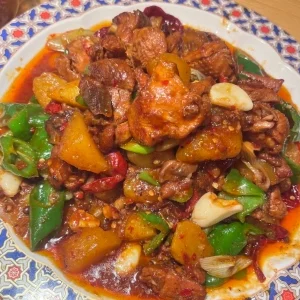
Urumqi is an excellent place to try Xinjiang flavors and Silk Road ethnic cuisine, from classic local dishes and street snacks to neighborhood restaurants. First-time visitors should prioritize signature foods such as Big Plate Chicken, polo rice, and thin-skinned dumplings. Some dishes are easy to find near popular attractions and commercial areas, while others are best experienced in local neighborhoods, time-honored restaurants, or traditional markets.

A signature Xinjiang dish made with chicken, potatoes, wide belt noodles, and a rich, savory sauce.
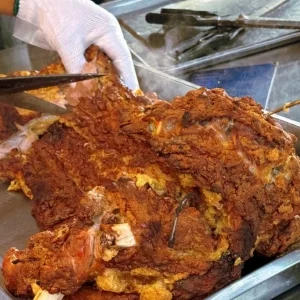
Fragrant and ceremonial, best enjoyed with a group or at a specialty restaurant.
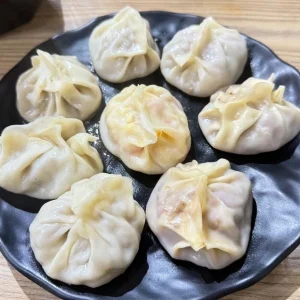
Delicate dumplings with thin wrappers and aromatic filling, usually made with lamb and onion; great for breakfast or as a snack.
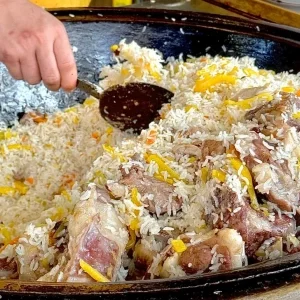
A classic Xinjiang staple with flavorful rice and tender lamb.
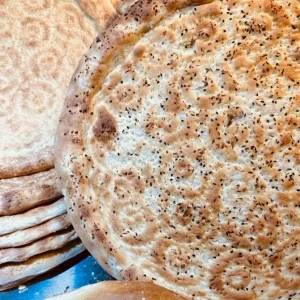
A daily Xinjiang bread that pairs well with kebabs, milk tea, or as an easy travel snack.

A refreshing sweet-and-tangy local specialty, especially worth trying in summer.
The best time to visit Urumqi is usually from May to October. During this period, the weather is relatively comfortable, nearby natural scenery is at its best, and conditions are better for outdoor sightseeing and city walks. April and November can also be good off-season options. From December to February, however, cold temperatures, snow, and occasionally unstable mountain transportation may reduce travel comfort. Winter is better suited to skiing, snow activities, and food-focused city trips.
Before visiting Urumqi, it is worth planning a few practical details in advance, including reservations for popular attractions, payment methods, mobile internet, transportation apps, and packing for the season. Some popular attractions may require advance booking or ticket purchase, and certain services may work differently from what overseas visitors are used to.
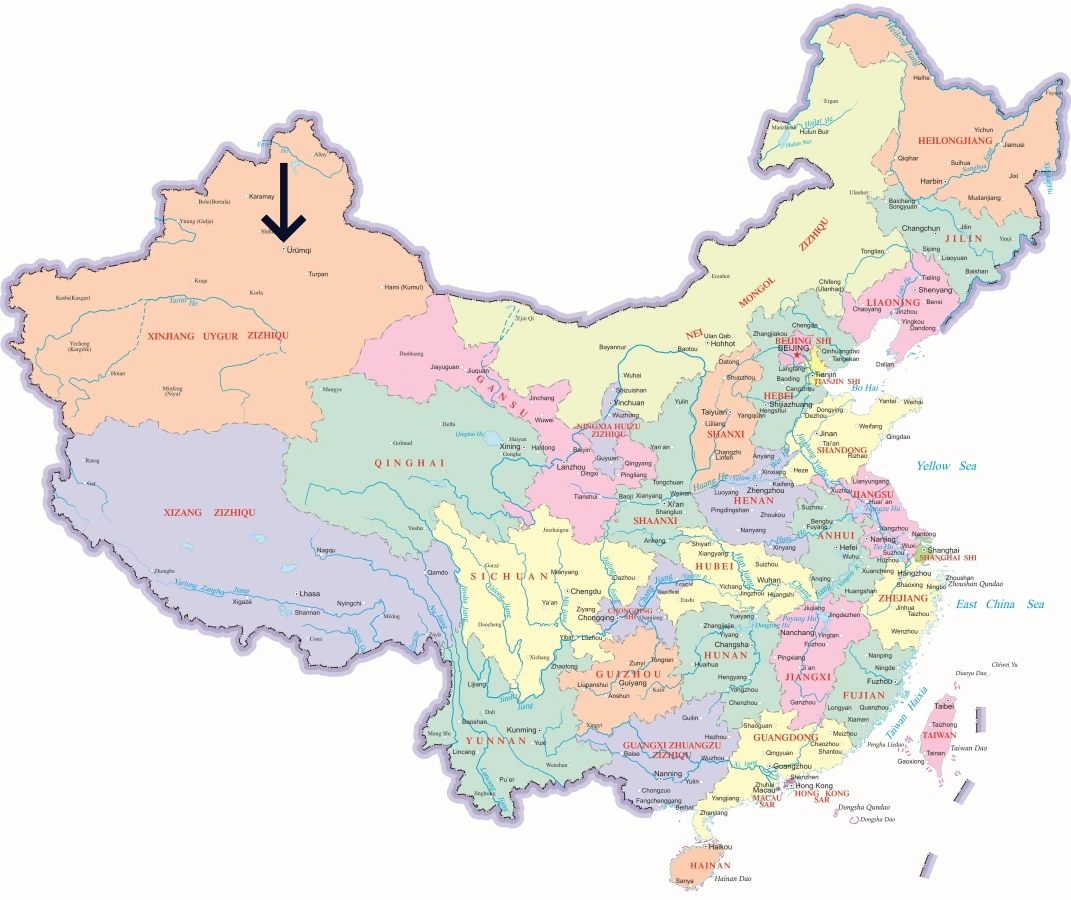
Understanding Urumqi’s city layout can make trip planning much easier. This section gives a quick overview of where Urumqi is located in China and how its main administrative districts are generally arranged. For travelers, the most important areas are usually the city center, major transportation hubs, and the urban or suburban districts connected to popular attractions.
Urumqi is located in Northwest China and is the capital of the Xinjiang Uygur Autonomous Region. It is near Changji, Turpan, Wujiaqu, Shihezi, and the urban belt along the northern slope of the Tianshan Mountains. It is connected to other major Chinese cities by air, rail, and expressway. Thanks to its location and transportation links, Urumqi is also a convenient starting point for trips to Tianchi Lake, Turpan, Kanas, Ili, the Duku Highway, and longer routes across northern and southern Xinjiang.
Urumqi is made up of several administrative districts, but travelers do not need to know every district in detail. For most itineraries, it is more useful to focus on the areas where major attractions, hotels, restaurants, shopping streets, the airport, and railway stations are located.
Areas travelers should pay attention to include:
Urumqi covers a total area of about 13,800 square kilometers and has a permanent resident population of about 4.1284 million. Because the city’s administrative area includes the central urban area, suburbs, mountain areas, and some township areas, travelers should focus on the distances between the central districts, major transportation hubs, and popular attractions when planning accommodation and transportation.
Approximate populations of the main districts are as follows:
Urumqi’s postal code and telephone area code are commonly used for mailing documents, filling in hotel information, food delivery, local contact details, and some online forms. Urumqi’s telephone area code is generally 0991, and its general postal code is 830000.
If you need an exact postal code, such as for mailing documents, receiving items at a hotel, or online shopping, look it up based on the specific street or full address rather than relying only on the city-level postal code.
Yes. Urumqi is known for the Xinjiang International Grand Bazaar, Tianchi Lake, and its multi-ethnic food culture. It is a great destination for first-time visitors to Xinjiang, nature lovers, and food travelers. If this is your first trip to China, or if you want to experience Silk Road city culture, Tianshan mountain scenery, and Xinjiang cuisine, Urumqi is usually well worth adding to your itinerary.
In general, 2–3 days is recommended for Urumqi. If you have limited time, a 2-day, 1-night trip can cover the main highlights. If you want a more relaxed experience with city sightseeing, food, and nearby day trips such as Tianchi Lake or Tianshan Grand Canyon, plan for 3–4 days.
Urumqi is mainly known for the Xinjiang International Grand Bazaar, Tianchi Lake, the Xinjiang Uygur Autonomous Region Museum, and Xinjiang cuisine. For travelers, the most representative experiences usually include exploring the bazaar, visiting the museum, and taking a day trip to Tianchi Lake.
The best things to experience in Urumqi include Tianchi Lake, the Xinjiang International Grand Bazaar, the Xinjiang Uygur Autonomous Region Museum, Red Hill Park, and Xinjiang food. For a first visit, prioritize the most representative sights, then add neighborhood walks, food experiences, or nearby day trips depending on your schedule.
For a first trip to Urumqi, Tianshan District or Saybag District is usually the most convenient choice because transportation is easy and major attractions and restaurants are relatively accessible. If you care more about nightlife, shopping, airport access, or a quieter environment, you can also consider Shuimogou District, Xinshi District, or Toutunhe District.
The best time to visit Urumqi is usually from May to October. During this period, the weather is relatively comfortable, nearby natural scenery is richer, and conditions are better for outdoor sightseeing and walking around the city. April and November can also work for off-peak travel, but from December to February, cold weather, snow, and occasionally unstable mountain transportation may affect travel comfort.
The easiest ways to get around Urumqi are usually the metro, buses, and ride-hailing services. The metro is useful for reaching the airport, railway stations, and some main urban areas. For night markets, airport or train station transfers, nighttime travel, or trips with large luggage, taxis or ride-hailing services are convenient. For suburban attractions, you may need to combine scenic-area shuttle buses, intercity coaches, private car hires, self-driving, or local tour groups.
When visiting Urumqi, try Big Plate Chicken, polo rice, thin-skinned dumplings, and naan. These foods represent local dining culture well. Some are best enjoyed in restaurants, while others are better experienced in local neighborhoods, snack streets, night markets, or traditional markets.
Urumqi is generally suitable for first-time visitors to China, especially if you are interested in Silk Road culture, Tianshan mountain scenery, or Xinjiang food. Before your trip, prepare payment methods, mobile internet, maps, and translation tools, and check whether popular attractions require reservations.
Some popular attractions in Urumqi may require advance reservations or ticket purchases, especially on weekends, public holidays, and during peak travel season. Before you go, check opening hours, ticket policies, and entry requirements. For popular attractions such as Tianchi Lake, the Xinjiang Uygur Autonomous Region Museum, and Tianshan Grand Canyon, it is best to confirm details a few days in advance.
Good day-trip or short-trip destinations from Urumqi include Tianchi Lake, Tianshan Grand Canyon, and Turpan. If the destination is farther away, confirm travel times in advance and consider taking a high-speed train, direct bus, private car, self-drive route, or local day-tour product.
Travel costs in Urumqi depend on where you stay, where you eat, how you get around, and which attractions you visit. In general, staying in Tianshan District, Saybag District, popular shopping areas, or visiting scenic spots such as Tianchi Lake during peak season will be more convenient but more expensive. If you are traveling on a budget, consider non-central areas near metro lines or the high-speed rail station, and use public transportation and local restaurants more often.
Explore detailed travel guides for China’s most popular cities, covering attractions, local food, accommodations, and transportation tips.
Official WeChat Mini Program
Copy the official WeChat Mini Program link, then paste it into the WeChat search bar to open it:
1. Copy the Mini Program link
2. Open WeChat and go to the search bar
3. Paste the link and open the Mini Program
English (US)