Yiwu is one of China’s most distinctive destinations for international trade and small-commodity markets. It is best known for Yiwu International Trade City, Santing Road Night Market, and its diverse food culture. This guide covers Yiwu’s must-see attractions, recommended itineraries, best areas to stay, transportation options, local food, best time to visit, map information, and practical travel tips to help you plan a smoother trip to Yiwu.
Travel in Yiwu usually centers on small-commodity trade, city sightseeing, night-market food, and multicultural neighborhoods. For a first visit, it is best to prioritize the most iconic attractions and experiences, then add neighborhood walks, museums, food stops, night views, or nearby day trips depending on how much time you have.

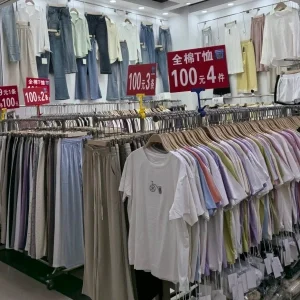
A major clothing market, good for browsing apparel, checking styles, and understanding Yiwu’s wholesale and retail ecosystem.
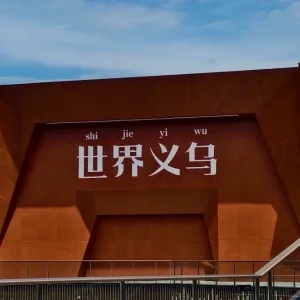
One of Yiwu’s city landmarks, good for photos and experiencing the city’s “World Yiwu” image.
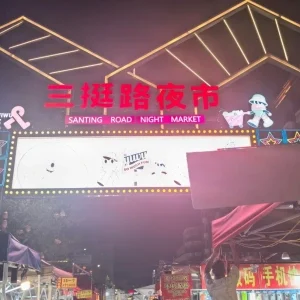
A popular Yiwu night market, ideal for evening snacks and local nightlife.
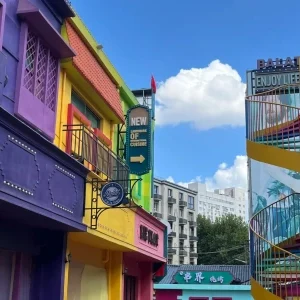
An industrial-style creative park, good for photos, coffee, and relaxed walks.
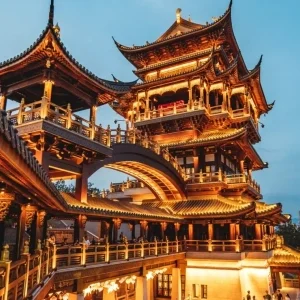
A city viewpoint in Yiwu, suitable for overlooking the urban landscape and taking an easy walk.

Yiwu itineraries can be planned as a quick highlights trip, a classic city route, or a more in-depth experience depending on how long you stay. For first-time visitors, it is best to build your core itinerary around Yiwu International Trade City, Santing Road Night Market, Chaoyangmen Square, and 1970 Cultural and Creative Park, then add Huangyuan Garment Market, Korean Style Street, or short trips to Jinhua or Hengdian if time allows.
The following Yiwu itineraries are suitable for first-time visitors. You can adjust the order based on your flight or high-speed rail schedule, hotel location, and personal interests. During holidays or when popular attractions require reservations, leave extra flexibility in your schedule.
Best for first-time visitors who want to combine trade markets, city landmarks, and night-market food. The route is compact but easy to follow, making it suitable for a short weekend trip.
Best for travelers more focused on shopping and market experiences. Day 1 centers on Yiwu International Trade City and the night market, while Day 2 covers the garment market and a city commercial complex, making it suitable for sourcing, shopping, and an easy return.
For first-time visitors to Yiwu, staying near Santing Road Night Market or Yiwu International Trade City is usually the most recommended choice. Transportation is convenient, major attractions are relatively easy to reach, and there is a good range of hotels. If you prioritize nightlife, food, shopping, a quieter environment, or airport/train station access, you can also choose areas near Yiwu Railway Station, Huangyuan Market, Yiwu Tiandi, or the Binwang commercial area based on your itinerary.
Most travelers choose to reach Yiwu by plane or high-speed rail. Air travel is mainly served by Yiwu Airport, while Yiwu Railway Station is the city’s main railway hub. If you are coming from nearby cities such as Hangzhou, Shanghai, Jinhua, Ningbo, Wenzhou, or Nanjing, high-speed rail is usually the most convenient transportation option with relatively predictable travel times.
From Yiwu Airport to the city center, you can take an airport bus, taxi, ride-hailing service, or hotel transfer. Yiwu currently does not have an urban metro system, so the best option depends on your arrival time, amount of luggage, hotel location, and budget. Yiwu mainly uses Yiwu Airport, so before booking a hotel or transfer service, check whether “Yiwu Airport” is specified. In general, Yiwu Airport is convenient for travelers heading directly to Yiwu International Trade City, Santing Road Night Market, and downtown hotels. If you are coming from within Zhejiang Province or other Yangtze River Delta cities, taking high-speed rail to Yiwu Railway Station is usually more convenient.
Yiwu’s main railway hub is Yiwu Railway Station, which serves regular trains, bullet trains, and high-speed rail. It is convenient for routes to Hangzhou, Shanghai, Jinhua, Wenzhou, Ningbo, and other cities. Before buying tickets, carefully confirm your departure station, arrival station, and train type, because you will still need some local travel time from Yiwu Railway Station to Yiwu International Trade City, the city center, or the night market area.
For getting around Yiwu, buses, taxis, and ride-hailing services are usually practical. Yiwu currently does not have an urban metro system. Taxis and ride-hailing are especially useful at night, when carrying large luggage, or when going somewhere not directly served by buses. If you plan to visit suburban or nearby attractions such as Hengdian World Studios, downtown Jinhua, Fotang Ancient Town, or Luzhai Residence in Dongyang, you can choose high-speed rail, intercity coaches, private car hire, transfer services, or local tour groups depending on your destination.
Yiwu is an excellent place to try central Zhejiang local dishes and diverse international flavors, from classic regional foods and street snacks to neighborhood restaurants. First-time visitors should prioritize signature foods such as Donghe meat pie, Shangxi beef offal, and Yiwu brown sugar. Some foods are easy to find near popular attractions and commercial areas, while others are best experienced in local neighborhoods, night markets, time-honored restaurants, or traditional markets.

Because Yiwu has many international traders, you can find a good number of Middle Eastern, Turkish, and Arab-style restaurants.
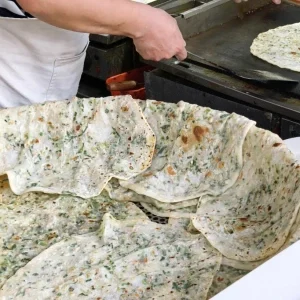
A traditional Yiwu snack with a crisp, fragrant crust and hearty meat filling.
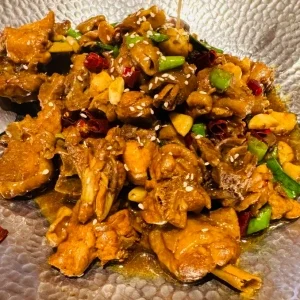
A common dish in local Yiwu restaurants, known for its tangy aroma and rich flavor.
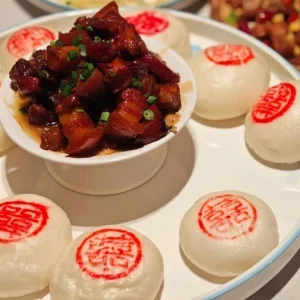
A simple and filling combination of staple bread and meat filling, good for breakfast or a quick meal.
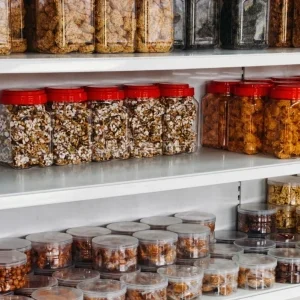
A traditional Yiwu specialty, suitable as a souvenir or dessert ingredient.
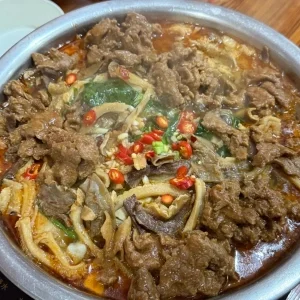
Rich, warming, and flavorful, this is a popular local snack and late-night food option.
The best time to visit Yiwu is usually March–May and September–November. During these periods, the weather is more comfortable, making it better for outdoor sightseeing and city walks. December to February can also work for low-season shopping and market visits, while June–August may be less comfortable because of the plum rain season, summer heat, humidity, and possible typhoon impacts.
Before visiting Yiwu, it is worth planning a few practical details in advance, including market opening hours, payment methods, mobile internet, transportation apps, and packing for the season. Some popular markets or trade fairs may have special opening arrangements, and certain services may work differently from what overseas visitors are used to.
Understanding Yiwu’s city layout can make trip planning much easier. This section gives a quick overview of where Yiwu is located in China and how its main streets and areas are generally arranged. For travelers, the most important areas are usually the city center, major transportation hubs, and the urban districts connected to major markets, night markets, and commercial areas.
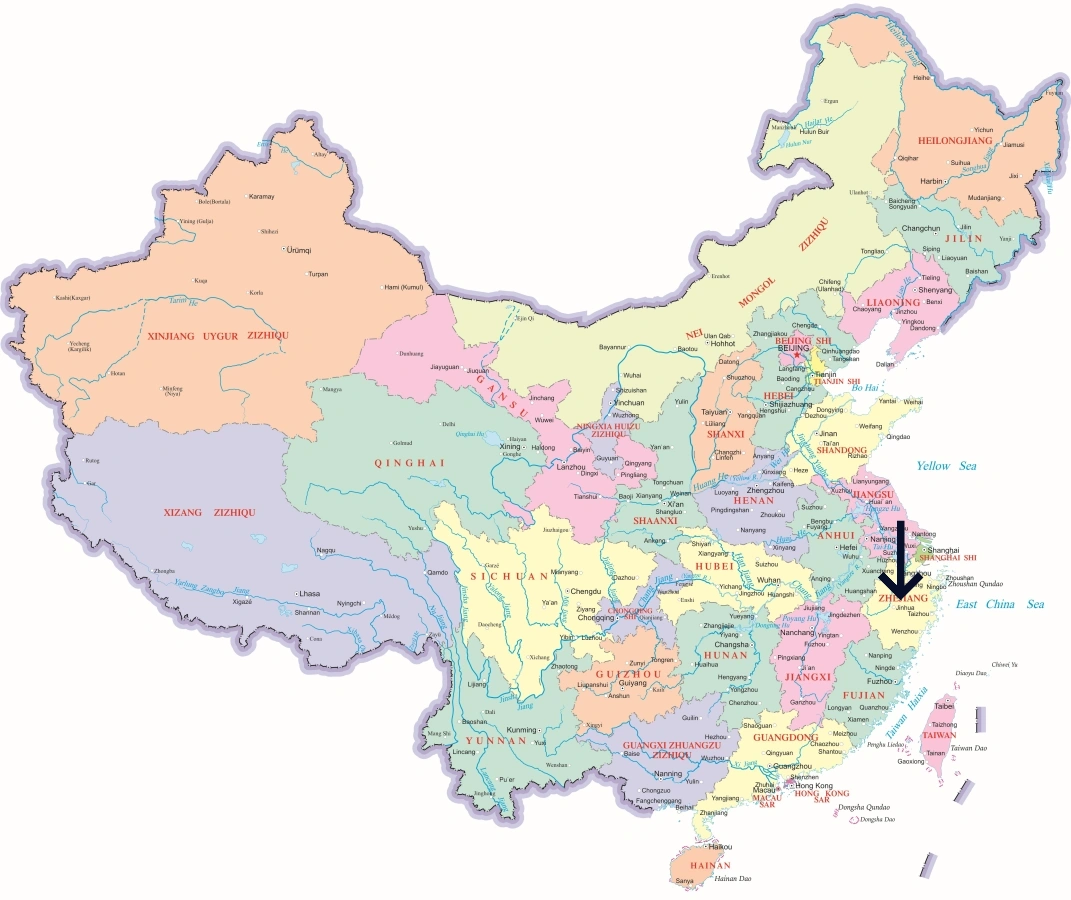
Yiwu is located in East China and is part of Jinhua City in Zhejiang Province. It is near Jinhua, Dongyang, Pujiang, Yongkang, Hangzhou, Shaoxing, and Taizhou, and is connected to other major Chinese cities by air, high-speed rail, and expressways. Thanks to its location and strong trade transportation links, Yiwu is also a convenient starting point for trips to Hengdian World Studios, Jinhua Shuanglong Cave, Luzhai Residence in Dongyang, Fotang Ancient Town, and short routes in central Zhejiang.
Yiwu is made up of several subdistricts and towns, but travelers do not need to know each one in detail. For most itineraries, it is more useful to focus on the areas where major attractions, hotels, restaurants, shopping districts, the airport, and railway station are located.
Areas travelers should pay attention to include:
Yiwu covers a total area of about 1,105 square kilometers and has a permanent resident population of about 1.94 million. Because the city’s administrative area includes the central city, market districts, industrial zones, areas around the airport, and some towns, travelers should focus on distances between Yiwu International Trade City, Yiwu Railway Station, Yiwu Airport, and popular downtown attractions when planning accommodation and transportation.
Approximate populations of the main areas are as follows:
Yiwu’s postal code and telephone area code are commonly used for mailing documents, filling in hotel information, food delivery, local contact details, and some online forms. Yiwu’s telephone area code is generally 0579, and 322000 can usually be used as a city-level postal code reference.
If you need an exact postal code, such as for mailing documents, receiving items at a hotel, or online shopping, look it up based on the specific street or full address rather than relying only on the city-level postal code.
Yes. Yiwu is known for Yiwu International Trade City, Santing Road Night Market, and its diverse food culture, making it ideal for trade sourcing travelers, city sightseers, and night-market food lovers. If this is your first trip to China, or if you want to experience China’s small-commodity markets, an international trade atmosphere, and urban life in central Zhejiang, Yiwu is usually well worth adding to your itinerary.
In general, 1–2 days is recommended for Yiwu. If you have limited time, one day can cover the core attractions. If you want a more relaxed trip with food experiences and nearby day trips, plan for 2–3 days.
Yiwu is mainly known for Yiwu International Trade City, small-commodity markets, Santing Road Night Market, and its international trade atmosphere. For travelers, the most representative experiences usually include exploring Yiwu International Trade City, visiting Santing Road Night Market in the evening, and trying both local and international foods such as Middle Eastern dishes, Donghe meat pie, and Shangxi beef offal.
The best things to experience in Yiwu include Yiwu International Trade City, Huangyuan Garment Market, Santing Road Night Market, 1970 Cultural and Creative Park, and Yiwu food. For a first visit, prioritize the most representative sights, then add neighborhood walks, food experiences, or nearby day trips depending on your schedule.
For a first trip to Yiwu, staying near Santing Road Night Market or Yiwu International Trade City is usually the most convenient choice because transportation is easy and major attractions and restaurants are relatively accessible. If you care more about nightlife, shopping, airport access, or a quieter environment, you can also consider areas near Yiwu Railway Station, Huangyuan Market, Yiwu Tiandi, or the Binwang commercial area.
The best time to visit Yiwu is usually March–May and September–November. During these periods, the weather is more comfortable, making it better for outdoor sightseeing and walking around the city. December to February can also work for low-season shopping and market visits, but June–August may be less comfortable because of the plum rain season, summer heat, humidity, and possible typhoon impacts.
The easiest ways to get around Yiwu are usually buses, taxis, and ride-hailing services. Yiwu currently does not have an urban metro system. For airport or train station transfers, nighttime travel, or trips with large luggage, taxis or ride-hailing services are convenient. For suburban attractions, you may need to combine high-speed rail, intercity coaches, private car hire, transfer services, or local tour groups.
When visiting Yiwu, try Donghe meat pie, Shangxi beef offal, Yiwu brown sugar, and Middle Eastern food. These foods represent both Yiwu’s local dining culture and its international trade-city character. Some are best enjoyed in time-honored restaurants, while others are better experienced in local neighborhoods, night markets, areas around the trade city, or traditional markets.
Yiwu is generally suitable for first-time visitors to China, especially if you are interested in small-commodity markets, urban commercial ecosystems, or diverse food culture. Before your trip, prepare payment methods, mobile internet, maps, and translation tools, and check the opening hours of markets, trade fairs, or popular areas.
Some popular Yiwu attractions or venues may require advance reservations or confirmation of opening hours, especially during trade fairs, public holidays, and peak travel season. Before you go, check opening hours, entry rules, and transportation arrangements. It is best to confirm the operating status of Yiwu International Trade City, Huangyuan Garment Market, 1970 Cultural and Creative Park, and popular night markets a few days in advance.
Good day-trip or short-trip destinations from Yiwu include Hengdian World Studios, Jinhua Shuanglong Cave, and Fotang Ancient Town. If the destination is farther away, confirm travel times in advance and consider high-speed rail, direct buses, private car hire, or local day-tour products.
Travel costs in Yiwu depend on where you stay, where you eat, how you get around, and how much you shop. In general, staying near Yiwu International Trade City, Santing Road Night Market, or popular commercial districts will be more convenient but more expensive. If you are traveling on a budget, consider areas near Yiwu Railway Station, outside the old city core, or other well-connected non-core areas, and use public transportation and local restaurants more often.
Explore detailed travel guides for China’s most popular cities, covering attractions, local food, accommodations, and transportation tips.
Official WeChat Mini Program
Copy the official WeChat Mini Program link, then paste it into the WeChat search bar to open it:
1. Copy the Mini Program link
2. Open WeChat and go to the search bar
3. Paste the link and open the Mini Program
English (US)