

Hefei Travel Guide

Hefei is one of China’s most distinctive travel destinations for Jianghuai culture, known for its Chaohu Lake scenery, Bao Zheng heritage, and modern innovation-driven city atmosphere. This guide covers Hefei’s top attractions, recommended itineraries, best areas to stay, transportation options, local food, best time to visit, maps, and practical travel tips to help you plan a smoother trip to Hefei.

At a Glance

  • Known for: Chaohu Lake scenery, Bao Park and Bao Zheng culture, Sanhe Ancient Town, Anhui Museum, Lei Street night market
  • Recommended stay: 2–3 days
  • Best time to visit: Spring and autumn, especially March–May and September–November
  • Local food: Luzhou roast duck, Wushan tribute goose, Sanhe rice dumplings, Xiatang sesame flatbread, old hen soup
  • Best for: History and culture trips, weekend getaways, family museum visits, food and night market experiences, and relaxing lakeside travel around Chaohu Lake

Things to Do in Hefei

Hefei’s travel experience is usually centered around Jianghuai history and culture, the natural scenery of Chaohu Lake, urban parks, and local food and nightlife. For first-time visitors, it’s best to start with the city’s most iconic attractions and experiences, then add neighborhood walks, museums, food spots, night views, or nearby day trips depending on how long you stay.

Chaohu Lake

Hefei’s most iconic natural landmark, ideal for lake views, cycling, sunset photography, and nearby short trips.
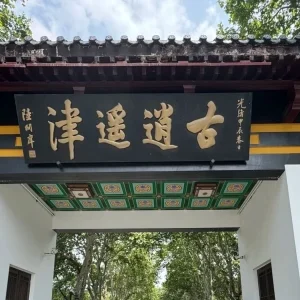
Xiaoyaojin Park

A historic city park connected to stories from the Three Kingdoms era, great for relaxed walks and learning about Hefei’s history.
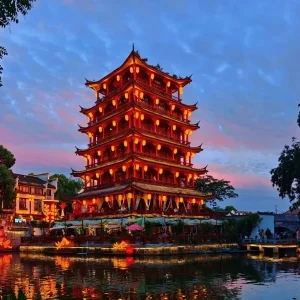
Sanhe Ancient Town

A traditional Jianghuai water town with old bridges, historic streets, and local snacks, perfect for a day trip.
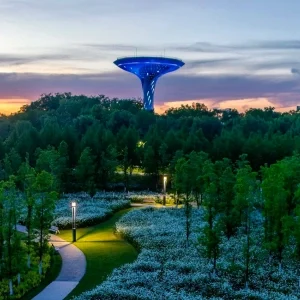
Luogang Central Park

A large urban park redeveloped from the city’s former airport, ideal for cycling, family outings, and leisure time.

Bao Park

A historical and cultural area centered on Bao Zheng culture, where visitors can explore Bao Gong Temple, Bao Gong Tomb, and Qingfeng Pavilion.
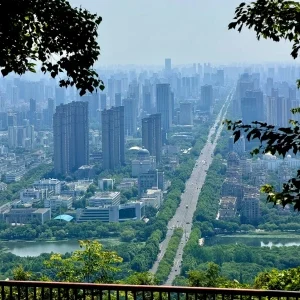
Dashu Mountain

A mountain park in western Hefei, suitable for hiking, viewpoints, and city panoramas.
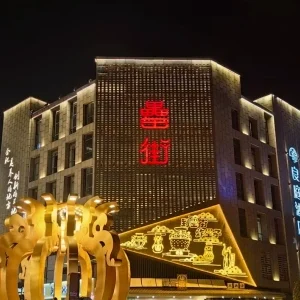
Lei Street

Hefei’s most popular food and nightlife district, ideal for dinner, late-night snacks, and experiencing local nightlife.
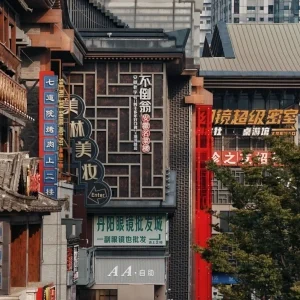
Huaihe Road Pedestrian Street

A traditional shopping district perfect for shopping, dining, and visiting the former residence of Li Hongzhang.
Suggested Hefei Itinerary

Travel itineraries in Hefei can range from quick highlights trips to classic sightseeing routes and deeper explorations depending on how long you stay. If it’s your first visit, it’s recommended to focus on Bao Park, Huaihe Road Pedestrian Street, Li Hongzhang Former Residence, Anhui Museum, and Lei Street first, then add museums, urban parks, or a day trip to Sanhe Ancient Town based on your schedule.

The following Hefei itineraries are designed for first-time visitors. You can adjust the order depending on your flight or high-speed rail schedule, hotel location, and interests. During holidays or peak travel periods, leave extra buffer time for reservations and crowds.

2 Days / 1 Night

Ideal for a weekend getaway focused on Hefei’s old city culture, museums, and night market food

  • Day 1: Arrive at Hefei South Railway Station / Hefei Railway Station → Bao Park → Xiaoyaojin Park → Li Hongzhang Former Residence → Huaihe Road Pedestrian Street → Late-night food at Lei Street
  • Day 2: Anhui Museum (Shushan Branch) → Swan Lake / Hefei Grand Theater exterior → Hecai 1972 / Lei Street / additional time on Huaihe Road → Return from Hefei South Railway Station

3 Days / 2 Nights

Ideal for travelers wanting a more complete Hefei experience, combining history, science and culture venues, urban parks, and modern landmarks

  • Day 1: Bao Park → Bao Gong Temple → Huaihe Road Pedestrian Street → Li Hongzhang Former Residence → Xiaoyaojin Park → Hecai 1972 → Lei Street
  • Day 2: Anhui Celebrities Museum → Anhui Science and Technology Museum → Anhui Art Museum → Crossing-the-Yangtze Campaign Memorial → Hefei Binhu National Forest Park → Luogang Central Park
  • Day 3: Xinliangcang → Swan Lake → Hefei “Three-Piece Suite” skyline → Anhui Museum → Anhui Geological Museum → Hefei Art Museum → Huiyuan Garden

Where to Stay in Hefei

For first-time visitors, the most recommended area to stay is usually near Huaihe Road Pedestrian Street or Bao Park, since transportation is convenient, major attractions are easy to reach, and there are plenty of hotel options. If you care more about nightlife, food, shopping, quieter surroundings, or easier airport/train station access, you can also consider areas near Lei Street, Swan Lake, or Hefei South Railway Station.

  • Near Huaihe Road Pedestrian Street / Bao Park: Best for first-time visitors who want easy access to Hefei’s old city attractions, shopping, and dining. This area offers a high concentration of sights, plenty of restaurants, and convenient metro and taxi connections. It’s especially convenient for visiting Bao Park, Li Hongzhang Former Residence, Xiaoyaojin Park, and Huaihe Road Pedestrian Street, making it ideal for weekend trips or short stays.
  • Near Swan Lake: Best for business travelers, family trips, and visitors who enjoy modern cityscapes. This area features the Hefei Grand Theater, urban parks, shopping malls, and many mid-range to upscale hotels. If you prefer a quieter environment with more modern accommodations and attractive night views, this is a strong choice.

How to Get to and Around Hefei

Most travelers reach Hefei by plane or high-speed rail. The city is mainly served by Hefei Xinqiao International Airport, along with major railway stations such as Hefei South Railway Station, Hefei Railway Station, and Hefei West Railway Station. If you are traveling from nearby cities or destinations connected by China’s high-speed rail network—such as Nanjing, Shanghai, Hangzhou, Wuhan, Zhengzhou, or Changsha—high-speed rail is usually the most convenient and predictable option.

From Hefei Xinqiao International Airport to the city center, you can choose airport express services, taxis, ride-hailing apps, airport buses, or combinations with metro and local buses depending on your route. The best option depends on your arrival time, luggage, hotel location, and budget. Hefei’s main commercial airport is currently Hefei Xinqiao International Airport, so when booking hotels or transfers, simply confirm that the airport listed is “Xinqiao Airport.”

Hefei has multiple railway stations, and different stations may serve different high-speed rail or conventional rail routes. Before booking tickets, carefully confirm both departure and arrival stations, since travel times between Hefei South, Hefei Railway Station, and Hefei West can vary significantly.

Within Hefei, the metro system is usually the most convenient and reliable way to get around. Taxis and ride-hailing services are useful for nighttime travel, carrying large luggage, or reaching places not directly connected by metro. If you plan to visit suburban destinations such as Sanhe Ancient Town, Chaohu Lake, Laoshan Island, or Zipeng Mountain, you may need to combine intercity rail, buses, private transfers, charter cars, or local tours depending on the destination.

What to Eat in Hefei

Hefei is an excellent city for exploring Jianghuai cuisine, with everything from classic regional dishes to street snacks and local restaurants offering distinctive flavors. First-time visitors should prioritize signature specialties such as Sanhe rice dumplings, Bao Gong fish, and Chaohu silver fish. Some dishes are easy to find near major attractions and commercial areas, while others are best experienced in local neighborhoods, long-established restaurants, or traditional markets.

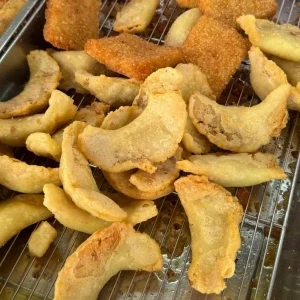
Sanhe Rice Dumplings

A signature snack from Sanhe Ancient Town with a crispy outer layer and savory filling, perfect for enjoying while walking through the old town.
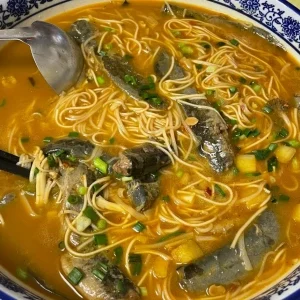
Loach Noodle Soup

A traditional Hefei noodle dish featuring fresh, flavorful broth and a comforting homemade taste, ideal for travelers who want to try authentic local flavors.
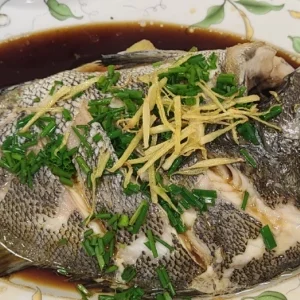
Bao Gong Fish

A classic Hefei-style fish dish known for its tender meat and rich savory sauce, carrying strong local culinary heritage.

Hefei Sesame Pastry

A traditional baked pastry snack with a flaky crust and sweet filling, commonly bought as a local gift or souvenir.
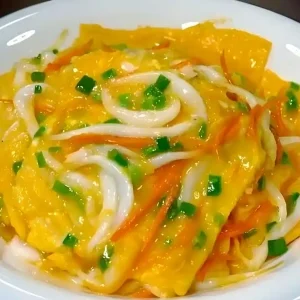
Chaohu Silver Fish

A specialty seafood ingredient from Chaohu Lake with delicate texture, often stir-fried, served in soups, or prepared in local-style dishes.
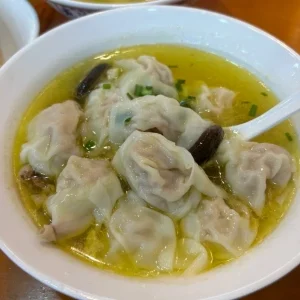
Mushroom Chicken Dumplings

A traditional Hefei dim sum dish combining chicken and shiitake mushroom flavors with a delicate, savory texture.
Best Time to Visit Hefei

The best time to visit Hefei is usually during spring and autumn, when the weather is milder and more comfortable for outdoor sightseeing and city walks. Early summer and early winter can also be pleasant, while midsummer and the damp winter season may feel less comfortable because of heat, humidity, rain, or cold weather.

  • January: Average temperatures around 30°F–45°F (-1°C–7°C). Cold and relatively dry with occasional rainy days. Good for museums, old city districts, and indoor attractions, but warm clothing is essential.
  • February: Average temperatures around 34°F–46°F (1°C–8°C). Still chilly with occasional damp cold weather. Suitable for cultural trips, though transportation and hotel prices may rise around Lunar New Year.
  • March: Average temperatures around 41°F–57°F (5°C–14°C). Warming up but with noticeable temperature swings. Great for parks and walking tours; bring layers for mornings and evenings.
  • April: Average temperatures around 52°F–70°F (11°C–21°C). Mild and humid weather ideal for Bao Park, Sanhe Ancient Town, and Chaohu Lake trips. Carry rain gear just in case.
  • May: Average temperatures around 63°F–81°F (17°C–27°C). Warmer weather suitable for sightseeing, museums, and night markets. Sun protection is recommended.
  • June: Average temperatures around 70°F–84°F (21°C–29°C). Hot and rainy, often entering the plum rain season. Indoor attractions and evening food tours work best. Bring rain gear and prepare for humidity.
  • July: Average temperatures around 77°F–90°F (25°C–32°C). Hot and humid. Good for indoor family attractions, night markets, and relaxed schedules, while avoiding midday heat.
  • August: Average temperatures around 77°F–90°F (25°C–32°C). Very hot and humid with possible afternoon thunderstorms. Evening park visits and food outings are recommended; stay hydrated.
  • September: Average temperatures around 68°F–82°F (20°C–28°C). Cooler and more comfortable. Great for Chaohu Lake, parks, and neighborhood walks, though early autumn sun can still be strong.
  • October: Average temperatures around 57°F–73°F (14°C–23°C). Comfortable autumn weather with clear skies, ideal for most outdoor activities. Expect heavier crowds during China’s National Day holiday.
  • November: Average temperatures around 45°F–61°F (7°C–16°C). Cooler weather suitable for slower-paced travel, museums, ancient towns, and urban sightseeing. Layered clothing is helpful.
  • December: Average temperatures around 34°F–50°F (1°C–10°C). Cold and relatively dry. Good for indoor cultural experiences and food trips, but windproof winter clothing is recommended.

Essential Hefei Travel Tips

Before traveling to Hefei, it’s a good idea to plan a few practical details in advance, including attraction reservations, payment methods, mobile internet access, transportation apps, and weather-appropriate packing. Some popular attractions may require advance reservations or ticket bookings, and certain services may work differently from what international travelers are used to.

  • Attraction Reservations: Popular sites such as Anhui Museum, Anhui Science and Technology Museum, the Crossing-the-Yangtze Campaign Memorial, some venues inside Bao Park, and Li Hongzhang Former Residence may require reservations during holidays and peak seasons. Check opening hours and ticket rules before your trip.
  • Payment Methods: Mobile payments are widely used across mainland China. It’s recommended to prepare compatible payment methods in advance while also carrying some backup cash or bank cards.
  • Mobile Internet: If you plan to use maps, translation tools, ride-hailing apps, or ticket services, prepare an eSIM, SIM card, or another stable internet solution before arrival.
  • Transportation Apps: Map, metro, ride-hailing, and translation apps are especially useful in Hefei, particularly when transferring between railway stations, airports, or suburban attractions.
  • Travel Timing: Rush hours and holidays can bring heavier crowds. It’s best to visit major attractions in the morning and leave extra time for cross-city transportation.
  • Packing and Clothing: Hefei experiences noticeable seasonal weather changes. Light jackets are useful in spring and autumn, summer requires sun and rain protection, and winter calls for warm clothing. Comfortable walking shoes are recommended year-round.

Hefei Maps

Understanding Hefei’s city layout can make trip planning much easier. This section provides a quick overview of Hefei’s location within China and the distribution of its main districts. For travelers, the most important areas are usually the city center, major transportation hubs, and the districts or suburbs connected to popular attractions.

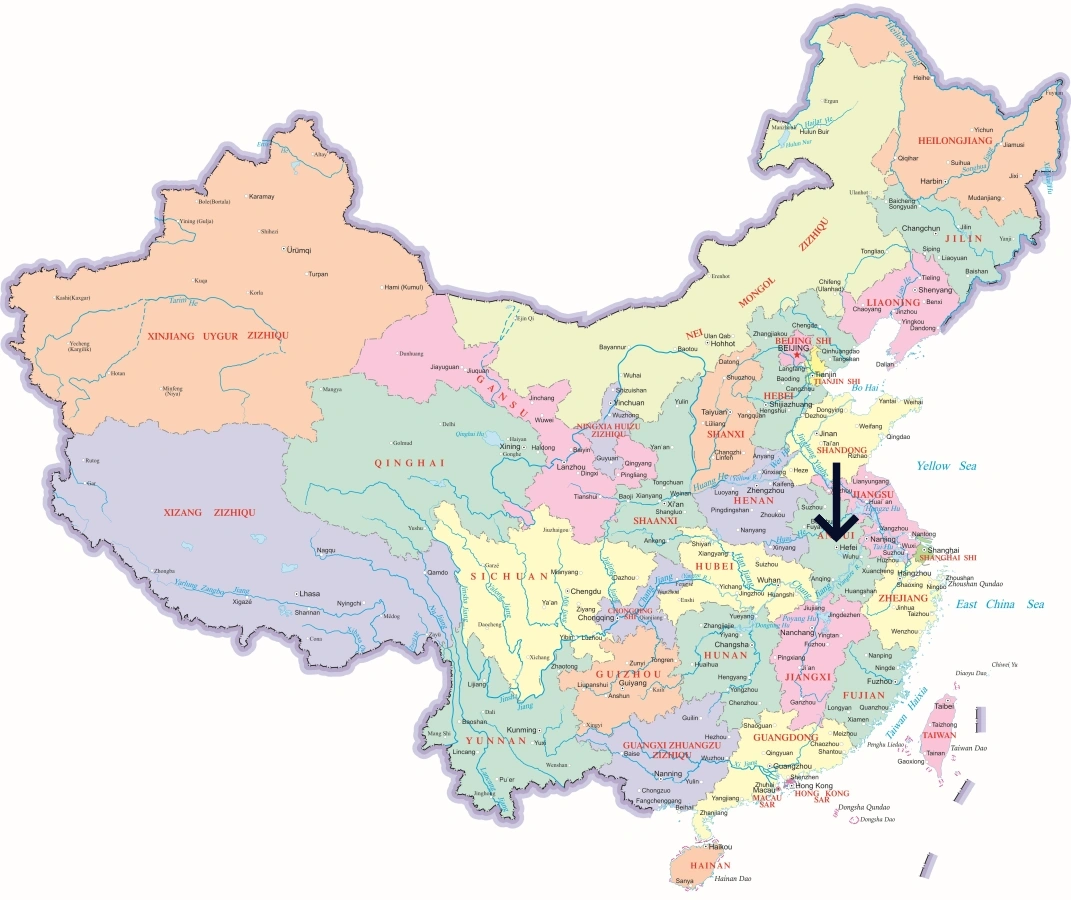
Where is Hefei in China?

Hefei is located in eastern China and serves as the capital of Anhui Province. It lies in central Anhui between the Yangtze River and the Huai River, close to cities such as Nanjing, Wuhu, Lu’an, Huainan, and Chuzhou. Hefei is well connected to other major Chinese cities through air travel, high-speed rail, and expressways. Thanks to its location and transportation network, Hefei also works well as a travel base for nearby destinations such as Sanhe Ancient Town, Chaohu Lake, Mount Jiuhua, Huangshan, and Nanjing.

Hefei location map in China

Hefei District Map

Hefei consists of several administrative districts, though travelers do not need to understand every district in detail. For most trips, it is more useful to focus on where the main attractions, hotels, restaurants, shopping areas, airports, and railway stations are located.

The districts most relevant to travelers include:

  • Luyang District: Best for old city culture, Huaihe Road Pedestrian Street, Li Hongzhang Former Residence, and Xiaoyaojin Park.
  • Baohe District: Best for Bao Park, Lei Street, Hefei South Railway Station, Binhu New District, and Chaohu Lake routes.
  • Shushan District: Best for Anhui Museum, Dashu Mountain, Swan Lake, Hefei’s government district, and business accommodations.
  • Yaohai District: Best for transportation connections around Hefei Railway Station, eastern old city accommodations, and local lifestyle experiences.
  • Feixi County: Best for day trips to Sanhe Ancient Town, Zipeng Mountain, and surrounding attractions.

Basic Information About Hefei

Area and Population

Hefei covers an area of approximately 11,445 square kilometers (4,419 square miles) and has a permanent population of about 10 million residents. Since the city area includes downtown districts, suburbs, and some rural townships, travelers should pay closer attention to distances between the city center, transportation hubs, and major attractions when planning accommodations and transportation.

Approximate population figures for the major districts include:

  • Baohe District: About 1.34 million residents, home to many travel resources such as Hefei South Railway Station, Bao Park, Lei Street, and Binhu New District.
  • Shushan District: More than 1 million residents, home to Anhui Museum, Dashu Mountain, Swan Lake, and Hefei’s administrative and business center.
  • Yaohai District: About 901,000 residents, known for Hefei Railway Station, transportation links, commerce, and local urban life.
  • Luyang District: About 744,000 residents, considered the traditional old city core and ideal for historical and commercial sightseeing.
  • Feixi County: About 1.01 million residents, including nearby destinations such as Sanhe Ancient Town and Zipeng Mountain.

Hefei’s postal codes and area code are commonly used for mailing documents, filling in hotel information, food delivery, local contact information, and certain online forms. Hefei’s telephone area code is generally 0551, and the city-level postal code is usually 230000.

If you need an accurate postal code for mailing documents, hotel deliveries, or online shopping, it’s best to check the specific street or address rather than relying only on the city-wide postal code.

Hefei Travel Guide FAQ

Is Hefei worth visiting?

Yes. Hefei is known for its Chaohu Lake scenery, Jianghuai historical culture, city parks, and local food experiences. It’s well suited for weekend travelers, history lovers, and families. If you are visiting China for the first time or want to experience a provincial capital that combines traditional culture, museums, and a modern urban atmosphere, Hefei is definitely worth adding to your itinerary.

Most travelers should plan to spend 2–3 days in Hefei. If your schedule is limited, 2 days and 1 night are enough for the core attractions. If you want a slower-paced experience with more food exploration and nearby day trips, 3–4 days is recommended.

Hefei is best known for Bao Zheng culture, Chaohu Lake scenery, Jianghuai cuisine, and its reputation as a center for science, technology, and education. For travelers, the most iconic experiences usually include visiting Bao Park and Li Hongzhang Former Residence, exploring Anhui Museum, experiencing Lei Street night market, and taking day trips to Sanhe Ancient Town or Chaohu Lake.

The top experiences in Hefei include Bao Park, Anhui Museum, Sanhe Ancient Town, Chaohu Lake, and the nightlife and food scene at Lei Street. First-time visitors should focus on these iconic highlights first, then add neighborhood walks, local food experiences, or nearby day trips depending on their schedule.

For first-time visitors, staying near Huaihe Road Pedestrian Street or Bao Park is usually the most convenient choice because transportation, restaurants, and major attractions are easy to access. If you prioritize nightlife, shopping, airport connections, or a quieter environment, areas near Lei Street, Swan Lake, or Hefei South Railway Station are also good options.

The best time to visit Hefei is generally during spring and autumn, especially from March to May and September to November, when temperatures are milder and more comfortable for outdoor sightseeing and city walks. Early summer and early winter can also work well, while midsummer and the damp winter season may feel less comfortable because of heat, humidity, or cold weather.

The most convenient way to get around Hefei is usually a combination of metro and ride-hailing services. The metro system connects railway stations, commercial districts, and major urban areas efficiently. Taxis and ride-hailing apps are useful for airport transfers, late-night trips, or carrying large luggage. For suburban attractions, you may need to combine metro, buses, intercity rail, charter cars, or local tours.

When visiting Hefei, be sure to try Luzhou roast duck, Wushan tribute goose, Sanhe rice dumplings, and Xiatang sesame flatbread. These dishes represent the region’s local food culture well. Some are best enjoyed at traditional long-established restaurants, while others are more suited to local neighborhoods, snack streets, or traditional markets.

Hefei is generally a good destination for first-time visitors to China, especially if you are interested in daily life in a Chinese provincial capital, Jianghuai culture, or local food and night markets. Before your trip, it’s recommended to prepare payment methods, internet access, maps, and translation tools, and to check whether popular attractions require reservations.

Some popular attractions in Hefei may require advance reservations or ticket bookings, especially on weekends, holidays, and during peak travel seasons. Before visiting, check opening hours, ticket policies, and entry requirements. Popular venues such as Anhui Museum, Anhui Science and Technology Museum, the Crossing-the-Yangtze Campaign Memorial, and Li Hongzhang Former Residence are best confirmed several days ahead.

Popular day trips from Hefei include Sanhe Ancient Town, Chaohu Lake and Laoshan Island, and Zipeng Mountain. For destinations farther away, Mount Jiuhua, Nanjing, and Wuhu are also possible options, though it’s best to confirm travel times in advance and choose high-speed rail, direct buses, private transfers, or organized day tours whenever possible.

Travel costs in Hefei depend on your accommodation area, restaurant choices, transportation style, and attraction tickets. Staying in the city center or major commercial districts is usually more convenient but also more expensive. Travelers on a tighter budget can stay in well-connected non-central areas and rely more on public transportation and local restaurants. Overall, Hefei is generally more affordable than China’s major first-tier tourist cities, making it a good destination for weekend trips and mid-range travel budgets.

Official WeChat Mini Program

Copy the official WeChat Mini Program link, then paste it into the WeChat search bar to open it:

1. Copy the Mini Program link

2. Open WeChat and go to the search bar

3. Paste the link and open the Mini Program