
Lijiang Travel Guide

Lijiang is one of China's most distinctive travel destinations for highland old towns, Naxi culture, snow mountains, and lakes. It is best known for Lijiang Old Town, Jade Dragon Snow Mountain, and Lugu Lake. This guide introduces Lijiang's must-visit attractions, suggested itineraries, best areas to stay, transportation, local food, best time to visit, map information, and practical travel tips to help you plan a smoother trip to Lijiang.

At a Glance

  • Known for: Lijiang Old Town, Jade Dragon Snow Mountain, Lugu Lake, Baisha Old Town, and Blue Moon Valley
  • Recommended stay: 3–5 days
  • Best time to visit: Spring, March–May, and fall, September–November
  • Local food: Grilled tofu, Dongba grilled fish, jidou jelly, flower cakes, and crossing-the-bridge rice noodles
  • Best for: Slow travelers who enjoy old towns, snow mountain scenery lovers, photography travelers, ethnic culture travelers, couples, and first-time visitors to Yunnan

Things to Do in Lijiang

Lijiang's travel experience usually centers on Naxi old-town culture, snow mountain scenery, highland lakes, and a slow-paced neighborhood lifestyle. For a first visit, it is best to start with the city's most iconic attractions and experiences, then add neighborhood walks, museums, food stops, night views, or nearby day trips depending on how much time you have.

Lijiang's most iconic historic district, known for stone-paved lanes, waterways, wooden buildings, and a strong Naxi cultural atmosphere.

Lijiang's classic natural landmark, suitable for snow mountain views, Blue Moon Valley, and highland scenery.

Lugu Lake

A highland lake on the border of Lijiang and Sichuan, known for lake-and-mountain views and Mosuo culture.

Zhongyi Market

A lively local market in Lijiang, good for breakfast, fruit shopping, and experiencing everyday local life.

Baisha Old Town

A quieter Naxi old town than Lijiang Old Town, suitable for cafés, handmade craft shops, and distant views of the snow mountain.

Lion Hill

A viewpoint beside Lijiang Old Town, good for overlooking the old town rooftops and seeing Jade Dragon Snow Mountain in the distance.
Suggested Lijiang Itinerary

Lijiang itineraries can be planned in several ways depending on your length of stay, from a short highlights trip to a classic route or a deeper experience. For first-time visitors, it is best to build your core itinerary around Lijiang Old Town, Baisha Old Town, and Jade Dragon Snow Mountain, then add Lugu Lake, Shuhe Old Town, or a short trip to Shangri-La if time allows.

The following Lijiang itinerary is suitable for first-time visitors. You can adjust the order based on your flight or high-speed rail schedule, hotel location, and interests. During holidays or when popular attractions require advance reservations, it is best to leave more flexibility in your schedule.

3-day, 2-night route

This route is suitable for first-time visitors to Lijiang. It covers old-town walks, Baisha Old Town, Yuhu Village, night market food, and Jade Dragon Snow Mountain in a short amount of time. The pace is not too rushed and can be adjusted based on your energy level.

  • Day 1: Arrive in Lijiang → Stroll around Lijiang Old Town
  • Day 2: Baisha Old Town → Longnv Lake in Yuhu Village → Zhongyi Night Market
  • Day 3: Jade Dragon Snow Mountain day trip, including Yak Meadow → Spruce Meadow → Blue Moon Valley → Leave Lijiang

Where to Stay in Lijiang

For first-time visitors to Lijiang, the area just outside the North Gate or South Gate of Lijiang Old Town is usually the most recommended place to stay because transportation is convenient, major attractions are easy to reach, and hotel choices are relatively plentiful. If the old-town atmosphere, nightlife, food, a quieter environment, or access to the airport and train station matters more to you, you can also choose areas such as inside Lijiang Old Town, Shuhe Old Town, or Baisha Old Town based on your itinerary.

  • Inside Lijiang Old Town: Best for travelers who enjoy the old-town atmosphere, night views, bars, and a walkable experience. The advantage is staying in the heart of the old town, with convenient access to Sifang Street, Mufu Palace, Lion Hill, Zhongyi Market, and old-town dining streets. It is suitable for travelers who want an immersive old-town stay.
  • Near the North Gate or South Gate of Lijiang Old Town: Best for first-time visitors to Lijiang, travelers with luggage, and those who need to take taxis or join day tours. The advantage is easier access in and out of the old town, simpler vehicle pickup and luggage handling, and convenient access to Lijiang Old Town, Zhongyi Market, Jade Dragon Snow Mountain meeting points, and railway station transfers. It is suitable for travelers who value transport convenience and good value for money.

How to Get to and Around Lijiang

Most travelers reach Lijiang by plane or bullet train. Lijiang is mainly served by Lijiang Sanyi International Airport for air travel, and it also has Lijiang Railway Station as its main rail hub. If you are coming from nearby cities such as Kunming, Dali, or Shangri-La, bullet trains or intercity transport are usually convenient and fairly predictable options.

From Lijiang Sanyi International Airport to the city center, you can take an airport bus, a taxi, a ride-hailing car, or a hotel transfer. The best choice depends on your arrival time, luggage, hotel location, and budget. Lijiang's main civil aviation airport is currently Lijiang Sanyi International Airport, so before booking a hotel transfer or pickup service, confirm whether you are arriving at the airport or the railway station. In general, Lijiang Sanyi International Airport is best for visitors flying into Lijiang, while Lijiang Railway Station is more suitable for travelers arriving by bullet train from Kunming, Dali, and nearby areas.

Lijiang's railway transport mainly centers on Lijiang Railway Station, so check your arrival station and arrival time carefully before buying tickets. Lijiang Railway Station is some distance from Lijiang Old Town, so allow local transfer time when heading to the old town, Shuhe Old Town, Baisha Old Town, or your hotel.

For sightseeing within Lijiang, taxis, ride-hailing cars, buses, scenic area shuttles, and private transfers are usually more commonly used than the metro. Lijiang currently does not have a metro system covering the main attractions, and sights such as Jade Dragon Snow Mountain, Baisha Old Town, and Lugu Lake are relatively spread out, so allow enough travel time when moving between areas. Taxis and ride-hailing cars are useful for nighttime travel, large luggage, or places not directly served by public transportation. If you plan to visit Lugu Lake, Shangri-La, or nearby attractions, you can choose bullet trains, long-distance buses, private transfers, pickup services, or local tours depending on your destination.

What to Eat in Lijiang

Lijiang is a great place to try Naxi flavors, Yunnan snacks, and highland home-style dishes. From classic local dishes and street snacks to neighborhood restaurants, the city has a very distinctive food scene. First-time visitors should start with signature foods such as grilled tofu, Dongba grilled fish, and jidou jelly. Some foods are easy to find near popular attractions and commercial areas, while others are better experienced in local neighborhoods, long-established restaurants, or traditional markets.

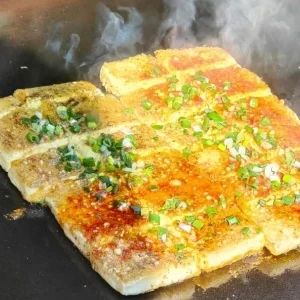
Grilled tofu

A common Yunnan snack with a lightly charred outside and soft, tender inside, often served with chili powder.
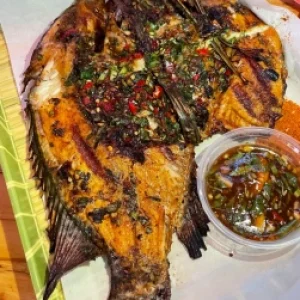
Dongba grilled fish

A Lijiang specialty dish made by grilling fish and serving it with spices and sauce for a savory, aromatic flavor.
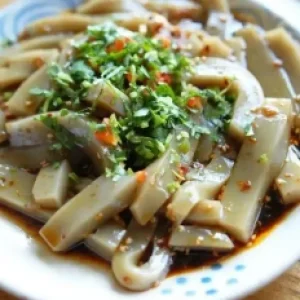
Jidou jelly

A Naxi-style snack with a smooth, tender texture. It can be served cold or stir-fried and is one of Lijiang's representative local snacks.

Flower cakes

A classic Yunnan pastry usually filled with rose petals, suitable as a local souvenir.

Crossing-the-bridge rice noodles

A representative Yunnan rice noodle dish with a rich, savory broth, suitable for lunch or a full meal.

Steamed rice cake

A common local rice-based snack in Lijiang with a soft, sticky texture, good for breakfast or a street snack experience.

Best Time to Visit Lijiang

The best time to visit Lijiang is usually spring, from March to May, and fall, from September to November. During these periods, the weather is relatively mild and there are more sunny days, making it better for outdoor sightseeing, old-town walks, and snow mountain visits. Winter can also be a good season for snow mountain views, while the summer rainy season may feel less comfortable due to frequent rain, slippery roads, and clouds or mist blocking the snow mountain scenery.

  • January: Average temperatures are around 0°C–15°C. The weather is dry and cold, with a clear temperature difference between day and night. It is suitable for old-town walks and snow mountain views, but watch for cold mornings and evenings and strong highland UV rays.
  • February: Average temperatures are around 2°C–17°C. The weather gradually warms up and daytime conditions are more comfortable. It is suitable for Lijiang Old Town, Baisha Old Town, and Jade Dragon Snow Mountain, but pay attention to Spring Festival crowds and hotel prices.
  • March: Average temperatures are around 5°C–20°C. The weather is mild and spring is noticeable. It is suitable for old-town walks, photography, and snow mountain views, but be prepared for temperature differences between morning and evening.
  • April: Average temperatures are around 8°C–23°C. The weather is comfortable, with more sunny days. It is suitable for Lijiang Old Town, Baisha Old Town, Yuhu Village, and Jade Dragon Snow Mountain, but sun protection and hydration are important.
  • May: Average temperatures are around 12°C–25°C. The weather is warm and generally comfortable before the rainy season. It is suitable for outdoor sightseeing and short trips nearby, but UV rays can be strong.
  • June: Average temperatures are around 15°C–25°C. Rainfall begins to increase. It is suitable for slow old-town travel and mixed indoor-outdoor itineraries, but bring rain gear and anti-slip shoes.
  • July: Average temperatures are around 16°C–24°C. The weather is not too hot, but rain is frequent. It is suitable for escaping the heat and relaxed old-town travel, but pay attention to slippery roads, mountain fog, and the need for flexible plans during the rainy season.
  • August: Average temperatures are around 15°C–24°C. It is still the rainy season, with relatively high humidity. It is suitable for summer escapes and slow-paced sightseeing, but watch for rain, muddy roads, and snow mountain visibility.
  • September: Average temperatures are around 13°C–23°C. Rainfall gradually decreases and the weather becomes more comfortable. It is suitable for Lijiang Old Town, Baisha Old Town, and Jade Dragon Snow Mountain, though rain gear is still recommended.
  • October: Average temperatures are around 8°C–21°C. The weather is fresh and clear, making it one of the best months to visit Lijiang. It is suitable for photography, snow mountain views, and old-town walks, but hotels should be booked early during the National Day holiday.
  • November: Average temperatures are around 3°C–18°C. The weather is relatively dry, and mornings and evenings become colder. It is suitable for Jade Dragon Snow Mountain, Lugu Lake, and Lijiang Old Town, but bring a jacket.
  • December: Average temperatures are around 0°C–15°C. The weather is dry and cold, and snow mountain views are often clearer. It is suitable for winter snow mountain sightseeing and low-season travel, but cold protection, moisturizing, and highland UV protection are important.

Essential Lijiang Travel Tips

Before traveling to Lijiang, it is helpful to plan a few practical details in advance, including reservations for popular attractions, payment methods, mobile internet, transportation apps, and clothing suitable for the season. Some popular attractions may require advance reservations or tickets, and some services may work differently from what overseas visitors are used to.

  • Attraction reservations: Popular attractions and experiences in Lijiang, such as Jade Dragon Snow Mountain, some exhibition halls in Lijiang Old Town, Lugu Lake, cableways, and popular day tours, may require advance reservations during holidays and peak seasons. Check opening hours and ticket rules before departure.
  • Payment methods: Mobile payment is widely used in mainland China. Prepare a usable payment method in advance, and keep a small amount of backup cash or a bank card.
  • Mobile internet: If you need maps, translation, ride-hailing, and ticket-booking services, prepare an eSIM, SIM card, or another stable internet option in advance.
  • Transportation apps: Map, ride-hailing, ticket-booking, and translation apps are very useful when traveling in Lijiang, especially when transferring between trains, airport transport, or visiting suburban attractions such as Jade Dragon Snow Mountain and Lugu Lake.
  • Travel timing: Morning and evening rush hours, as well as holidays, can be crowded. Cableways at Jade Dragon Snow Mountain and popular old-town streets may have queues, so it is best to visit popular attractions in the morning and leave extra time for moving across different areas.
  • Packing and clothing: Lijiang has a relatively high elevation, clear temperature differences between day and night, and strong UV rays. Pack a jacket, sun protection, sunglasses, a hat, rain gear, and comfortable walking shoes based on your travel month. If visiting Jade Dragon Snow Mountain, bring warmer clothing.

Lijiang Maps

Understanding Lijiang's city layout can make itinerary planning easier. This section briefly introduces where Lijiang is located in China and how its main administrative areas are generally distributed. For travelers, the most important areas are usually the city center, major transportation hubs, and the urban or suburban areas connected to popular attractions.

Where is Lijiang in China?

Lijiang is located in Southwest China and belongs to Yunnan Province. It is close to Dali, Shangri-La, Nujiang, and the direction of Liangshan in Sichuan, and is connected with other major Chinese cities by air, bullet train, and expressways. Thanks to its location and convenient transportation, Lijiang also works well as a starting point for trips to Jade Dragon Snow Mountain, Lugu Lake, Shangri-La, Tiger Leaping Gorge, and highland destinations in northwestern Yunnan.

Lijiang location map in China

Lijiang District Map

Lijiang is divided into several administrative areas, but travelers do not need to understand every area in detail. For most itineraries, it is more important to focus on the areas where major attractions, hotels, restaurants, shopping streets, the airport, and railway station are located.

The areas travelers should pay more attention to include:

  • Gucheng District: Best for visiting Lijiang Old Town, Zhongyi Market, Lion Hill, Shuhe Old Town, and the main accommodation and dining areas.
  • Yulong Naxi Autonomous County: Best for Jade Dragon Snow Mountain, Blue Moon Valley, Baisha Old Town, Yuhu Village, and the Lashihai area.
  • Ninglang Yi Autonomous County: Best for Lugu Lake, Mosuo cultural villages, and highland lake scenery.
  • Yongsheng County: Suitable for niche natural scenery, countryside leisure, and northern Lijiang extension routes.
  • Huaping County: Useful for understanding Lijiang's eastern county area and transport connections toward Panzhihua.
  • Around Lijiang Old Town: Best for first-time visitors, old-town night views, food, shopping, and day-tour pickup points.
Lijiang district map

Basic Information About Lijiang

Area and Population

Lijiang has a total area of about 20,600 square kilometers and a permanent resident population of about 1.25 million. Because the city includes central urban areas, old towns, mountains, lakes, and several counties, travelers should focus on the distances between the city center, major transport hubs, and popular attractions when planning where to stay and how to get around.

The approximate population of the main administrative areas is as follows:

  • Gucheng District: About 250,000 people. It is the area with the strongest concentration of Lijiang Old Town, major hotels and restaurants, transport transfers, and visitor services.
  • Yulong Naxi Autonomous County: About 220,000 people. It is where attractions such as Jade Dragon Snow Mountain, Blue Moon Valley, Baisha Old Town, Yuhu Village, and Lashihai are located.
  • Ninglang Yi Autonomous County: About 240,000 people. It is where the Lijiang side of Lugu Lake and Mosuo cultural experiences are relatively concentrated.
  • Yongsheng County: About 340,000 people. It is a county in northern Lijiang, mainly known for agriculture, countryside areas, and some less touristy natural scenery.
  • Huaping County: About 160,000 people. It is a county in eastern Lijiang, useful for routes connecting toward Panzhihua and regional transport.
  • Core downtown Lijiang: Population and tourism services are relatively concentrated here, making it one of the most convenient areas for accommodation, dining, shopping, and day-tour pickups.

Lijiang's postal code and telephone area code are usually used for mailing documents, filling in hotel information, food delivery, local contact details, and some online forms. Lijiang's telephone area code is generally 0888, and its general postal code is 674100.

If you need an accurate postal code for mailing documents, receiving items at a hotel, or online shopping, it is best to look it up based on the specific street or full address instead of using only the city-level postal code.

Lijiang Travel Guide FAQ

Is Lijiang worth visiting?

Yes. Lijiang is known for Lijiang Old Town, Jade Dragon Snow Mountain, and Lugu Lake. It is a good choice for slow travelers who enjoy old towns, snow mountain scenery lovers, and ethnic culture travelers. If it is your first time in China, or if you want to experience a highland old town in Yunnan, Naxi culture, and snow mountain and lake scenery, Lijiang is usually well worth adding to your itinerary.

In general, 3–5 days are recommended for Lijiang. If your time is limited, 2–3 days are enough to visit core attractions such as Lijiang Old Town, Baisha Old Town, and Jade Dragon Snow Mountain. If you want a more relaxed experience with local food, Lugu Lake, or a short trip to Shangri-La, 5–6 days would be better.

Lijiang is mainly known for Lijiang Old Town, Jade Dragon Snow Mountain, Naxi culture, and the highland scenery of Lugu Lake. For travelers, the most iconic experiences usually include walking through Lijiang Old Town, visiting Jade Dragon Snow Mountain and Blue Moon Valley, and experiencing a quieter Naxi lifestyle in Baisha Old Town.

The best things to experience in Lijiang include Lijiang Old Town, Jade Dragon Snow Mountain, Blue Moon Valley, Baisha Old Town, and Lugu Lake. For a first visit, it is best to start with the most representative sights, then add neighborhood walks, food experiences, or nearby day trips depending on your schedule.

For a first visit to Lijiang, staying near the North Gate or South Gate outside Lijiang Old Town is usually recommended because transportation is convenient and major attractions and restaurants are relatively easy to reach. If you care more about the old-town atmosphere, nightlife, shopping, airport transportation, or a quieter environment, you can also consider staying inside Lijiang Old Town, in Shuhe Old Town, or in Baisha Old Town.

The best time to visit Lijiang is usually spring, from March to May, and fall, from September to November. During these periods, the weather is relatively mild with more sunny days, making it better for outdoor sightseeing and city walks. Winter can also be considered, while the summer rainy season may affect travel comfort due to frequent rain, slippery roads, and clouds or mist blocking the snow mountain views.

The most convenient way to get around Lijiang is usually a combination of ride-hailing, taxis, buses, and scenic area shuttles. Lijiang does not have a metro system covering the main attractions. If you need to reach the airport, railway station, Jade Dragon Snow Mountain, Baisha Old Town, or carry large luggage, taxis or ride-hailing cars are useful. For suburban or nearby destinations such as Lugu Lake and Shangri-La, you may need to combine bullet trains, long-distance buses, private transfers, or local tours.

When visiting Lijiang, try grilled tofu, Dongba grilled fish, jidou jelly, and flower cakes. These foods represent local flavors well. Some are best enjoyed in old-town restaurants, while others are better experienced in local markets, snack streets, or traditional neighborhoods.

Lijiang is usually a good choice for first-time visitors to China, especially if you are interested in old-town neighborhoods, snow mountain scenery, or ethnic culture. Before departure, prepare payment methods, mobile internet, maps, and translation tools, and check whether popular attractions require reservations. Because Lijiang sits at a relatively high elevation, it is also important to rest properly, protect yourself from the sun, and keep a comfortable travel pace.

Some popular attractions in Lijiang may require advance reservations or tickets, especially on weekends, public holidays, and during peak travel seasons. For Jade Dragon Snow Mountain, cableways, Lugu Lake, some exhibition halls in Lijiang Old Town, and popular day tours, it is best to check opening hours, ticket rules, and entry requirements before departure. For popular sights, confirm the details several days in advance whenever possible.

Good day trips or short trips from Lijiang include Jade Dragon Snow Mountain, Baisha Old Town, and Tiger Leaping Gorge. If you have more time, you can also arrange a short trip to Lugu Lake or Shangri-La. If the destination is farther away, check transportation time in advance and consider using bullet trains, direct buses, private transfers, or local day tour products.

The cost of traveling in Lijiang depends on your hotel location, restaurant choices, transportation, and attraction tickets. In general, staying inside Lijiang Old Town, in snow mountain view hotels, or in the core areas of popular old towns is more convenient but usually costs more. If you are on a budget, you can choose areas outside the old town gates, around Shuhe, or non-core areas with good transport access, and use public transportation, local restaurants, and reasonably priced day tours more often. Overall, city travel in Lijiang is relatively manageable, but Jade Dragon Snow Mountain cableways, transport to Lugu Lake, private transfers, and peak-season accommodation can noticeably increase your budget.

Official WeChat Mini Program

Copy the official WeChat Mini Program link, then paste it into the WeChat search bar to open it:

1. Copy the Mini Program link

2. Open WeChat and go to the search bar

3. Paste the link and open the Mini Program