
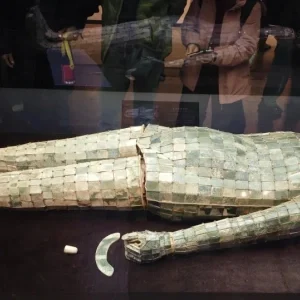
Shijiazhuang is one of China’s most distinctive destinations for Yan-Zhao history and provincial-capital city culture, known for Zhengding Ancient City, the Hebei Museum, and the revolutionary heritage of Xibaipo. This guide covers Shijiazhuang’s top attractions, recommended itineraries, best areas to stay, transportation options, local food, best times to visit, map information, and practical travel tips to help you plan a smoother trip.
Shijiazhuang’s travel experiences usually center on ancient cities and architecture, museum culture, revolutionary heritage sites, and local food. For a first visit, prioritize the city’s most representative attractions and experiences, then add neighborhood walks, museums, local dining, night views, or nearby day trips depending on your schedule.

One of Hebei’s most important comprehensive museums, ideal for learning about Yan-Zhao history, Zhongshan State artifacts, and regional culture.
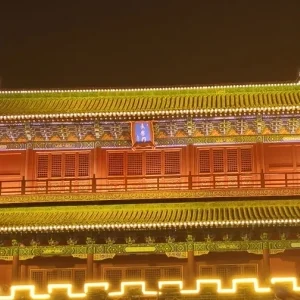
Home to ancient city walls, temples, and historic streets, this is one of the best areas near Shijiazhuang for an ancient-city walk.
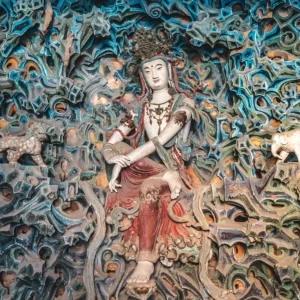
A landmark temple in Zhengding, known for its valuable architecture and Buddhist statues. It is especially suitable for travelers interested in historic buildings and Buddhist art.
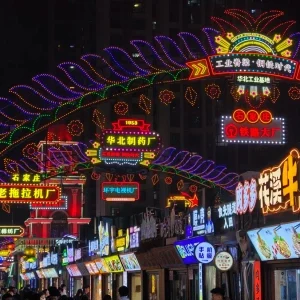
A leisure-focused street area with photo spots, casual dining, and a relaxed evening atmosphere.
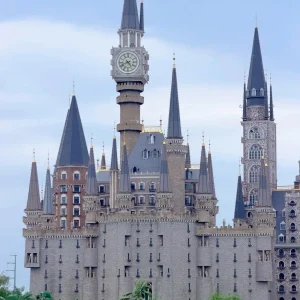
Known for its distinctive architecture and photo opportunities. Check campus access rules before entering the campus or specific areas.
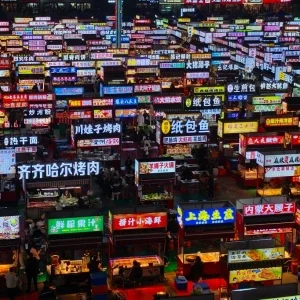
A popular nighttime food and shopping area in Zhengding, great for experiencing the local night-market atmosphere.
Shijiazhuang itineraries can be arranged as quick highlights, classic sightseeing routes, or deeper travel experiences depending on how long you stay. For first-time visitors, it is best to start with the Hebei Museum, Zhengding Ancient City, and Longxing Temple, then add city pedestrian streets, food night markets, or nearby day trips to Xibaipo and Zhaozhou Bridge if time allows.
The following Shijiazhuang itineraries are suitable for first-time visitors. You can adjust the order based on your flight schedule, high-speed rail timing, hotel location, and interests. During public holidays or when popular attractions require reservations, allow extra flexibility.
Suitable for weekend travelers, this route combines Zhengding Ancient City with the main highlights of downtown Shijiazhuang. Day 1 focuses on historic architecture and night views, while Day 2 covers museums and city neighborhoods at a relaxed pace.
Suitable for travelers who want a fuller understanding of Shijiazhuang. This itinerary covers city parks, museums, Zhengding Ancient City, Xibaipo revolutionary sites, Zhaozhou Bridge, and other classic destinations.
For first-time visitors, the area around Letai Center and Beiguo Mall is usually the most recommended place to stay, thanks to convenient transportation, easy access to major attractions, and a relatively wide range of hotels. If you care more about nightlife, food, shopping, a quieter environment, or airport/train station access, you can also consider areas around Zhengding Ancient City, Shijiazhuang Railway Station, or the Hebei Museum.
Most travelers reach Shijiazhuang by plane or high-speed rail. The city is mainly served by Shijiazhuang Zhengding International Airport, and major railway stations include Shijiazhuang Railway Station, Shijiazhuang North Railway Station, Shijiazhuang East Railway Station, and Zhengding Airport Railway Station. If you are traveling from nearby cities such as Beijing, Tianjin, Taiyuan, Zhengzhou, or Jinan, high-speed rail is usually the most convenient and time-efficient option.
From Shijiazhuang Zhengding International Airport to downtown, you can take an airport bus, high-speed rail or bullet-train connection, taxi, ride-hailing service, or airport shuttle. The best option depends on your arrival time, luggage, hotel location, and budget. Before booking hotels or transfers, confirm airport-to-city shuttle schedules and whether you need to transfer via Zhengding Airport Railway Station.
Shijiazhuang has several railway stations, and different stations may serve different high-speed rail or regular train routes. Before buying tickets, carefully confirm both your departure and arrival stations, as travel times between Shijiazhuang Station, Shijiazhuang North Station, Shijiazhuang East Station, and Zhengding Airport Station can vary significantly.
Within Shijiazhuang, the metro is usually a convenient and reliable way to travel, especially between downtown commercial areas, railway stations, and some attractions. Taxis and ride-hailing services are useful at night, when carrying large luggage, or when visiting places not directly served by the metro. For suburban attractions or day trips to Zhengding Ancient City, Xibaipo, Zhaozhou Bridge, Hongya Valley, and other destinations, you can combine the metro, buses, high-speed rail, long-distance coaches, private transfers, or local tours depending on the destination.
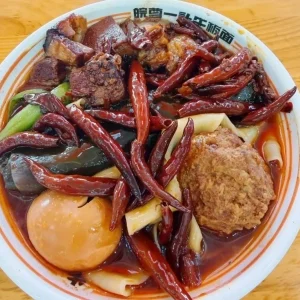
Shijiazhuang is a great place to try North China-style noodles, Hebei snacks, and casual local restaurant dishes. From classic regional foods and street snacks to neighborhood restaurants, the city offers plenty of representative dining experiences. First-time visitors should start with signature foods such as Anhui-style beef banmian, beef-covered flatbread, and ganglu baked sesame flatbread. Some dishes are easy to find near popular attractions and commercial areas, while others are best experienced in local neighborhoods, long-running restaurants, or traditional markets.

A very common street noodle dish in Shijiazhuang, known for its rich broth and chewy noodles. It is a good choice for a quick meal.
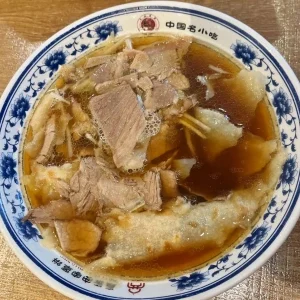
Sliced flatbread soaked in beef broth, hearty and satisfying. It is a representative staple dish in Hebei.
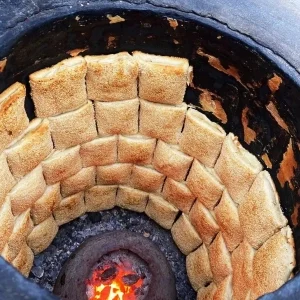
Crispy, fragrant, and layered, often eaten for breakfast or paired with lamb soup or donkey soup.
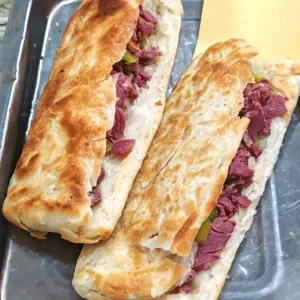
Crispy flatbread stuffed with savory donkey meat, one of Hebei’s classic snacks.
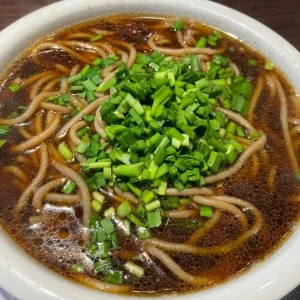
A flavorful soup with smooth hele noodles, suitable for breakfast or cold weather.
The best time to visit Shijiazhuang is usually spring and fall, especially April to May and September to October. During these months, the weather is mild and relatively dry, making outdoor sightseeing and city walks more comfortable. Early summer and early winter can also be good options, while July and August may be less comfortable due to heat and rainfall, and December to February may feel cold and dry.
Before traveling to Shijiazhuang, plan a few practical details in advance, including attraction reservations, payment methods, mobile internet, transportation apps, and seasonal packing. Some popular attractions may require reservations or tickets, and certain services may work differently from what overseas travelers are used to.
Understanding Shijiazhuang’s city layout can make trip planning easier. This section gives a quick overview of where Shijiazhuang is located in China and how its main administrative areas are arranged. For travelers, the most important areas are usually the city center, major transportation hubs, and the urban or suburban areas connected to popular attractions.
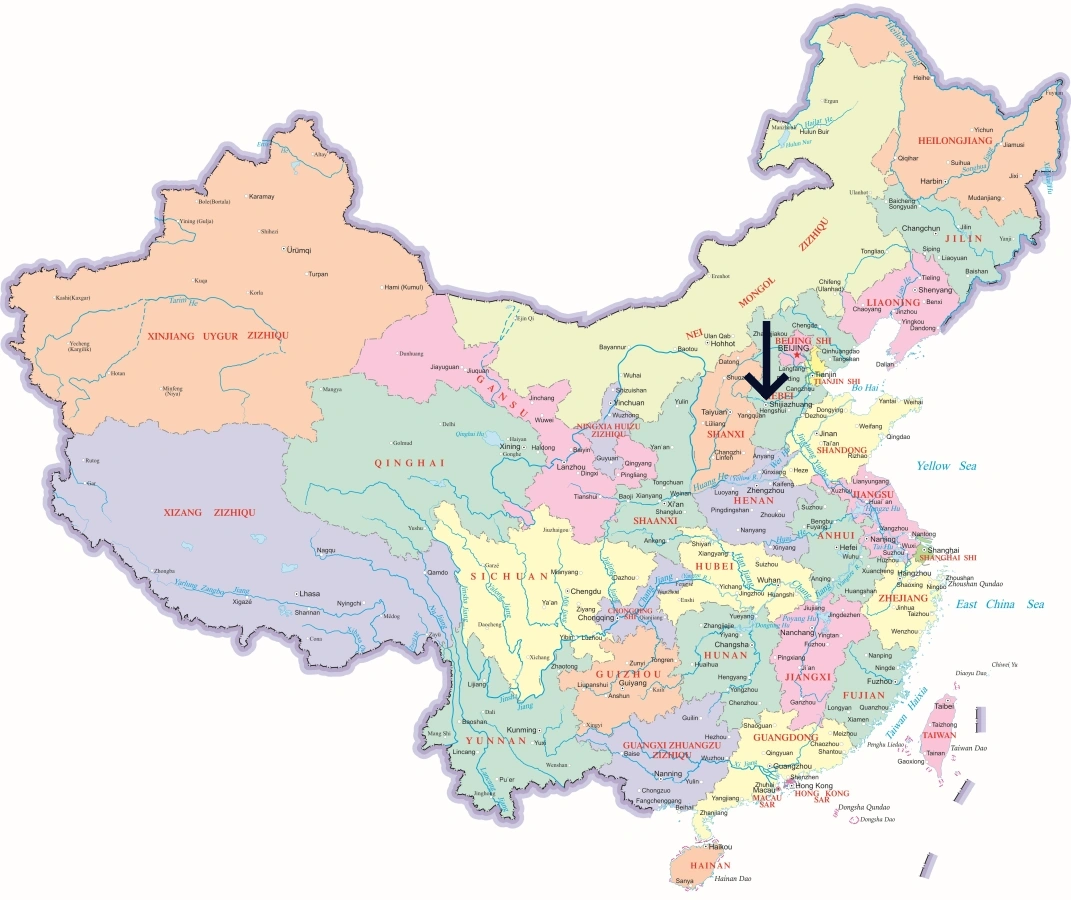
Shijiazhuang is located in North China and is the capital of Hebei Province. It is near Beijing, Tianjin, Baoding, Hengshui, Xingtai, and Yangquan in Shanxi Province, and is connected to other major Chinese cities by air, high-speed rail, and expressways. Thanks to its location and transportation links, Shijiazhuang also works well as a starting point for trips to Zhengding Ancient City, Xibaipo, Zhaozhou Bridge, Cangyan Mountain, and other nearby destinations.
Shijiazhuang has several administrative districts, but travelers do not need to know every one in detail. For most itineraries, it is more useful to focus on the areas where major attractions, hotels, restaurants, shopping streets, the airport, and railway stations are located.
Key areas for travelers include:
Shijiazhuang covers about 15,800 square kilometers and has a permanent population of around 11.2466 million. Because the city includes central urban districts, suburbs, counties, and some township areas, travelers should focus on the distances between the city center, major transportation hubs, and popular attractions when planning hotels and transportation.
Approximate population by major area:
Shijiazhuang’s postal code and telephone area code are commonly used for mailing documents, filling in hotel information, food delivery, local contact details, and some online forms. Shijiazhuang’s telephone area code is generally 0311, and its general postal code is 050000.
If you need an exact postal code for sending documents, receiving items at a hotel, or online shopping, check the specific street address rather than relying only on the city-level postal code.
Yes. Shijiazhuang is known for Zhengding Ancient City, the Hebei Museum, and the revolutionary heritage of Xibaipo, making it a good choice for history lovers, museum visitors, and weekend travelers. If this is your first trip to China, or if you want to experience Yan-Zhao culture, ancient city architecture, and life in a North China provincial capital, Shijiazhuang is usually well worth adding to your itinerary.
A stay of 2–3 days is generally recommended. If you are short on time, 2 days and 1 night can cover the core highlights. If you want a more relaxed experience with local food and nearby day trips, plan for 3 days.
Shijiazhuang is best known for Zhengding Ancient City, Longxing Temple, the Hebei Museum, and Xibaipo. For travelers, the most representative experiences usually include walking through Zhengding Ancient City, seeing exhibitions at the Hebei Museum, and taking a day trip to Xibaipo for revolutionary history.
The top experiences in Shijiazhuang include the Hebei Museum, Zhengding Ancient City, Longxing Temple, Xibaipo, and local food. For a first visit, start with the most iconic attractions, then add neighborhood walks, food experiences, or nearby day trips depending on your schedule.
For a first trip to Shijiazhuang, it is usually best to stay near Letai Center or Beiguo Mall, because transportation is convenient and major attractions and restaurants are easier to reach. If nightlife, shopping, airport access, or a quieter environment matters more to you, consider areas around Zhengding Ancient City, Shijiazhuang Railway Station, or the Hebei Museum.
The best times to visit Shijiazhuang are usually April to May and September to October, when the weather is mild, relatively dry, and better for outdoor sightseeing and city walks. Early summer and early winter can also be considered, but July and August may be less comfortable due to heat and rain, while December to February can be cold and dry.
Within Shijiazhuang, the easiest way to get around is usually a combination of metro, buses, and ride-hailing services. For airport transfers, railway stations, nighttime travel, or large luggage, taxis and ride-hailing are convenient. For suburban attractions, you may need to combine the metro, buses, high-speed rail, long-distance coaches, chartered vehicles, or local tours.
In Shijiazhuang, try Anhui-style beef banmian, beef-covered flatbread, ganglu baked sesame flatbread, and donkey meat huoshao. These foods represent the local dining culture. Some are best enjoyed at long-running restaurants, while others are better experienced in local neighborhoods, snack streets, or traditional markets.
Shijiazhuang is generally suitable for first-time visitors to China, especially if you are interested in Chinese history, museums, and ancient cities in North China. Before you go, prepare payment methods, mobile internet, maps, and translation tools, and check whether popular attractions require reservations.
Some popular attractions in Shijiazhuang may require advance reservations or ticket purchases, especially on weekends, public holidays, and during peak travel seasons. Check opening hours, ticket rules, and entry requirements before departure. For popular sites, it is best to confirm a few days in advance. Museum-type attractions such as the Hebei Museum are especially worth checking for reservation requirements.
Good day trips or short excursions from Shijiazhuang include Zhengding Ancient City, Xibaipo, and Zhaozhou Bridge. If the destination is farther away, check travel times in advance and consider high-speed rail, direct buses, private transfers, or local day tour products.
Travel costs in Shijiazhuang depend on where you stay, where you eat, how you get around, and which attraction tickets you buy. In general, staying downtown or in popular commercial areas is more convenient but more expensive. If you are traveling on a budget, choose a well-connected area outside the core districts and use public transportation and local restaurants more often. Compared with China’s first-tier cities, Shijiazhuang is usually easier to manage on a moderate budget.
Explore detailed travel guides for China’s most popular cities, covering attractions, local food, accommodations, and transportation tips.
Official WeChat Mini Program
Copy the official WeChat Mini Program link, then paste it into the WeChat search bar to open it:
1. Copy the Mini Program link
2. Open WeChat and go to the search bar
3. Paste the link and open the Mini Program
English (US)