
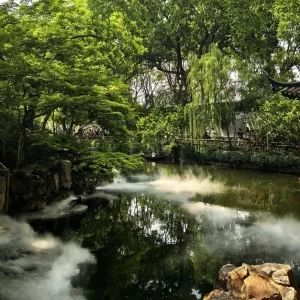
Suzhou Travel Guide

Suzhou is one of China’s most distinctive travel destinations for classical Jiangnan gardens and historic canal-town scenery. It is known for its traditional gardens, canal-lined streets, and Jiangnan cuisine. This guide covers Suzhou’s must-see attractions, recommended itineraries, best areas to stay, transportation options, local food, best time to visit, map information, and practical travel tips to help you plan a smoother trip to Suzhou.

At a Glance

  • Known for: UNESCO-listed classical gardens, the historic streets of Pingjiang Road and Shantang Street, Suzhou Museum, Tiger Hill and Hanshan Temple, and Jiangnan water towns such as Zhouzhuang
  • Recommended stay: 2–3 days
  • Best time to visit: Spring, March–May, and autumn, September–November
  • Local food: Squirrel-shaped mandarin fish, three-shrimp noodles, crab roe noodles, osmanthus gorgon fruit, and Suzhou-style pastries
  • Best for: Old-town walks, garden culture, Jiangnan water towns, food exploration, weekend getaways, and first-time visitors to China

Things to Do in Suzhou

Suzhou’s travel experience usually centers on classical gardens, Jiangnan water towns, historic old-town streets, and Suzhou-style cuisine. For a first visit, start with the city’s most iconic attractions and experiences, then add neighborhood walks, museums, food stops, night views, or nearby day trips depending on how much time you have.

Humble Administrator’s Garden

One of Suzhou’s most representative classical gardens, known for its water features, pavilions, and classic Jiangnan garden layout.

Suzhou Museum

The new museum building, designed by I. M. Pei, has a highly recognizable architectural style and is a great place to learn about Suzhou’s history, art, and architectural aesthetics.
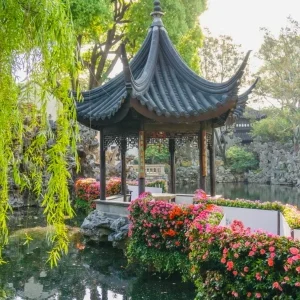
Lion Grove Garden

Famous for its rock formations and winding garden paths, this is a classic place to experience the playful side of Suzhou garden design.
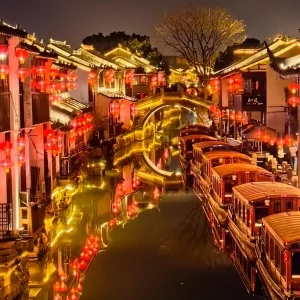
Shantang Street

A historic district connecting the old city with Tiger Hill, ideal for night views, canal walks, and local snacks.
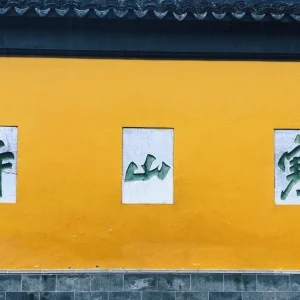
Hanshan Temple

Known for the poem “A Night Mooring by Maple Bridge,” this temple is a good place to experience Buddhist culture and the poetic side of Suzhou.
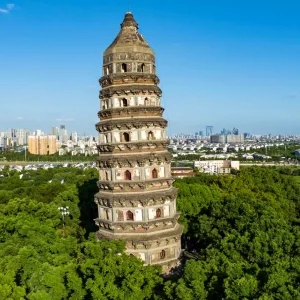
One of Suzhou’s historic landmarks, known for the Tiger Hill Pagoda, Sword Pond, and stories from ancient Wu culture.
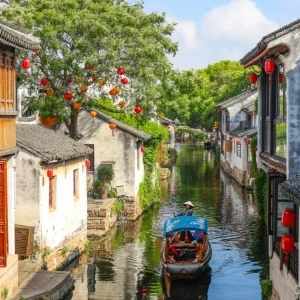
A representative Jiangnan water town, suitable for a day trip from Suzhou.
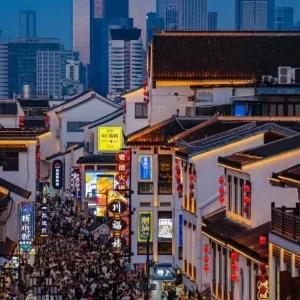
Guanqian Street

A traditional commercial district in Suzhou, good for shopping, dining, and evening strolls.
Suggested Suzhou Itinerary

Suzhou itineraries can be planned in several ways depending on your length of stay, from a quick highlights trip to a classic sightseeing route or a more in-depth experience. For a first visit, it is best to build your core itinerary around Humble Administrator’s Garden, Suzhou Museum, Lion Grove Garden, Pingjiang Road, and Shantang Street, then add Suzhou-style food, Jinji Lake night views, or a day trip to Zhouzhuang Ancient Town if time allows.

The following Suzhou itineraries are suitable for first-time visitors. You can adjust the order based on your flight or high-speed rail schedule, hotel location, and interests. During public holidays or when popular attractions require reservations, allow extra flexibility in your schedule.

2-day, 1-night itinerary

This itinerary is ideal for a weekend getaway or a first trip to Suzhou. It gives you a concentrated experience of Suzhou’s gardens, museums, old-town streets, temples, and Shantang Street at night. The pace is fairly tight, but the route is highly representative.

  • Day 1: Arrive in Suzhou – Suzhou Museum – Humble Administrator’s Garden – Lion Grove Garden – Guanqian Street – Pingjiang Road
  • Day 2: Lingering Garden – Xiyuan Temple – Hanshan Temple – Tiger Hill – Qili Shantang

3-day, 2-night itinerary

This itinerary is better for travelers who want to explore Suzhou at a more relaxed pace. It includes classical gardens and old-town neighborhoods, while also adding local markets, temples, modern city landmarks, and the Jinji Lake area for a more complete experience.

  • Day 1: Humble Administrator’s Garden – Suzhou Museum – Lion Grove Garden – Pingjiang Road – Shuangta Market – Guanqian Street
  • Day 2: Hanshan Temple – Xiyuan Temple – Lingering Garden – Tiger Hill – Qili Shantang
  • Day 3: Fengmen Hengjie – Master of the Nets Garden – Gate of the Orient – Eslite Bookstore – Jinji Lake

Where to Stay in Suzhou

For first-time visitors to Suzhou, the most recommended areas to stay are usually around Guanqian Street or Pingjiang Road. These areas are convenient for transportation, make it easy to reach major attractions, and offer a relatively wide range of hotel options. If you care more about nightlife, food, shopping, a quieter setting, or easy access to the airport or train stations, you can also choose areas such as Pingjiang Road, the area near Shilu Metro Station, or Jinji Lake based on your itinerary.

  • Guanqian Street: Best for first-time visitors who want convenient access to both attractions and restaurants. Its strengths are a mature commercial scene, many dining options, convenient metro and bus access, and easy travel to Humble Administrator’s Garden, Suzhou Museum, and Pingjiang Road. It works well for short trips and travelers who do not want to transfer frequently.
  • Pingjiang Road: Best for travelers who enjoy old-town atmosphere, neighborhood walks, and photography. Its strengths are a strong Jiangnan canal-street vibe and easy access to Humble Administrator’s Garden, Suzhou Museum, and Lion Grove Garden. It is a good choice for couples, families, and slow-paced travelers.
  • Near Shilu Metro Station: Best for travelers with a flexible budget who want both convenient transportation and easy access to Shantang Street’s night views. Its strengths are proximity to the metro and an old commercial district, with convenient access to Lingering Garden, Shantang Street, Tiger Hill, and Suzhou Railway Station. It works well for 2-day, 1-night trips or travelers arriving and departing by high-speed rail.

How to Get to and Around Suzhou

Most visitors travel to Suzhou by plane or high-speed rail. Suzhou itself does not have a major civil airport. Air travel is mainly served by Sunan Shuofang International Airport, Shanghai Hongqiao International Airport, and Shanghai Pudong International Airport. The city also has several major railway stations, including Suzhou Railway Station, Suzhou North Railway Station, Suzhou Industrial Park Railway Station, and Suzhou New District Railway Station. If you are coming from nearby cities, high-speed rail is usually the most convenient and predictable transportation option.

From Sunan Shuofang International Airport or Shanghai Hongqiao International Airport to downtown Suzhou, you can take an airport express service, intercity transportation, metro transfers, taxis, ride-hailing cars, or airport buses. The best option depends on your arrival time, amount of luggage, hotel location, and budget. If Suzhou is your main destination, Sunan Shuofang International Airport is more suitable for travelers flying directly from certain domestic Chinese cities to reach downtown Suzhou. Shanghai Hongqiao International Airport is better for travelers who want more domestic or international flight options and plan to combine Suzhou with a Shanghai itinerary. Shanghai Pudong International Airport offers more routes but is farther from downtown Suzhou, making it more suitable for international flights or long-distance transfers.

Suzhou usually has several train stations, and different stations may serve different high-speed rail or regular train routes. Before buying tickets, carefully confirm your departure and arrival stations, as travel time within the city can vary significantly between stations. In general, Suzhou Railway Station is close to the old city and convenient for Guanqian Street, Pingjiang Road, and Shantang Street. Suzhou North Railway Station is in Xiangcheng District and mainly serves routes along the Beijing-Shanghai High-Speed Railway. Suzhou Industrial Park Railway Station is convenient for Jinji Lake and the Industrial Park area. Suzhou New District Railway Station is better for the High-Tech Zone and the Tiger Hill area.

For getting around Suzhou, the metro is usually the most convenient and reliable option. Taxis and ride-hailing cars are useful for late-night trips, traveling with large luggage, or reaching places not directly served by the metro. If you plan to visit suburban attractions or take a day trip, you can choose from trains, buses, private cars, transfer services, or local tour groups depending on your destination.

What to Eat in Suzhou

Suzhou is an excellent place to try Suzhou-style cuisine and seasonal Jiangnan snacks. From classic local dishes and street food to neighborhood restaurants, the city offers many representative food experiences. First-time visitors should consider starting with signature dishes such as three-shrimp noodles, squirrel-shaped mandarin fish, and crab roe noodles. Some foods can be found near popular attractions and commercial areas, while others are better experienced in local neighborhoods, time-honored restaurants, or traditional markets.

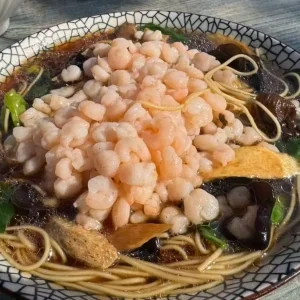
Three-shrimp noodles

A seasonal noodle dish featuring shrimp meat, shrimp roe, and shrimp brain, known for its rich umami flavor.

Osmanthus gorgon fruit

A representative Suzhou autumn dessert with a soft, slightly chewy texture, gentle sweetness, and osmanthus fragrance.

Squirrel-shaped mandarin fish

A classic Suzhou dish with an elegant presentation and a crispy, sweet-and-sour flavor.

Crab roe noodles

Best enjoyed in autumn and winter, with rich crab roe aroma and a deeply savory taste.
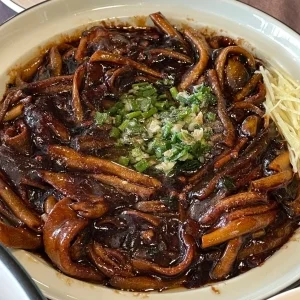
Shredded eel

Common in Suzhou-style restaurants, with a tender texture and rich soy-based flavor.
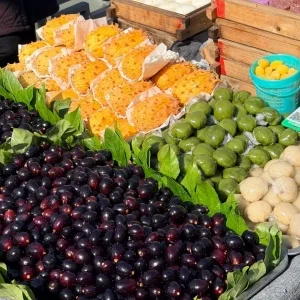
Pastries

Suzhou-style pastries come in many varieties, such as dingsheng cake, plum blossom cake, and “sock-bottom” crisps. They are good for souvenirs and afternoon tea.
Best Time to Visit Suzhou

The best time to visit Suzhou is usually spring and autumn, especially March–May and September–November. During these months, the weather is mild, the gardens are at their best, and old-town walks are more enjoyable. Early winter can also be a good choice, while midsummer and the plum rain season can make travel less comfortable because of heat, humidity, and frequent rain.

  • January: Average temperatures are about 0–8°C, with cold and damp weather. Good for museums, off-season garden visits, and indoor food experiences, but be prepared for chilly, rainy days.
  • February: Average temperatures are about 2–10°C, and the weather is still fairly cold. Good for Lunar New Year atmosphere, temple visits, and short trips, but watch for holiday crowds and higher hotel prices.
  • March: Average temperatures are about 6–15°C, and the weather starts to warm up. Good for garden blossoms, old-town walks, and visiting Pingjiang Road, but note the temperature difference between morning and evening.
  • April: Average temperatures are about 11–21°C, with comfortable weather. Good for Humble Administrator’s Garden, Tiger Hill, Shantang Street, and water towns, though popular attractions get busier.
  • May: Average temperatures are about 17–26°C, with warm weather. Good for outdoor sightseeing, city walks, and night tours, but advance reservations and hotel bookings are recommended during the May Day holiday.
  • June: Average temperatures are about 22–29°C, with humid and rainy weather. Good for museums, gardens, and food-focused itineraries, but pay attention to rain during the plum rain season.
  • July: Average temperatures are about 26–33°C, with hot and humid weather. Good for night visits to Shantang Street and indoor attractions, but sun protection, heat prevention, and hydration are important.
  • August: Average temperatures are about 25–32°C, and the weather is muggy. Good for a relaxed itinerary and evening activities, but daytime outdoor sightseeing should not be overpacked.
  • September: Average temperatures are about 21–29°C, and the weather gradually becomes more comfortable. Good for Jinji Lake, gardens, and old-town neighborhoods, though early September can still be hot.
  • October: Average temperatures are about 15–24°C, with crisp weather. Good for in-depth Suzhou travel, water-town day trips, and photography, but crowds are heavier during the National Day holiday.
  • November: Average temperatures are about 9–17°C, with cool weather. Good for autumn garden scenery, temples, and food experiences, but bring a jacket for mornings and evenings.
  • December: Average temperatures are about 2–10°C, and the weather is cold. Good for off-season travel, museums, and old-street food, but be prepared for a damp chill.

Essential Suzhou Travel Tips

Before visiting Suzhou, it is a good idea to plan a few practical details in advance, including reservations for popular attractions, payment methods, mobile internet, transportation apps, and packing for the season. Some popular attractions may require advance reservations or tickets, and some services may work differently from what overseas visitors are used to.

  • Attraction reservations: Popular Suzhou attractions such as Humble Administrator’s Garden, Suzhou Museum, Lion Grove Garden, and Tiger Hill may require advance reservations during holidays and peak seasons. Check opening hours and ticket rules before departure.
  • Payment methods: Mobile payment is widely used in mainland China. Set up a usable payment method in advance, and keep a small amount of backup cash or a bank card.
  • Mobile internet: If you need maps, translation, ride-hailing, and ticket-booking services, prepare an eSIM, SIM card, or another reliable way to get online.
  • Transportation apps: Maps, metro, ride-hailing, and translation apps are very useful when traveling in Suzhou, especially when transferring between trains, airport transportation, or suburban attractions.
  • Travel timing: Morning and evening rush hours and public holidays can be crowded. Try to schedule popular attractions in the morning and allow extra time for cross-city or cross-district travel.
  • Luggage and clothing: Temperature differences and weather changes in Suzhou can be noticeable across seasons. Pack appropriate clothing for your travel month and comfortable walking shoes.

Suzhou Maps

Understanding Suzhou’s city layout can make itinerary planning much easier. This section gives a quick overview of where Suzhou is located in China and how the city’s main administrative areas are generally distributed. For travelers, the most important areas are usually the city center, major transportation hubs, and the urban or suburban districts that connect popular attractions.

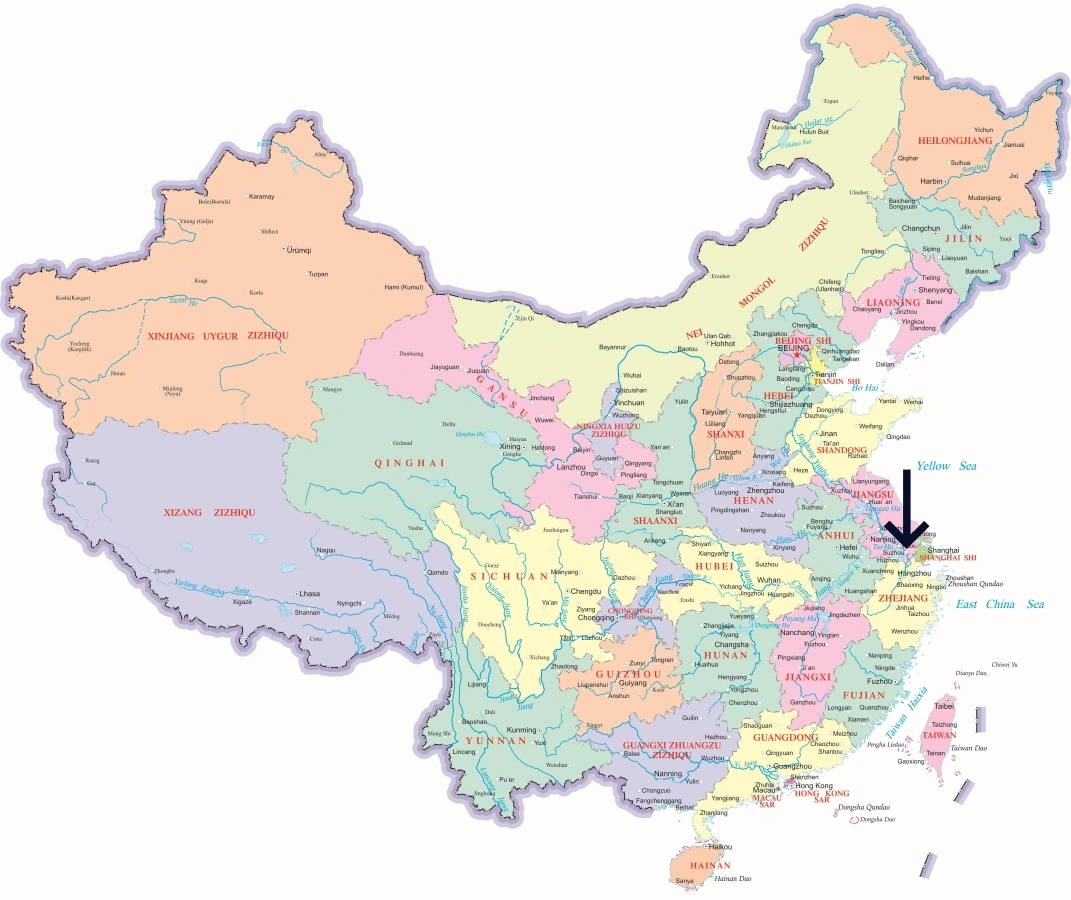
Where is Suzhou in China?

Suzhou is located in East China and belongs to Jiangsu Province. It is close to Shanghai, Wuxi, Jiaxing, Huzhou, and Taihu Lake, and is connected to other major Chinese cities by air, high-speed rail, and expressways. Thanks to its convenient location and transportation links, Suzhou also works well as a base for nearby destinations such as Zhouzhuang, Tongli, Shanghai, Wuxi, and Hangzhou.

Suzhou location map in China

Suzhou District Map

Suzhou administers multiple districts, but travelers do not need to understand every district in detail. For most itineraries, it is more important to focus on the areas where major attractions, hotels, restaurants, shopping streets, airports, and train stations are located.

Areas travelers should pay attention to include:

  • Gusu District: Best for first-time visitors, old-town walks, garden sightseeing, and staying near core attractions.
  • Wuzhong District: Best for Taihu Lake scenery, Mudu Ancient Town, East Hill and West Hill, and nearby leisure getaways.
  • Wujiang District: Best for Tongli Ancient Town, Zhenze Ancient Town, and short trips to Jiangnan water towns.
  • Suzhou Industrial Park: Best for Jinji Lake, Gate of the Orient, Eslite Bookstore, modern city views, and business travel.
  • Huqiu District / Suzhou High-Tech Zone: Best for Tiger Hill, Hanshan Temple, Suzhou Amusement Land, business in the High-Tech Zone, and family travel.

Basic Information About Suzhou

Area and Population

Suzhou covers a total area of about 8,657.32 square kilometers and has a permanent resident population of about 12.987 million. Because the city may include central urban areas, suburbs, and some towns, travelers planning accommodation and transportation should focus mainly on distances between the city center, major transportation hubs, and popular attractions.

The population of the main administrative areas is roughly as follows:

  • Gusu District: About 930,000 residents. This is the core area of Suzhou’s old city and is home to many gardens, old streets, and historical and cultural attractions.
  • Wuzhong District: About 1.42 million residents. This is an important area connecting Taihu Lake, Mudu, and several leisure destinations.
  • Wujiang District: About 1.57 million residents. This is an important urban area in southern Suzhou and home to water towns such as Tongli.
  • Suzhou Industrial Park: About 1.17 million residents. This area concentrates modern business, Jinji Lake leisure, and new urban landmarks.
  • Huqiu District / Suzhou High-Tech Zone: About 860,000 residents. This area is centered around Tiger Hill, Hanshan Temple, High-Tech Zone business, and family-friendly travel.

Suzhou’s postal codes and telephone area code are commonly used for mailing documents, filling in hotel information, food delivery, local contact details, and some online forms. Suzhou’s telephone area code is generally 0512, and its city-level postal code is generally 215000.

If you need an accurate postal code, such as for mailing documents, receiving packages at a hotel, or online shopping, look it up based on the specific street or full address rather than using only the city-level postal code.

Suzhou Travel Guide FAQ

Is Suzhou worth visiting?

Yes. Suzhou is known for its classical gardens, Jiangnan water towns, and Suzhou-style cuisine. It is a great destination for cultural travelers, city walkers, and food lovers. If this is your first trip to China, or if you want to experience a historic Jiangnan city and classical garden aesthetics, Suzhou is usually well worth adding to your itinerary.

In general, 2–3 days is recommended for Suzhou. If you have limited time, 2 days are enough to see the core sights. If you want to experience the city more slowly, enjoy local food, and add a nearby day trip, plan for 3–4 days.

Suzhou is mainly known for its classical gardens, Jiangnan water towns, silk culture, and Suzhou-style cuisine. For travelers, the most representative experiences usually include visiting Humble Administrator’s Garden and Lion Grove Garden, walking along Pingjiang Road and Shantang Street, and trying Suzhou-style noodles, pastries, and local dishes.

The top things to experience in Suzhou include Humble Administrator’s Garden, Suzhou Museum, Lion Grove Garden, Tiger Hill, and the night views along Shantang Street. For a first visit, prioritize the city’s most iconic attractions, then add neighborhood walks, food experiences, or nearby day trips depending on your schedule.

For a first trip to Suzhou, it is usually best to stay around Guanqian Street or Pingjiang Road because transportation is convenient and it is easy to reach major attractions and restaurants. If you care more about nightlife, shopping, airport access, or a quieter environment, you can also consider staying near Shilu Metro Station, Jinji Lake, or Suzhou Railway Station.

The best time to visit Suzhou is usually spring and autumn, especially March–May and September–November. During these periods, the weather is mild and comfortable for outdoor sightseeing and city walks. Early winter can also be a good option, but midsummer and the plum rain season may affect comfort because of heat, humidity, and frequent rain.

The easiest way to get around Suzhou is usually by metro. The metro covers many areas commonly used by travelers, including the old city, Suzhou Railway Station, Suzhou North Railway Station, Jinji Lake, and Shantang Street. For airport or train station transfers, late-night travel, or trips with large luggage, taxis or ride-hailing cars are convenient. For suburban attractions, you may need to combine the metro, buses, high-speed rail, a private car, or a local tour group.

When visiting Suzhou, try three-shrimp noodles, squirrel-shaped mandarin fish, crab roe noodles, and osmanthus gorgon fruit. These foods represent local flavors well. Some are best enjoyed at time-honored restaurants, while others are better experienced in local neighborhoods, snack streets, or traditional markets.

Suzhou is generally a good destination for first-time visitors to China, especially if you are interested in classical gardens, Jiangnan water towns, or traditional Chinese urban culture. Before departure, prepare your payment method, mobile internet, maps, and translation tools, and check whether popular attractions require advance reservations.

Some popular Suzhou attractions may require advance reservations or tickets, especially on weekends, public holidays, and during peak travel seasons. Before departure, check opening hours, ticket rules, and entry requirements. For popular attractions, it is best to confirm a few days in advance.

Good day trips or short trips from Suzhou include Zhouzhuang, Tongli, and Wuxi. If your destination is farther away, check transportation times in advance and consider using high-speed rail, direct buses, a private car, or a local day-tour product.

Travel costs in Suzhou depend on where you stay, what restaurants you choose, how you get around, and which attractions you visit. In general, staying in the city center or popular commercial areas is more convenient but more expensive. If you are on a tighter budget, choose a well-connected area outside the core tourist zones and use more public transportation and local restaurants.

Official WeChat Mini Program

Copy the official WeChat Mini Program link, then paste it into the WeChat search bar to open it:

1. Copy the Mini Program link

2. Open WeChat and go to the search bar

3. Paste the link and open the Mini Program