

Xiangyang is one of China’s most distinctive destinations for Han River ancient-city culture and Three Kingdoms heritage, known for Xiangyang Ancient City, Gulongzhong, and Tangcheng Film and Television Base. This guide covers Xiangyang’s top attractions, recommended itineraries, best areas to stay, transportation options, local food, best times to visit, map information, and practical travel tips to help you plan a smoother trip.
Xiangyang’s travel experiences usually center on ancient-city history, Three Kingdoms culture, film-set night tours, and Han River scenery. For a first visit, prioritize the city’s most representative attractions and experiences, then add neighborhood walks, museums, local food, night views, or nearby day trips depending on your schedule.

Known for Tang-style architecture and film-shooting sets, ideal for photography, night visits, and immersive check-ins.
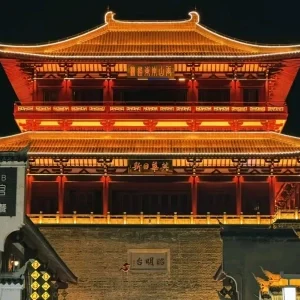
Xiangyang’s most representative historic district, good for walking the city wall, exploring North Street, and viewing the Han River.
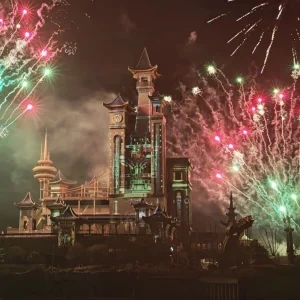
A comprehensive culture-and-tourism resort, suitable for family trips, themed entertainment, and resort stays.
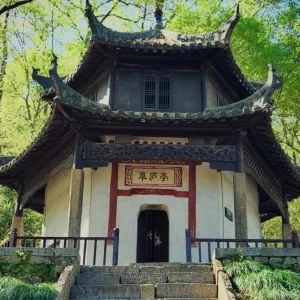
Known as Zhuge Liang’s former retreat and a major Three Kingdoms culture site, suitable for history, culture, and relaxed mountain-and-water sightseeing.
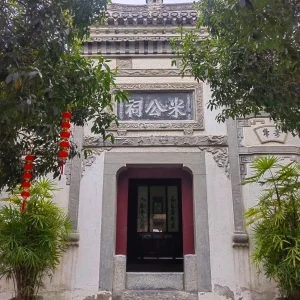
A cultural site honoring Mi Fu, the Northern Song dynasty calligrapher and painter, suitable for calligraphy lovers and quiet visits.
Xiangyang itineraries can be arranged as quick highlights, classic sightseeing routes, or deeper travel experiences depending on how long you stay. For first-time visitors, it is best to start with Xiangyang Ancient City, North Street, Tangcheng, and Gulongzhong, then add OCT Resort, a Han River night cruise, or cultural sites such as Migong Shrine if time allows.
The following Xiangyang itineraries are suitable for first-time visitors. You can adjust the order based on your flight schedule, high-speed rail timing, hotel location, and interests. During public holidays or when popular attractions require reservations, allow extra flexibility.
Suitable for first-time visitors with limited time. This route covers the ancient city, North Street, Tangcheng, Han River night views, and Gulongzhong, offering a quick experience of Xiangyang’s most representative history, culture, and night-tour atmosphere.
Suitable for travelers who want a fuller experience of Xiangyang. Day 1 focuses on Three Kingdoms culture and ancient-city streets, Day 2 covers the Han River area, museums, and Tangcheng, and Day 3 is reserved for OCT Resort, making it good for families and slower-paced travel.
For first-time visitors, staying near North Street or around Xiangyang Ancient City is usually the most recommended choice, thanks to convenient transportation, easy access to major attractions, and a relatively wide range of hotels. If you care more about nightlife, food, shopping, a quieter environment, or airport/train station access, you can also choose areas around OCT Resort, Xiangyang East Railway Station, or the Fancheng commercial district depending on your itinerary.
Most travelers reach Xiangyang by plane or high-speed rail. The city is mainly served by Xiangyang Liuji Airport, and major railway stations include Xiangyang East Railway Station, Xiangyang Railway Station, and Xiangzhou Railway Station. If you are traveling from nearby cities such as Wuhan, Zhengzhou, Shiyan, Yichang, or Nanyang, high-speed rail or bullet trains are usually convenient and time-efficient options.
From Xiangyang Liuji Airport to downtown, you can take an airport bus, taxi, ride-hailing service, or hotel transfer. The best option depends on your arrival time, luggage, hotel location, and budget. Xiangyang mainly uses Xiangyang Liuji Airport as its air gateway, so before booking hotels or transfers, confirm flight arrival times, airport bus stops, and nighttime transportation options.
Xiangyang has several railway stations, and different stations may serve different high-speed rail, bullet train, or regular train routes. Before buying tickets, carefully confirm both your departure and arrival stations, as travel times between Xiangyang East Railway Station, Xiangyang Railway Station, and Xiangzhou Railway Station can vary significantly.
Within Xiangyang, public buses, taxis, and ride-hailing services are usually practical. Xiangyang currently does not have an urban metro system. For short distances, walking or taking a taxi is convenient. For attractions such as Gulongzhong, Tangcheng, OCT Resort, and Yuliangzhou, choose buses, scenic-area routes, ride-hailing, chartered vehicles, or local day tours depending on distance.
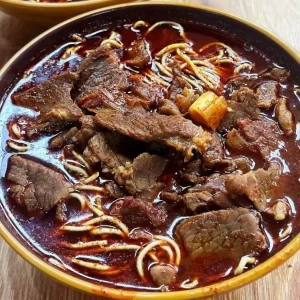
Xiangyang is a great place to try northwestern Hubei noodles, Han River flavors, and local late-night snacks. From classic regional dishes and street food to neighborhood restaurants, the city offers plenty of representative dining experiences. First-time visitors should start with signature foods such as Xiangyang beef noodles, Xiangyang zhajiang noodles, and Yicheng spicy crayfish. Some foods are easy to find near popular attractions and commercial areas, while others are best experienced in local neighborhoods, long-running restaurants, or traditional markets.

Xiangyang’s signature breakfast dish, known for its rich, spicy broth and often enjoyed with local rice wine.
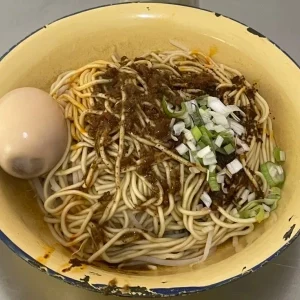
A common everyday noodle dish with a rich sauce and hearty flavor.

Known for its spicy, aromatic flavor, suitable for late-night dining or group meals.
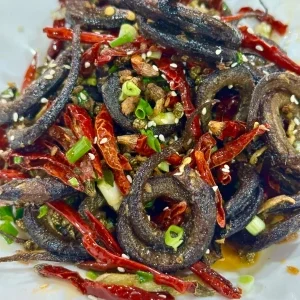
A specialty dish from northwestern Hubei, rich and savory, best ordered at local restaurants.
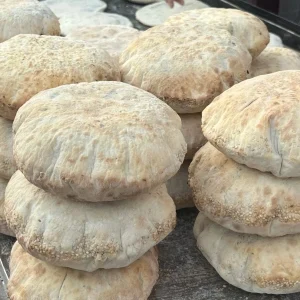
Sweet, fragrant, and soft, good for trying while exploring the ancient city or night markets.
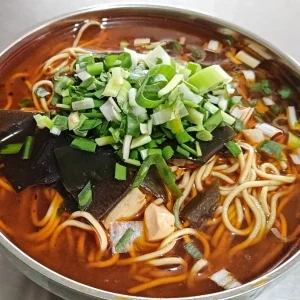
A common breakfast and street noodle option in Xiangyang, combining tofu and noodles for a simple, comforting taste.
The best time to visit Xiangyang is usually spring and fall, especially March to May and September to November. During these months, the weather is mild and relatively comfortable, making outdoor sightseeing and city walks more enjoyable. Early summer can also be a good option, while July and August may be less comfortable due to heat, humidity, and rainfall.
Before traveling to Xiangyang, plan a few practical details in advance, including attraction reservations, payment methods, mobile internet, transportation apps, and seasonal packing. Some popular attractions may require reservations or tickets, and certain services may work differently from what overseas travelers are used to.
Understanding Xiangyang’s city layout can make trip planning easier. This section gives a quick overview of where Xiangyang is located in China and how its main administrative areas are arranged. For travelers, the most important areas are usually the city center, major transportation hubs, and the urban or suburban areas connected to popular attractions.
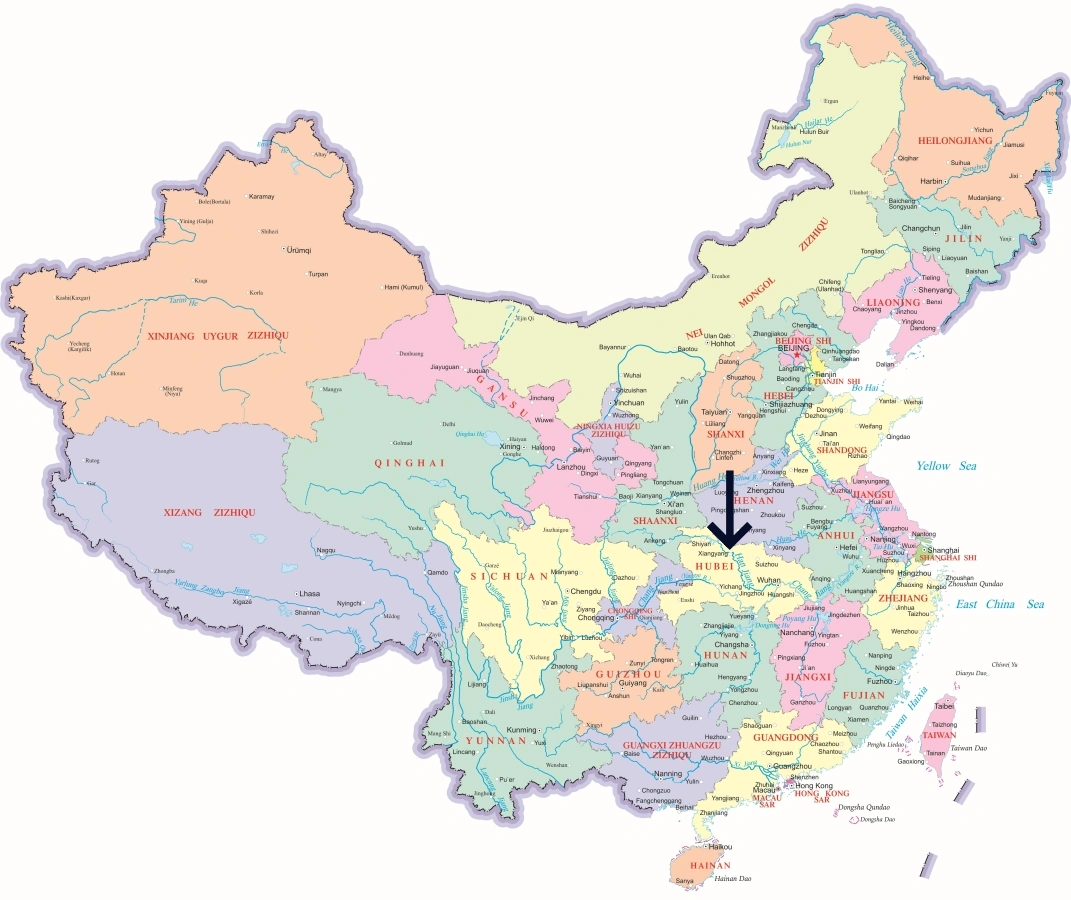
Xiangyang is located in Central China in Hubei Province, along the middle reaches of the Han River. It is near Wuhan, Shiyan, Yichang, Suizhou, Jingmen, Nanyang in Henan, and the direction of Ankang in Shaanxi, and is connected to other major Chinese cities by air, high-speed rail, and expressways. Thanks to its location and transportation links, Xiangyang also works well as a starting point for trips to Gulongzhong, Wudang Mountain, Shennongjia, Nanyang, and mountain-and-river destinations in northwestern Hubei.
Xiangyang has several administrative districts, but travelers do not need to know every one in detail. For most itineraries, it is more useful to focus on the areas where major attractions, hotels, restaurants, shopping streets, the airport, and railway stations are located.
Key areas for travelers include:
Xiangyang covers about 19,700 square kilometers and has a permanent population of around 5.2797 million. Because the city includes central urban districts, suburbs, counties, county-level cities, and some township areas, travelers should focus on the distances between the city center, major transportation hubs, and popular attractions when planning hotels and transportation.
Approximate population by major area:
Xiangyang’s postal code and telephone area code are commonly used for mailing documents, filling in hotel information, food delivery, local contact details, and some online forms. Xiangyang’s telephone area code is generally 0710, and its general postal code is 441000.
If you need an exact postal code for sending documents, receiving items at a hotel, or online shopping, check the specific street address rather than relying only on the city-level postal code.
Yes. Xiangyang is known for Xiangyang Ancient City, Gulongzhong, and Tangcheng Film and Television Base, making it a good choice for history lovers, Three Kingdoms culture travelers, and family vacationers. If this is your first trip to China, or if you want to experience a Han River ancient city, Three Kingdoms culture, and northwestern Hubei food, Xiangyang is usually well worth adding to your itinerary.
A stay of 2–3 days is generally recommended. If you are short on time, 2 days and 1 night can cover the core highlights. If you want a more relaxed experience with local food and a family resort stay, plan for 3 days.
Xiangyang is best known for Xiangyang Ancient City, Gulongzhong, Tangcheng Film and Television Base, and Han River scenery. For travelers, the most representative experiences usually include walking North Street in the ancient city, exploring Three Kingdoms culture at Gulongzhong, and taking a night tour of Tangcheng.
The top experiences in Xiangyang include Tangcheng, Xiangyang Ancient City, Gulongzhong, OCT Resort, and a Han River night cruise. For a first visit, start with the most iconic attractions, then add neighborhood walks, food experiences, or nearby day trips depending on your schedule.
For a first trip to Xiangyang, it is usually best to stay near North Street or around Xiangyang Ancient City, because transportation is convenient and major attractions and restaurants are easier to reach. If nightlife, shopping, airport access, or a quieter environment matters more to you, consider OCT Resort, the area around Xiangyang East Railway Station, or the Fancheng commercial district.
The best times to visit Xiangyang are usually March to May and September to November, when the weather is mild and relatively comfortable, making outdoor sightseeing and city walks more enjoyable. Early summer can also be considered, but July and August may be less comfortable due to heat, humidity, and rainfall.
Within Xiangyang, the easiest way to get around is usually a combination of public buses, taxis, and ride-hailing services. For airport transfers, railway stations, nighttime travel, or large luggage, taxis and ride-hailing are convenient. For suburban attractions, you may need to combine public buses, high-speed rail, scenic-area shuttle buses, chartered vehicles, or local tours.
In Xiangyang, try Xiangyang beef noodles, Xiangyang zhajiang noodles, Yicheng spicy crayfish, and pan-fried eel. These foods represent the local dining culture. Some are best enjoyed at long-running restaurants, while others are better experienced in local neighborhoods, snack streets, or traditional markets.
Xiangyang is generally suitable for first-time visitors to China, especially if you are interested in Three Kingdoms culture, Chinese ancient cities, or Han River city scenery. Before you go, prepare payment methods, mobile internet, maps, and translation tools, and check whether popular attractions require reservations.
Some popular attractions in Xiangyang may require advance reservations or ticket purchases, especially on weekends, public holidays, and during peak travel seasons. For popular sites such as Tangcheng, Gulongzhong, OCT Resort, and Xiangyang Museum, check opening hours, ticket rules, and entry requirements before departure. It is best to confirm a few days in advance.
Good day trips or short excursions from Xiangyang include Gulongzhong, Tangcheng, and OCT Resort. If the destination is farther away, you can also consider Chunqiu Village in Nanzhang, Yaozhihe in Baokang, or the direction of Wudang Mountain. Check travel times in advance and consider high-speed rail, direct buses, private transfers, or local day tour products.
Travel costs in Xiangyang depend on where you stay, where you eat, how you get around, and which attraction tickets you buy. In general, staying around North Street, the ancient city, or popular commercial areas is more convenient but more expensive. If you are traveling on a budget, choose a well-connected area outside the core districts and use public transportation and local restaurants more often. Budget separately for tickets and night-tour experiences at popular attractions such as Tangcheng and OCT Resort.
Explore detailed travel guides for China’s most popular cities, covering attractions, local food, accommodations, and transportation tips.
Official WeChat Mini Program
Copy the official WeChat Mini Program link, then paste it into the WeChat search bar to open it:
1. Copy the Mini Program link
2. Open WeChat and go to the search bar
3. Paste the link and open the Mini Program
English (US)