
 English (US)
 繁體中文
繁體中文  日本語
日本語  한국어
한국어  ไทย
ไทย  Русский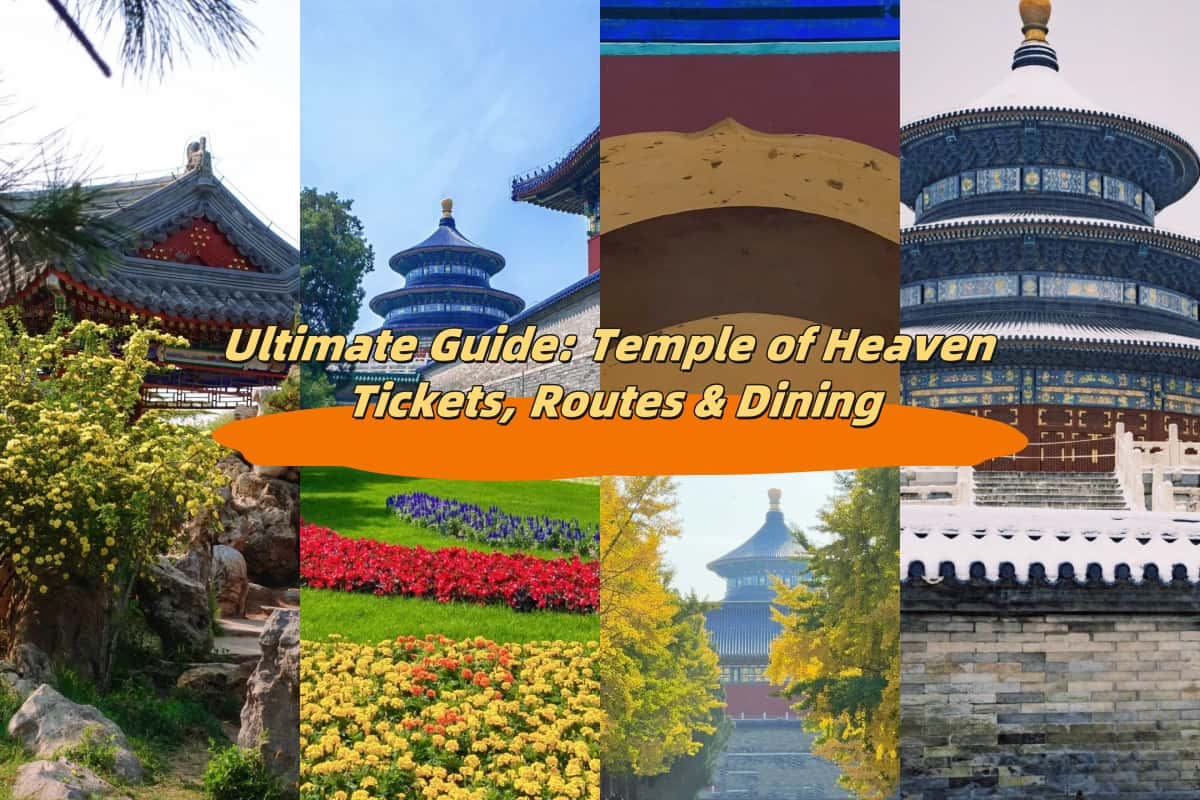
Hello everyone! I’m Michael Zhang, a seasoned travel expert from China with extensive international experience. I have a passion for exploring cultural and historical sites across the globe. In this guide, I’m excited to take you through the Temple of Heaven, one of Beijing’s most iconic landmarks. We’ll explore its history, culture, and magnificent architecture together. Let’s dive in and discover the fascinating details of this ancient site, where emperors once prayed for good harvests.
Summary
Overview of the Temple of Heaven
The Temple of Heaven, originally known as the “Temple of Heaven and Earth,” served as the sacred site where Ming and Qing emperors held ceremonies to worship Heaven, pray for good harvests, and request rain. Today, it stands as the largest and best-preserved ancient ceremonial complex in China. The compound is surrounded by two layers of walls, dividing the grounds into an Inner and Outer Temple.
Most historical structures sit inside the Inner Temple. A north–south wall separates the Inner Temple into two sections, with gates connecting both sides. Inside the Inner Temple, three major architectural groups take center stage: the Circular Mound Altar in the south, the Hall of Prayer for Good Harvests in the north, and the Palace of Abstinence to the west. A 360-meter-long, 28-meter-wide, 2.5-meter-high raised walkway—known as the Danbi Bridge—links the Circular Mound Altar with the Hall of Prayer for Good Harvests. Several important gates surround the Inner Temple, including the East Heavenly Gate, North Heavenly Gate, West Heavenly Gate, Guangli Gate, Zhaoheng Gate, and Taiyuan Gate. As a whole, the Temple of Heaven holds tremendous historical, scientific, and artistic value, while also carrying deep symbolic meaning rooted in traditional Chinese cosmology.
- Address: Tiantan Dongli No. A1, Dongcheng District, Beijing (Apple Maps / Amap)
- Opening Hours:
- Peak Season (Apr–Oct): 6:00–22:00, last entry at 21:00
Attractions inside the park: 8:00–18:00, last entry at 17:30 - Off-season (Nov–Mar): 6:30–22:00, last entry at 21:00
Attractions inside the park: 8:00–17:00, last entry at 16:30
- Peak Season (Apr–Oct): 6:00–22:00, last entry at 21:00
- Recommended Visit Duration: 3–4 hours
- Best Seasons: All year
- Ticket Prices:
- Combo Ticket (Recommended): Peak 34 CNY / Off-season 28 CNY (includes park entry + all major attractions)
- Entrance Ticket Only: Peak 15 CNY / Off-season 10 CNY
- Ticket Purchase: Trip.com Discounts, Klook Deals, KKday Offers
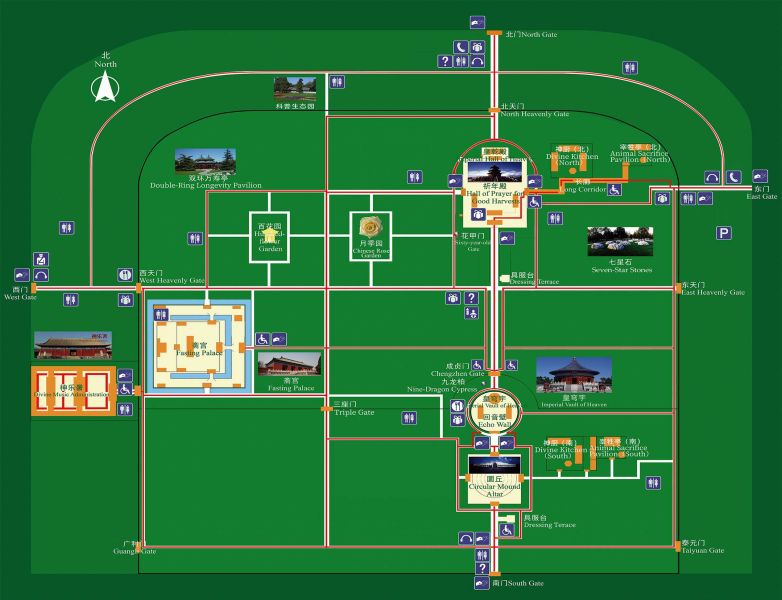
Temple of Heaven Map
Why You Should Visit the Temple of Heaven
Historical and Cultural Significance
Founded in 1420, the Temple of Heaven served as the ceremonial heart of imperial worship. Ming and Qing emperors came here to honor Heaven and pray for abundant harvests. As the largest surviving ritual complex in China, it is now recognized as a UNESCO World Heritage Site.
Its design expresses the classic Chinese cosmological idea of “round Heaven and square Earth.” Structures such as the Circular Mound Altar—used for the Winter Solstice ceremony—and the Hall of Prayer for Good Harvests reflect ancient beliefs about the universe and imperial rituals.
Architectural and Artistic Highlights
- Hall of Prayer for Good Harvests: A magnificent triple-gabled circular hall with blue-glazed tiles and a golden rooftop. Standing 38 meters tall, it symbolizes the movement of celestial bodies and remains one of Beijing’s most iconic landmarks.
- Danbi Bridge: A 360-meter-long imperial walkway divided into the Divine Way, the Emperor’s Way, and the King’s Way, illustrating the strict hierarchical order of ancient China.
- Echo Wall: Surrounding the Imperial Vault of Heaven, this curved wall carries whispers across its surface thanks to its precise acoustics—a favorite experience among visitors.
Top Things to Do in the Temple of Heaven
Main Attractions
The Hall of Prayer for Good Harvests
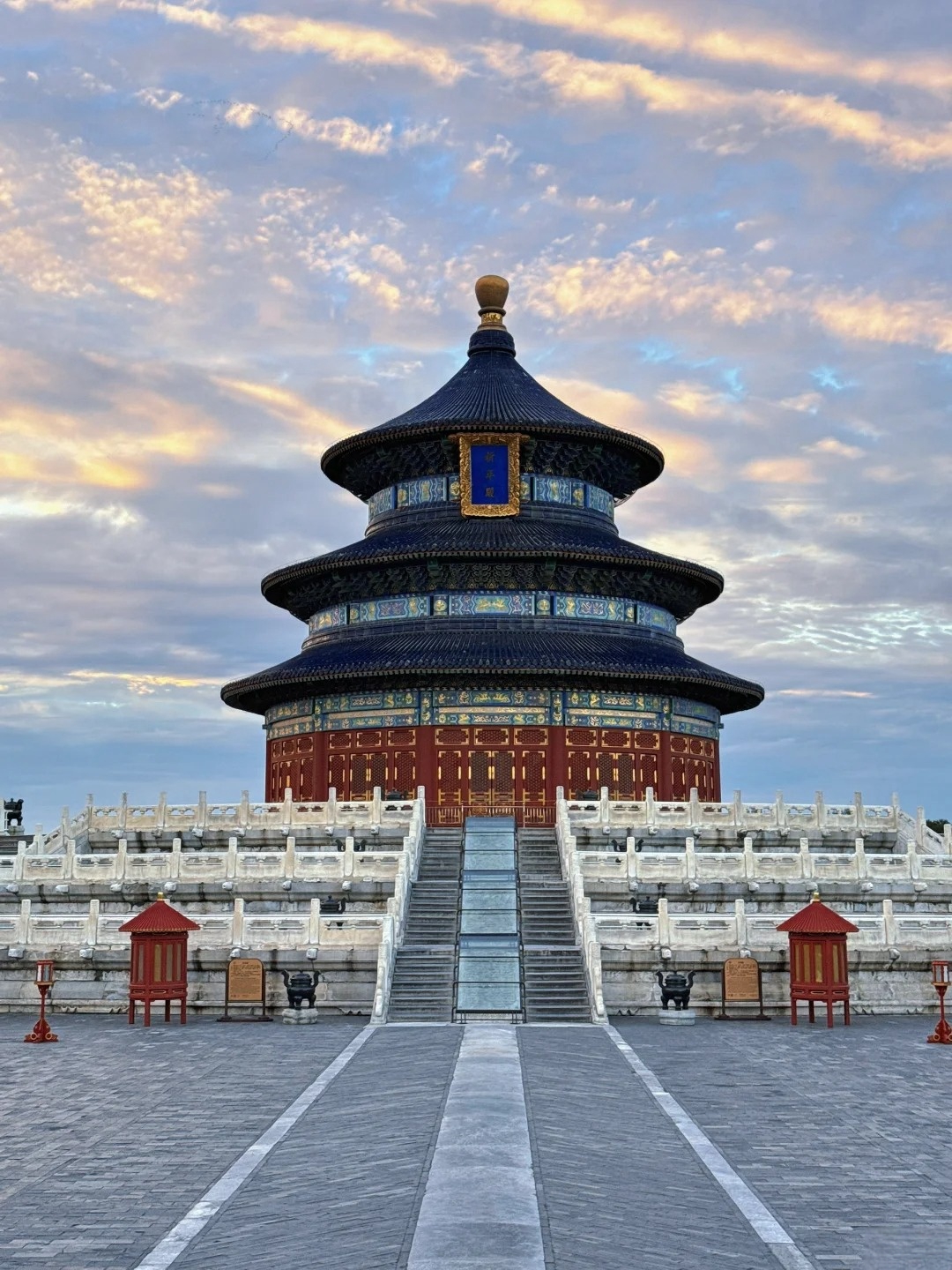
This iconic structure represents the Temple of Heaven at its most majestic. It served as the center for imperial ceremonies where emperors prayed for a bountiful harvest. The hall’s triple-eaved circular design reflects the ancient concept of Heaven, and remarkably, the entire structure uses no nails—only interlocking wooden brackets. Under sunlight, the blue-glazed tiles radiate a sacred glow. Inside, the throne of the “Supreme Deity of Heaven” reveals the emperor’s reverence toward celestial power. Visiting this hall is essential for any trip to the Temple of Heaven.
The Circular Mound Altar
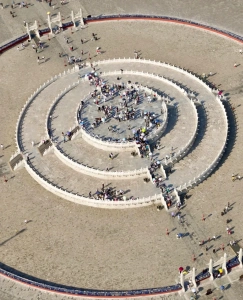
Located in the southern section, the Circular Mound Altar was the main site for Winter Solstice rites. Built from three layered marble terraces, the altar symbolizes cosmic order and hierarchy. At its center lies the famous Heaven’s Heart Stone. When you speak at its exact middle point, a resonating echo answers back, giving the moment a mystical feeling—as if Heaven itself were responding. The recurring use of the number nine, considered the most exalted number in imperial culture, shows up throughout the railings, steps, and architectural details.
The Imperial Vault of Heaven
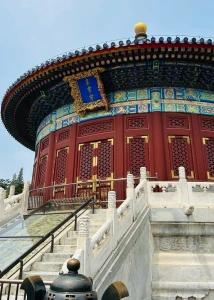
This elegant structure enshrines the tablets of the “Supreme Deity of Heaven” and other divine spirits. Although modest in size, it carries a solemn presence. Its most distinctive feature is the Echo Wall surrounding it. The circular layout creates impressive acoustic effects. The blue-tiled roof and the intricate dome carvings inside reinforce its celestial symbolism. Historically, this was where rituals were prepared and the spirit tablets were stored, giving the site a deep ceremonial atmosphere.
The Echo Wall
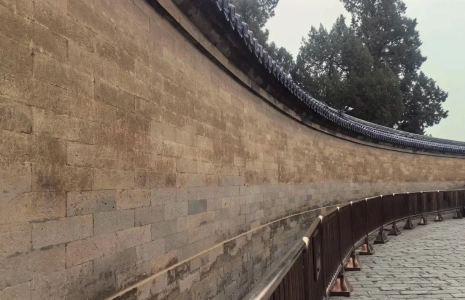
Situated outside the Imperial Vault of Heaven, the Echo Wall is built from finely polished bricks shaped into a perfect arc. Because the bricks fit so precisely, even a soft whisper at one end can travel clearly to the opposite side. It’s a vivid demonstration of ancient Chinese acoustic engineering and one of the Temple of Heaven’s most interactive and memorable highlights.
The Three Echo Stones
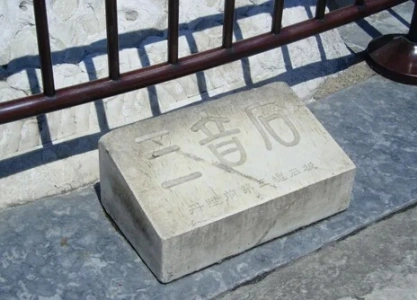
Found on the stone path south of the Circular Mound Altar, these three stones are positioned at equal distances. Clap your hands on the first stone and you’ll hear one echo; stand on the second and you’ll hear two; on the third, three echoes. This clever effect comes from the interplay between the ground surface and surrounding structures. It’s a simple yet fascinating example of ancient architectural science.
The Temple of Heaven Through the Seasons
Spring
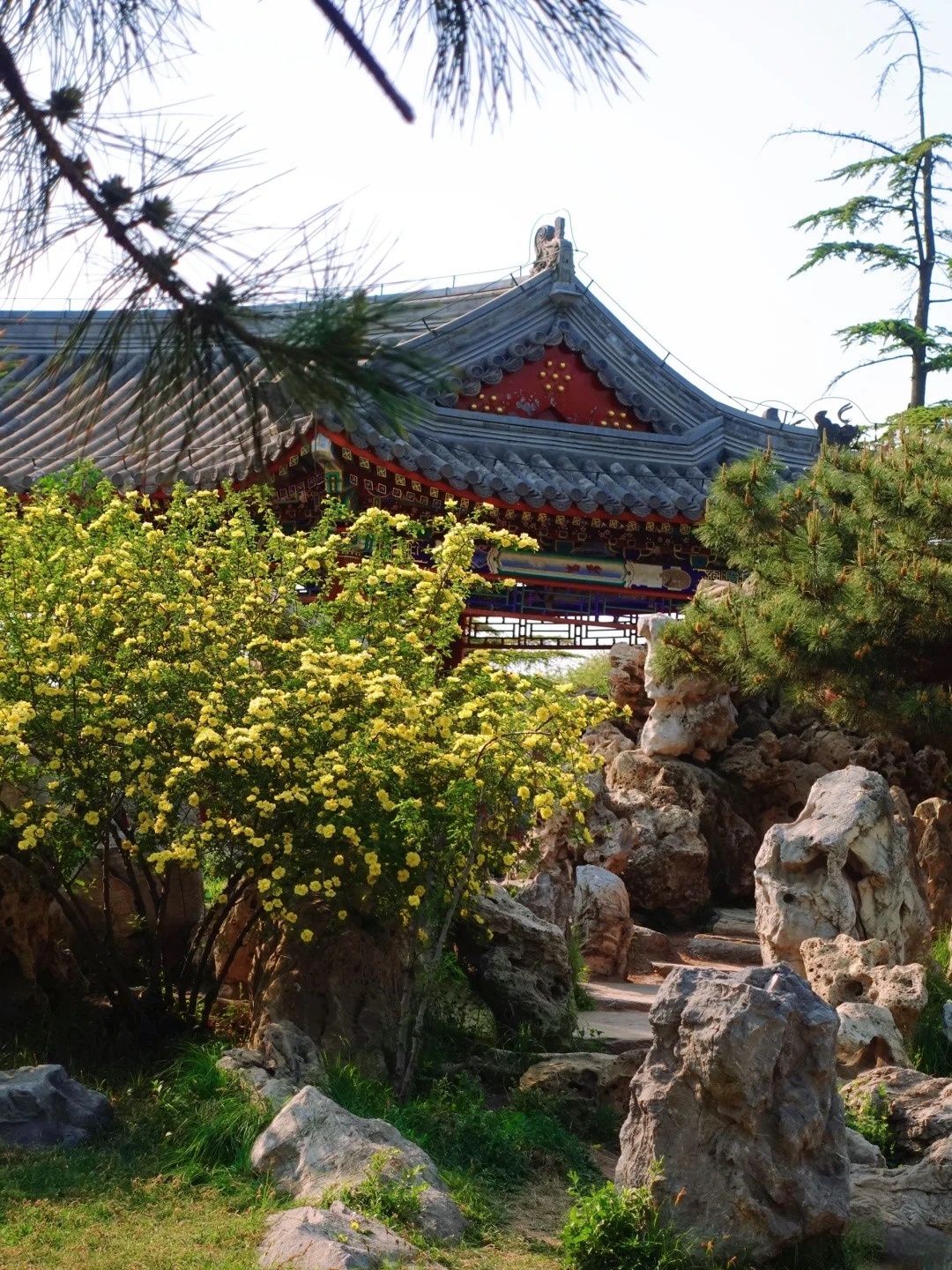
Spring is one of the best times to explore the Temple of Heaven. Fresh leaves emerge, evergreens cast soft shadows, and historic halls appear even more serene under warm sunlight. The area around the Hall of Prayer for Good Harvests becomes especially charming as flowers sway gently in the breeze, adding warm colors to the grand architecture.
Summer
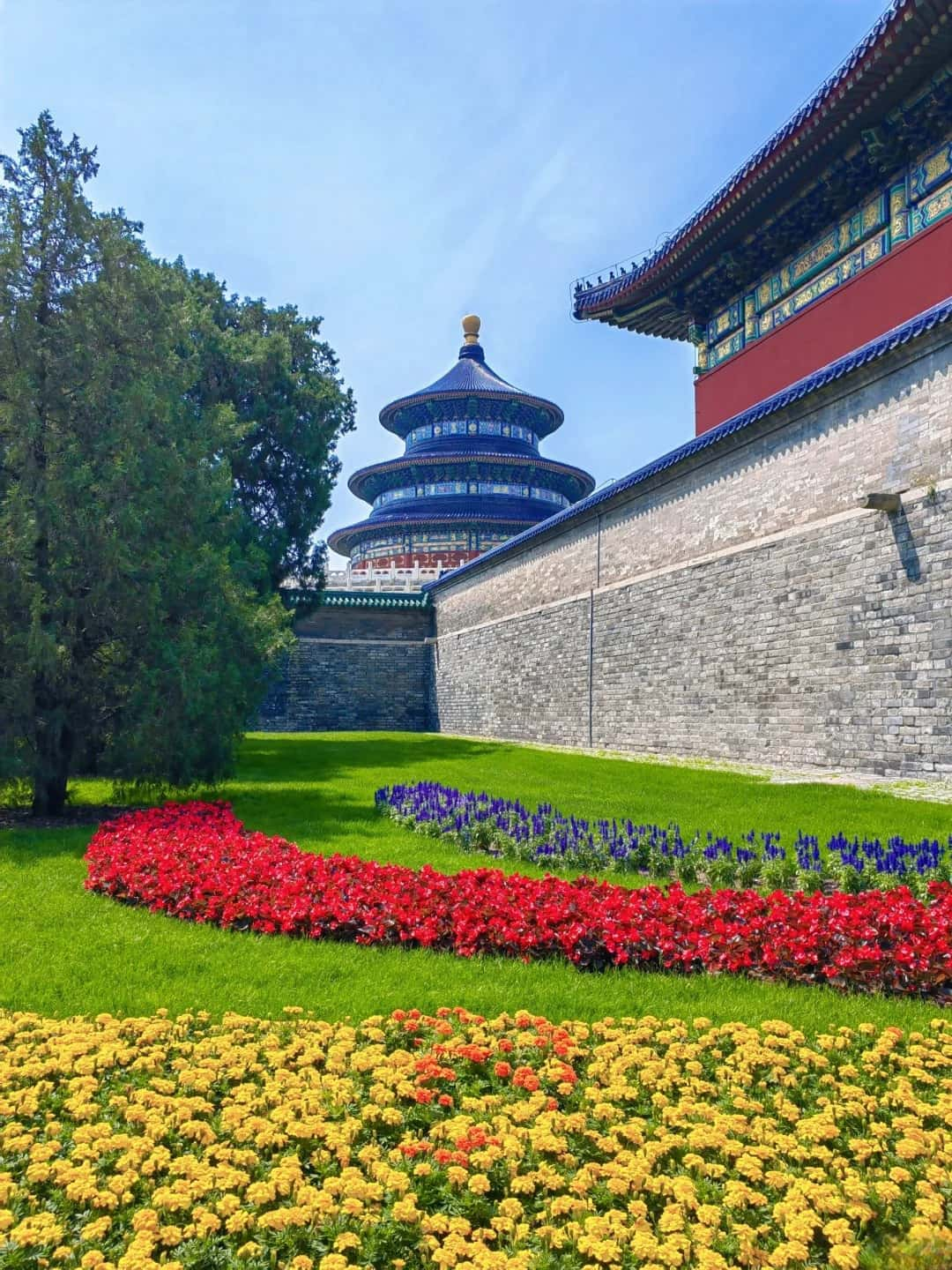
In summer, the Temple of Heaven becomes a cool retreat. Dense pine and cypress forests offer welcome shade, making strolls comfortable even on hot days. The bright summer sky contrasts beautifully with the blue-tiled roofs. Early mornings and late afternoons are ideal—locals come to practice tai chi, dance, or play chess, adding a lively, authentic touch to your visit.
Autumn
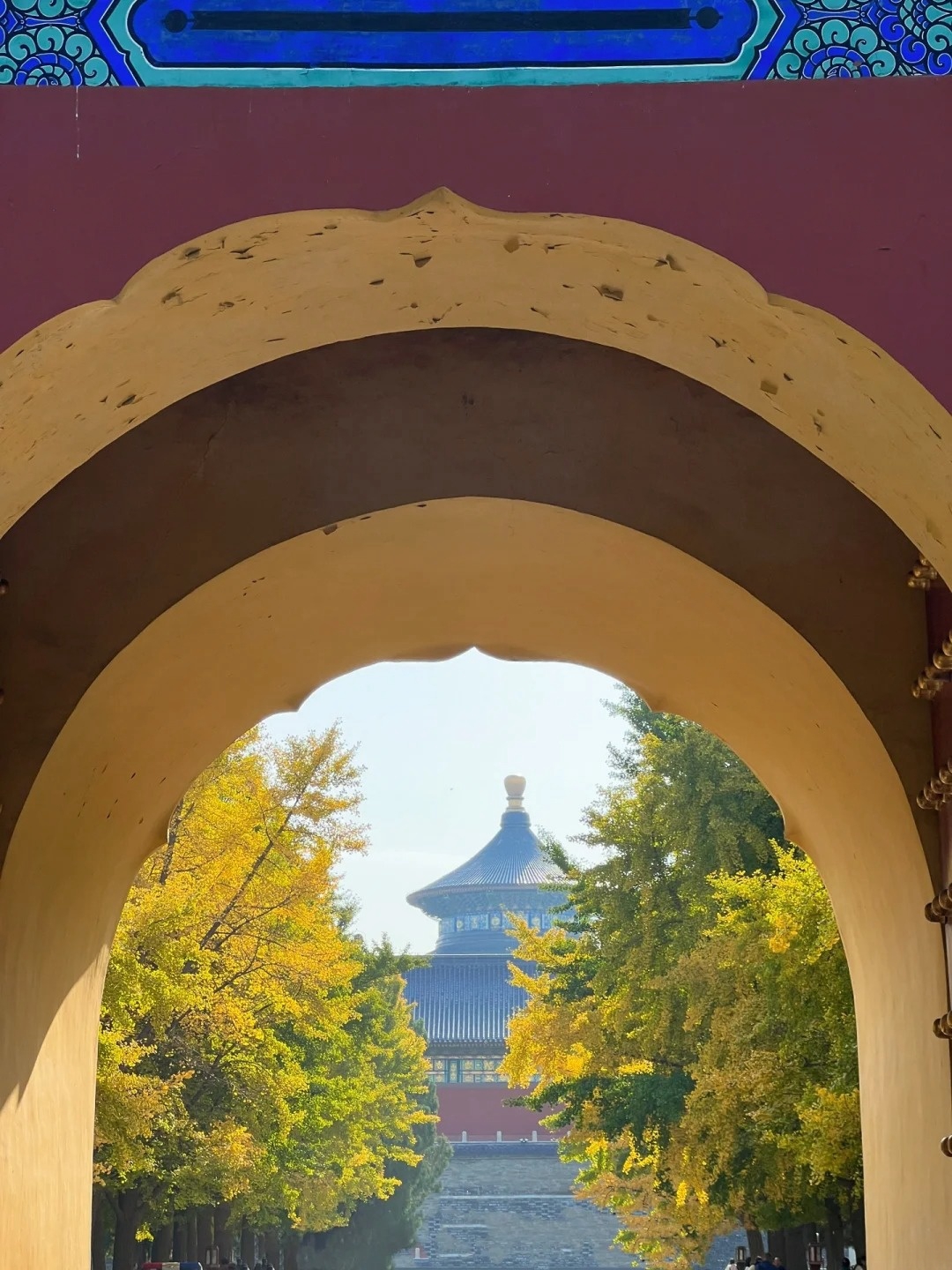
Autumn is arguably the Temple of Heaven’s most atmospheric season. Golden leaves cover the grounds and crisp air enhances the elegance of the ancient structures. The trees around the Hall of Prayer for Good Harvests glow in the autumn light, making it a photographer’s favorite. With fewer crowds and mild temperatures, autumn offers the perfect conditions for slow, thoughtful exploration.
Winter
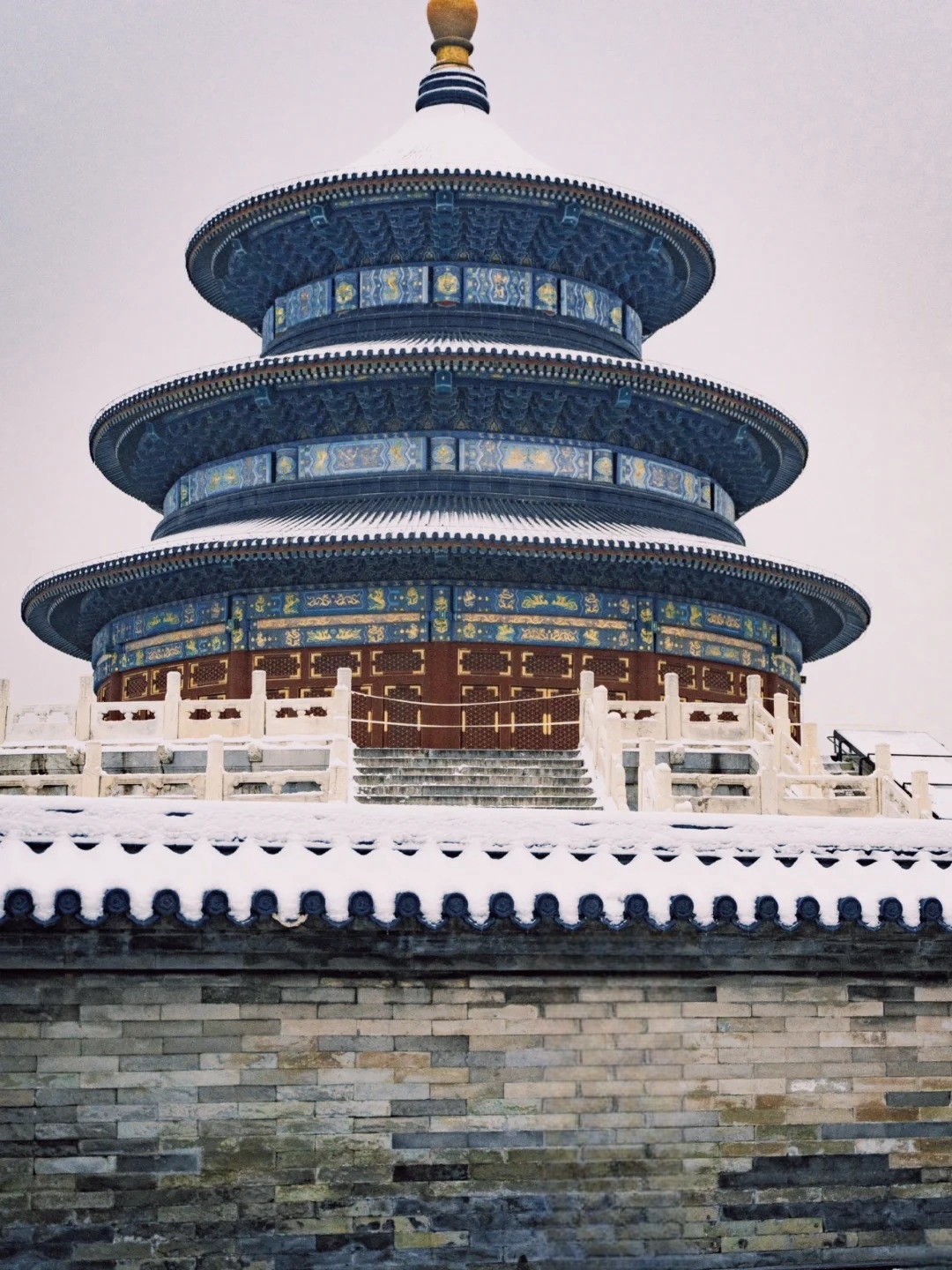
Winter brings a quiet, solemn beauty to the Temple of Heaven. Snow-covered rooftops transform the Hall of Prayer for Good Harvests into a breathtaking sight. The cold air amplifies the site’s historical weight. And although temperatures drop, the reduced number of visitors allows for a deeper, contemplative experience. On sunny days, the blue tiles shine against the winter sky, creating unforgettable views.
Temple of Heaven Ticket Guide
The Temple of Heaven offers two types of tickets: a basic entry ticket and a combo ticket that includes all major attractions. Since the Hall of Prayer for Good Harvests, Echo Wall, and Circular Mound Altar are all must-see sites, the combo ticket is the best option for most travelers.
Combo Ticket Prices
- Adults
- Peak Season (Apr–Oct): 34 CNY
- Off-season (Nov–Mar): 28 CNY
- Students: Peak 17 CNY / Off-season 14 CNY(for children under 18)
Where to Buy Tickets
- Online: WeChat official account and major travel platforms
- Ticket Purchase: Trip.com Discounts, Klook Deals, KKday Offers
- Offline: Tickets are also available at on-site ticket counters
Guided Tours
Audio Guide
- Location: Available at all entrances.
- Languages: Mandarin, English, French, Spanish, Russian, Japanese, Korean, German, Portuguese, Italian, and more.
- Price: 30 RMB for Mandarin, 40 RMB for other languages.
Tour Guide
- Available at the South Gate.
- Languages: Chinese and English.
- Price: From 200 RMB per hour for Chinese, from 300 RMB per hour for English.
Suggested Routes for Touring the Temple of Heaven
- 3-hour route: East Gate → Slaughter Pavilion → 72 Long Corridor → North Divine Kitchen → Hall of Prayer for Good Harvests → Danbi Bridge → Chengzhen Gate → Echo Wall → Imperial Vault of Heaven → Circular Mound Altar → Zhaigong → Double Ring Pavilion → West Gate
- 2-hour route: South Gate → Circular Mound Altar → Echo Wall → Imperial Vault of Heaven → Hall of Prayer for Good Harvests → Double Ring Pavilion → Zhaigong → West Gate
- 1-hour route: East Gate → Long Corridor → Hall of Prayer for Good Harvests → Danbi Bridge → Echo Wall → Circular Mound Altar → South Gate
Note: Make sure to buy the combo ticket, as it’s required for entry into the Hall of Prayer for Good Harvests, Imperial Vault of Heaven, Circular Mound Altar, and Echo Wall.
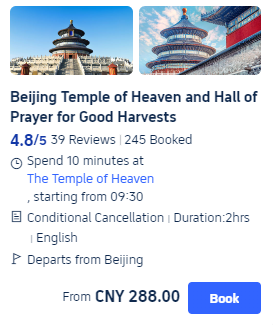
Book a full-day guided tour to experience all the best parts of the Temple of Heaven!
Dining Recommendations Near the Temple of Heaven
Lao Ciqikou Douzhi (Temple of Heaven)
- Located 700 meters from the North Gate, this old Beijing snack shop is famous for its traditional dishes.
- Chinese Address: 北京市东城区天坛路(天坛北门对面)
- Average price: 18 RMB
- Recommended dishes: Fermented mung bean juice, crispy fried dough rings, donkey roll, pea cakes, and fried milk cakes.
Yinsan Douzhi (Temple of Heaven)
- 150 meters north of the North Gate, a highly recommended local snack shop.
- Chinese Address: 北京市东城区东晓市街176号
- Average price: 16 RMB
- Recommended dishes: Fermented mung bean juice, crispy fried dough rings, fried liver, marinated meatballs, and fried sausage.
Da Hai Wan (Tianqiao)
- About 1 kilometer from the West Gate, this authentic Beijing restaurant is known for its classic noodle dishes.
- Chinese Address: 北京市西城区天桥商场地下一层(天桥地铁站D西南口步行90米)
- Average price: 66 RMB
- Recommended dishes: Fried noodles with soybean paste, sautéed pork with garlic sauce, and Beijing-style pork belly.
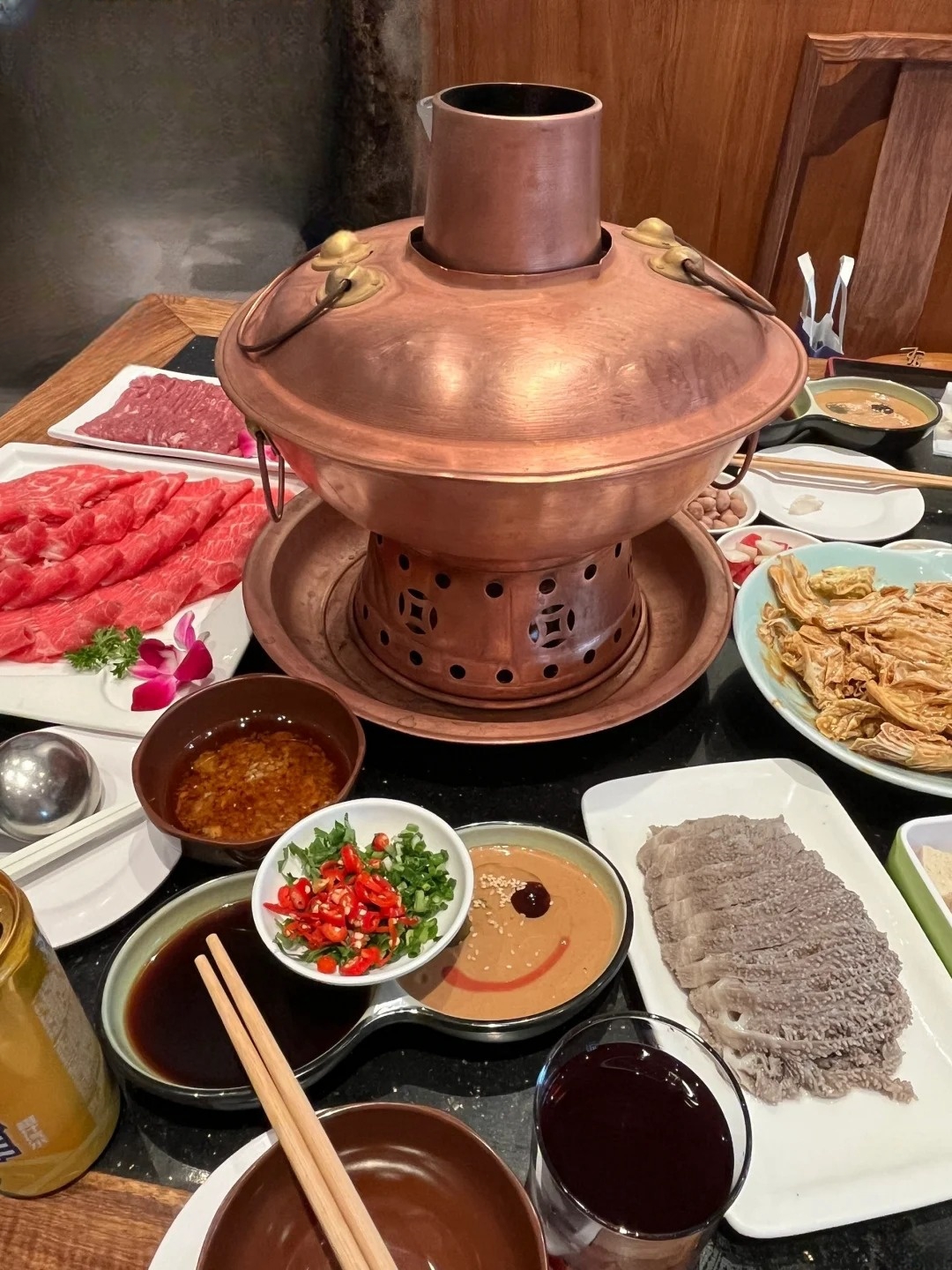
Nanmen Shuanrou (Temple of Heaven)
- A famous old Beijing hot pot restaurant, 900 meters from the South Gate.
- Chinese Address: 北京市东城区永定门东街东里13-1-2
- Average price: 101 RMB
- Recommended dishes: Hand-cut lamb, fresh lamb shoulder, sesame paste dipping sauce, and fried sesame cakes.
Getting to the Temple of Heaven
- East Gate: Subway Line 5, Temple of Heaven East Gate Station, Exit A2
- South Gate: Bus Line 202, get off at Temple of Heaven South Gate or Jingtai Station
- West Gate: Subway Line 8, Tianqiao Station, Exit C
- North Gate: Subway Line 7, Qiaowan Station, Exit C
How to plan your Beijing trip
Most first-timers spend 2–3 days in Beijing to cover the major highlights. If you’d like to add a theme park day, plan 5 days to include Universal Studios Beijing. Here are our most popular private tour options:
- Beijing 5-Day Private Tour (with Universal Studios Beijing) — 5-day private Beijing tour with Universal Studios and top landmarks like the Great Wall and Forbidden City.
- Beijing 4-Day Private Tour— 4-day private Beijing tour with the Great Wall and Forbidden City.
- Beijing 3-Day Private Tour — 3-day private Beijing tour with the Great Wall, Forbidden City, and more iconic sights.
- Beijing 2-Day Private Tour — 2-day private Beijing tour with the Great Wall, Forbidden City, and Summer Palace.
FAQ
Most paths in the Temple of Heaven Park are smooth and easy to navigate with strollers or wheelchairs. However, the Hall of Prayer for Good Harvests and the Imperial Vault of Heaven include stairs, which may make access slightly more difficult. Other areas remain easy to move through.
You’ll find luggage lockers on the east side of the South Gate. They can hold medium to slightly larger suitcases. Rates range between 3–6 CNY per hour, making it a convenient option for travelers who want to explore freely.
Essential Beijing Travel Resources
- Comprehensive Beijing Travel Guide 📖
- Beijing Travel Recommendations 🏙️
- Hotel Recommendations 🏨
- Transportation Guides ✈️ 🚇 🚄 🚆
- Essential Travel Tips & Tools 🗺️ 🍜 📱 💸 🌤️ 💊
- 🗺️ Beijing Maps
- 🍜 Beijing Food and Dining Guide
- 🍜 Peking Duck in Beijing Guide
- 📱 Essential Travel Apps
- 💸 China Tax Refund Guide
- 🌤️ Beijing Weather Guide
- 💊 Essential Medicines for Traveling
- 🛍️ Travel Deals China
- 🔌 China Plug Types and Power Adapter Guide
- 📶 How to Use eSIM China
- 🧳 Packing List and Travel Checklist
Comment (0)