
Aba Tibetan and Qiang Autonomous Prefecture is one of China’s most distinctive destinations for plateau landscapes and Tibetan-Qiang ethnic culture. It is best known for Jiuzhaigou, Huanglong Scenic Area, and Mount Siguniang. This guide covers Aba Tibetan and Qiang Autonomous Prefecture’s must-see attractions, recommended itineraries, best areas to stay, transportation options, local food, best time to visit, map information, and practical travel tips to help you plan a smoother trip.
Travel in Aba Tibetan and Qiang Autonomous Prefecture usually centers on plateau lakes, snow-capped mountains and valleys, Tibetan-Qiang culture, and grassland wetlands. For a first visit, it is best to prioritize the most iconic attractions and experiences, then add neighborhood walks, museums, food stops, night views, or nearby day trips depending on how much time you have.
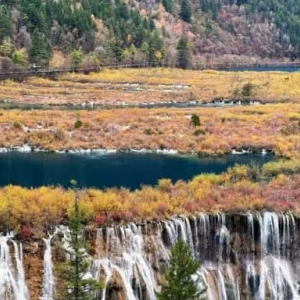
Known for its colorful alpine lakes, waterfalls, snow mountains, and forest scenery, Jiuzhaigou is the most iconic scenic area in Aba.
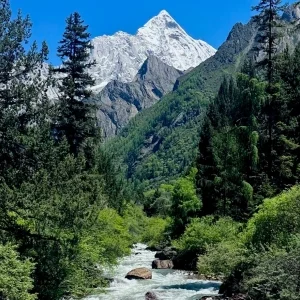
Famous for snow-capped peaks, valleys, and hiking routes, this area is ideal for photographers and outdoor travelers.
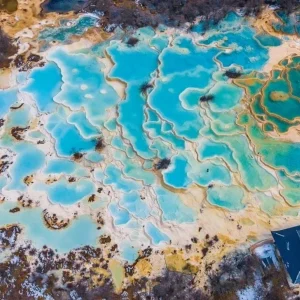
Known for its colorful travertine pools, snow mountain valleys, and plateau forest scenery.
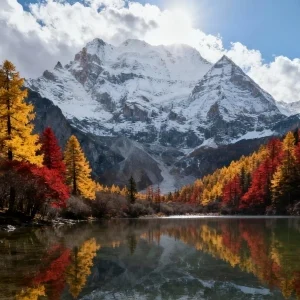
Representative for fall colors, snow mountains, lakes, and red leaves; a popular short trip from Chengdu.
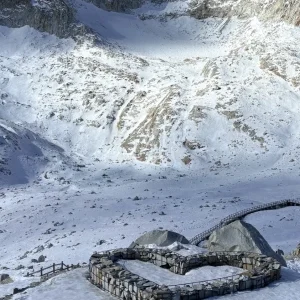
Offers high-altitude glacier, snow mountain, and cable car views, with very different scenery across the four seasons.
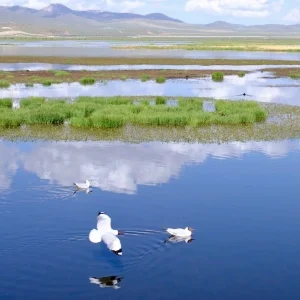
A wide-open grassland wetland landscape, ideal for seeing flower fields, lakes, and migratory birds in summer.
Aba Tibetan and Qiang Autonomous Prefecture itineraries can be planned as a short highlights trip, a classic sightseeing route, or a more in-depth experience depending on how long you stay. For first-time visitors, it is best to build your core itinerary around Mount Siguniang, Bipenggou, Dagu Glacier, Jiuzhaigou, and Huanglong, then add Zoige Grassland, Songpan Ancient Town, or Tibetan-Qiang village experiences if time allows.
The following Aba Tibetan and Qiang Autonomous Prefecture itinerary is suitable for first-time visitors. You can adjust the order based on your flight or high-speed rail schedule, hotel location, and personal interests. During holidays or when popular attractions require reservations, leave extra flexibility in your schedule.
Best for first-time visitors starting from Chengdu who want to see Aba’s core landscapes. This route connects Mount Siguniang, Bipenggou, Dagu Glacier, Jiuzhaigou, and Huanglong, covering snow mountains, valleys, glaciers, colorful pools, and plateau lakes. It is a classic northwestern Sichuan loop.
● Chengdu · Aba Prefecture · Dujiangyan · 7 days
Jiuzhaigou, Huanglong, Bipenggou & Siguniang Mountain in one scenic private trip.
from
per person
● Chengdu · Aba Prefecture · Ganzi Prefecture · 6 days
Daocheng Yading, Xinduqiao & Siguniang Mountain with private car comfort.
from
per person
● Chengdu · Aba Prefecture · 5 days
Jiuzhaigou, Huanglong and pandas with smooth private transfers.
from
per person
● Chengdu · Aba Prefecture · 4 days
Jiuzhaigou, Huanglong & Siguniangshan with private transfers in four days.
from
per person
● Chengdu · Aba Prefecture · 3 days
Qingcheng Mountain, Dujiangyan & Sanxingdui with pandas in one trip.
from
per person
● Chengdu · Aba Prefecture · 2 days
High-speed train to Jiuzhaigou with Huanglong in a quick private getaway.
from
per person
For first-time visitors to Aba Tibetan and Qiang Autonomous Prefecture, accommodation is usually arranged near the scenic areas. Most travelers start from Chengdu, spend time in the city first, then head toward Mount Siguniang and Bipenggou, staying near Mount Siguniang, Li County, or Heishui. They then continue to Jiuzhaigou and Huanglong Scenic Area, usually staying near the entrance to Jiuzhaigou.
Most travelers reach Aba Tibetan and Qiang Autonomous Prefecture by plane, high-speed rail, or by hiring a private car or driving from Chengdu. Air access is mainly through Jiuzhai Huanglong Airport, Chengdu Shuangliu International Airport, and Chengdu Tianfu International Airport. Railway stations such as Huanglongjiuzhai Station, Songpan Station, Maoxian Station, and Zhenjiangguan Station are gradually taking on more high-speed rail and bullet train connections. If you are coming from nearby cities such as Chengdu, Mianyang, Lanzhou, or Chongqing, high-speed rail, bullet trains, buses, or private-car transfers are usually more common transportation options.
From Jiuzhai Huanglong Airport to Jiuzhaigou, Huanglong, or Chuanzhusi, you can take an airport bus, scenic-area shuttle, taxi, ride-hailing service, or private car. The best option depends on your arrival time, amount of luggage, hotel location, and budget. If your Aba itinerary starts in Chengdu, Chengdu Shuangliu International Airport and Chengdu Tianfu International Airport are better major entry points for out-of-town visitors. If your destination is mainly around Jiuzhaigou and Huanglong, Jiuzhai Huanglong Airport or Huanglongjiuzhai Station is more convenient for direct access to the scenic areas. Before booking a hotel or transfer service, always confirm your arrival airport, railway station, and final place of stay.
Aba Prefecture is large, and the distances between scenic areas can be long, so transportation options vary greatly by route. Huanglongjiuzhai Station is better for reaching Huanglong, Jiuzhaigou, and Songpan. Maoxian Station and Zhenjiangguan Station are better for connecting to parts of the northwestern Sichuan route. For Mount Siguniang, Bipenggou, Dagu Glacier, Zoige, and similar destinations, private cars, self-driving, scenic-area shuttle buses, or local tour groups are still very common. Before buying tickets, carefully confirm your departure and arrival stations, as road transfer times between different stations can vary significantly.
When sightseeing within Aba Tibetan and Qiang Autonomous Prefecture, you usually cannot rely on a metro or dense bus network the way you would in a regular city. Taxis and ride-hailing services are useful for county towns, scenic-area entrance areas, and short-distance transfers. For moving between counties or scenic areas, private cars, self-driving, scenic-area shuttle buses, or local tour groups are usually more practical. If you plan to visit high-altitude areas, leave some flexibility in your itinerary and avoid packing several far-apart attractions into the same day.
Aba Tibetan and Qiang Autonomous Prefecture is a great place to try Tibetan-Qiang flavors and western Sichuan plateau cuisine, from classic local dishes and street snacks to scenic-area restaurants. First-time visitors should prioritize signature foods such as butter tea, tsampa, and yak beef hot pot. Some foods are easy to find near popular attractions and county towns, while others are best experienced in local villages, guesthouses, or traditional restaurants.

A common drink in Tibetan areas, rich, salty, and warming, especially suited to cold plateau weather.

A traditional Tibetan staple made mainly from roasted highland barley flour, often eaten with butter tea.
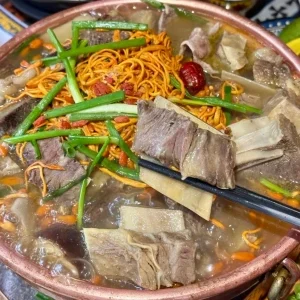
Firm-textured meat served in a warm broth, ideal for group meals and winter travel.

Simple and hearty, with a grain aroma; a good quick meal on the road.

Thick, creamy, tangy, and refreshing, one of the signature dairy products of the plateau.
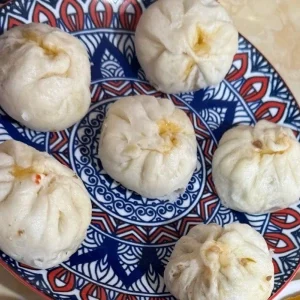
Fragrant and filling, good for breakfast or a quick energy boost while traveling.
The best time to visit Aba Tibetan and Qiang Autonomous Prefecture is usually May–June and September–October. During these periods, the weather is relatively stable, and the snow mountains, lakes, forests, and colorful fall foliage are all great for sightseeing. June–August is also a good choice for grassland and Flower Lake trips, while December to February may be less comfortable because of cold weather, snowfall, and unstable mountain roads. That said, winter is also a good time for snow scenery, frozen waterfalls, and low-season Jiuzhaigou.
Before visiting Aba Tibetan and Qiang Autonomous Prefecture, it is worth planning a few practical details in advance, including reservations for popular attractions, payment methods, mobile internet, transportation apps, and packing for the season. Some popular attractions may require advance booking or ticket purchase, and certain services may work differently from what overseas visitors are used to.
Understanding the layout of Aba Tibetan and Qiang Autonomous Prefecture can make trip planning much easier. This section gives a quick overview of where Aba is located in China and how its main counties and county-level areas are generally arranged. For travelers, the most important things to understand are usually the route from Chengdu, the counties where major scenic areas are located, transportation hubs, and the plateau roads connecting popular attractions.
Aba Tibetan and Qiang Autonomous Prefecture is located in Southwest China and belongs to Sichuan Province. It is near Chengdu, Deyang, Mianyang, Garze Prefecture, Qinghai, and southern Gansu, and is connected to other major Chinese cities by air, high-speed rail, highways, and tourist car services. As transportation continues to improve, Aba is also a convenient base for trips to Jiuzhaigou, Huanglong, Mount Siguniang, Bipenggou, Zoige Grassland, and the northwestern Sichuan loop.
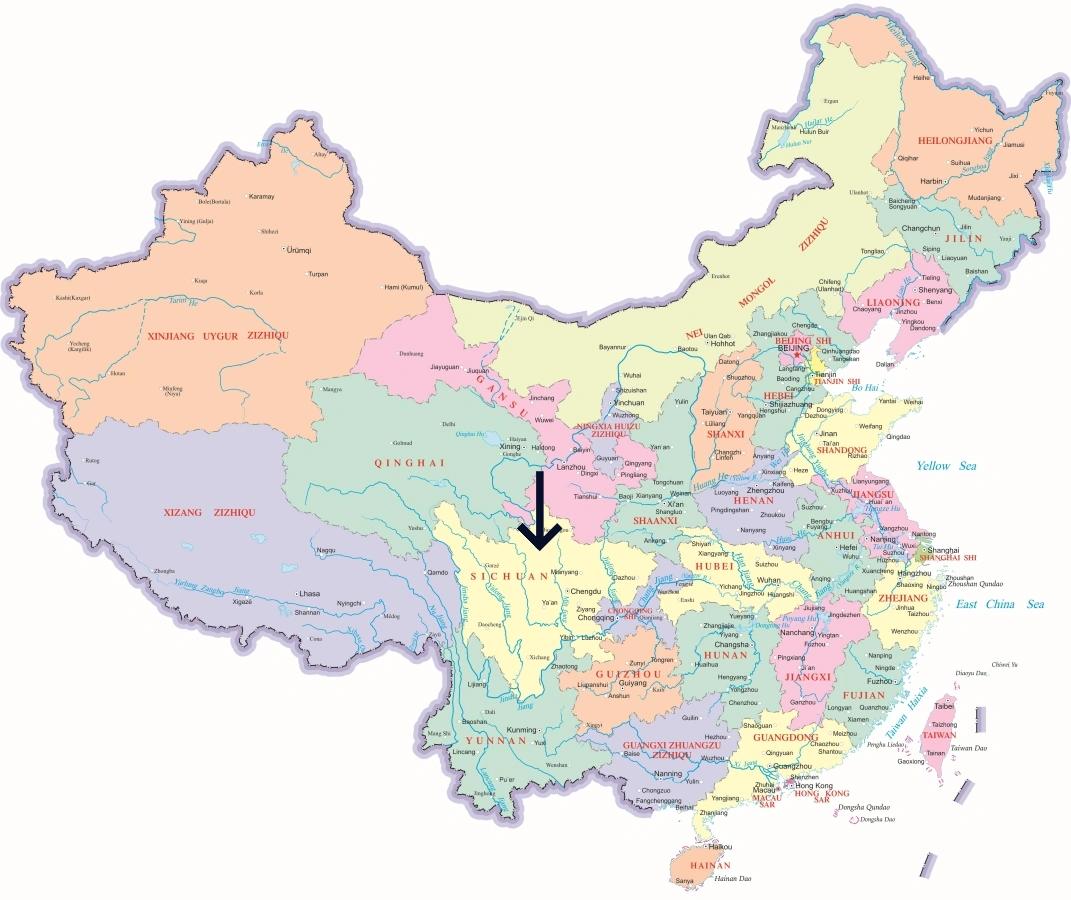
Aba Tibetan and Qiang Autonomous Prefecture is made up of several counties and county-level areas, but travelers do not need to know each one in detail. For most itineraries, it is more useful to focus on the areas where major attractions, hotels, restaurants, shopping streets, airports, and railway stations are located.
Areas travelers should pay attention to include:
Aba Tibetan and Qiang Autonomous Prefecture covers about 84,200 square kilometers and has a permanent resident population of about 828,000. Because the prefecture is vast and includes high mountain valleys, grassland wetlands, county towns, scenic-area entrance villages, and Tibetan-Qiang settlements, travelers should focus on distances between scenic areas, elevation changes, and road travel times when planning accommodation and transportation.
Approximate populations of the main counties and county-level areas are as follows:
Aba Tibetan and Qiang Autonomous Prefecture’s postal codes and telephone area code are commonly used for mailing documents, filling in hotel information, food delivery, local contact details, and some online forms. Aba’s telephone area code is generally 0837, and 624000 can usually be used as a prefecture-level postal code reference.
If you need an exact postal code, such as for mailing documents, receiving items at a hotel, or online shopping, look it up based on the specific county, street, or full address rather than relying only on the prefecture-level postal code.
Yes. Aba Tibetan and Qiang Autonomous Prefecture is known for Jiuzhaigou, Huanglong Scenic Area, and Mount Siguniang, making it ideal for nature lovers, photography travelers, and visitors looking for an in-depth western Sichuan experience. If this is your first trip to China, or if you want to experience plateau lakes, snow mountain valleys, and Tibetan-Qiang ethnic culture, Aba is usually well worth adding to your itinerary.
In general, 5–7 days is recommended for Aba Tibetan and Qiang Autonomous Prefecture. If you have limited time, 3–4 days can cover the core attractions of Jiuzhaigou and Huanglong. If you want a more relaxed trip with food experiences and nearby destinations such as Mount Siguniang, Bipenggou, Dagu Glacier, or Zoige Grassland, plan for 6–8 days.
Aba Tibetan and Qiang Autonomous Prefecture is mainly known for Jiuzhaigou, Huanglong, Mount Siguniang, and Zoige Grassland. For travelers, the most representative experiences usually include an in-depth visit to Jiuzhaigou, sightseeing at Huanglong’s colorful pools, and a snow mountain or valley trip to Mount Siguniang or Bipenggou.
The best things to experience in Aba Tibetan and Qiang Autonomous Prefecture include Jiuzhaigou, Huanglong Scenic Area, Mount Siguniang, Bipenggou, and Tibetan-Qiang plateau cuisine. For a first visit, prioritize the most representative sights, then add village walks, food experiences, or a grassland day trip depending on your schedule.
For a first trip to Aba Tibetan and Qiang Autonomous Prefecture, it is usually best to split your stays by route: Chengdu as the starting point and transit base, Mount Siguniang or Li County/Heishui as a western-route stop, and the Jiuzhaigou entrance area as your base for visiting Jiuzhaigou. If you care more about altitude adjustment, distance to scenic-area entrances, or transportation connections, you can also consider Chuanzhusi, Songpan, Gurgou, or Wenchuan.
The best time to visit Aba Tibetan and Qiang Autonomous Prefecture is usually May–June and September–October. During these periods, the weather is relatively stable, and the snow mountains, lakes, forests, and colorful fall foliage are better suited to outdoor sightseeing. June–August is also good for grassland flower season and summer travel, but from December to February, cold weather, snowfall, and unstable mountain roads may affect travel comfort.
The easiest ways to get around Aba Tibetan and Qiang Autonomous Prefecture are usually private car hire, self-driving, scenic-area shuttle buses, or local tour groups. Aba is not like a regular city with a metro system and dense public bus network, and scenic areas are far apart. For airport or train station transfers, nighttime travel, or trips with large luggage, taxis, transfer vehicles, or private cars are convenient. For high-altitude or remote attractions, confirm road and weather conditions in advance.
When visiting Aba Tibetan and Qiang Autonomous Prefecture, try butter tea, tsampa, yak beef hot pot, and highland barley pancakes. These foods represent the local dining culture well. Some are best enjoyed at scenic-area restaurants, while others are better experienced in local county towns, guesthouses, or Tibetan-Qiang villages.
Aba Tibetan and Qiang Autonomous Prefecture is generally suitable for first-time visitors to China, especially if you are interested in plateau nature, Tibetan-Qiang culture, or photography travel. Before your trip, prepare payment methods, mobile internet, maps, and translation tools, and check whether popular attractions require reservations. Also pay attention to altitude sickness, strong UV exposure, day-night temperature differences, and long driving distances.
Some popular attractions in Aba Tibetan and Qiang Autonomous Prefecture may require advance reservations or ticket purchases, especially on weekends, public holidays, during summer vacation, and in red-leaf season. Before you go, check opening hours, ticket policies, and entry requirements. For popular attractions such as Jiuzhaigou, Huanglong, Mount Siguniang, Bipenggou, and Dagu Glacier, it is best to confirm details a few days in advance.
Good day-trip or short-trip destinations from within Aba Tibetan and Qiang Autonomous Prefecture include Songpan Ancient Town, Zoige Flower Lake, and the First Bend of the Yellow River. Distances between county towns can be long, so if your destination is far away, confirm travel times in advance and consider private car hire, self-driving, scenic-area shuttle buses, or local day-tour products.
Travel costs in Aba Tibetan and Qiang Autonomous Prefecture depend on where you stay, where you eat, how you get around, and which attractions you visit. In general, staying near the Jiuzhaigou entrance, around Mount Siguniang, in popular Huanglong accommodation areas during peak season, or traveling during public holidays will be more convenient but more expensive. If you are traveling on a budget, consider visiting in the low season, staying in well-connected county towns, and reducing cross-region transportation costs by using shared rides, scenic-area shuttle buses, or local tours.
Explore detailed travel guides for China’s most popular cities, covering attractions, local food, accommodations, and transportation tips.
Official WeChat Mini Program
Copy the official WeChat Mini Program link, then paste it into the WeChat search bar to open it:
1. Copy the Mini Program link
2. Open WeChat and go to the search bar
3. Paste the link and open the Mini Program
 English (US)
 繁體中文
繁體中文  日本語
日本語  한국어
한국어  ไทย
ไทย  Русский