Guangzhou Travel Guide

Guangzhou is one of China’s most distinctive travel destinations for Lingnan culture and its legacy as a thousand-year commercial hub. It is known for Cantonese food, Pearl River night views, and historic Lingnan neighborhoods. This guide covers Guangzhou’s top attractions, recommended itineraries, best areas to stay, transportation options, local food, best time to visit, map-related information, and practical travel tips to help you plan a smoother trip to Guangzhou.

At a Glance

  • Known for: Canton Tower and Pearl River night views, Cantonese dim sum brunch, Shamian Island and Yongqing Fang, Chimelong Tourist Resort, the history and culture of a thousand-year commercial hub
  • Recommended stay: 3–5 days
  • Best time to visit: Autumn and winter, October–December; spring, March–April
  • Local food: Rice noodle rolls, wonton noodles, shrimp dumplings, claypot rice, Sham Tseng roast goose
  • Best for: Food-focused travelers, families, urban walkers, Lingnan culture lovers, weekend travelers

Things to Do in Guangzhou

Guangzhou’s travel experience usually centers on Cantonese food, Lingnan history, Pearl River night views, and family-friendly theme parks. For a first visit, it is best to prioritize the city’s most iconic attractions and experiences, then add neighborhood walks, museums, food stops, night views, or nearby day trips depending on your schedule.

Guangzhou’s city landmark, where visitors can go up for views over both sides of the Pearl River and the city skyline at night.

Known for European-style architecture and tree-lined streets, ideal for walking, photos, and relaxing at cafés.
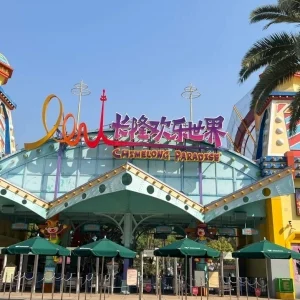
A large theme park, good for thrill rides, families, and younger visitors.

A popular family attraction where visitors can see a wide variety of animals up close.

A large-scale stage performance, suitable for evening entertainment.

A popular summer water park, good for families and cooling off in hot weather.
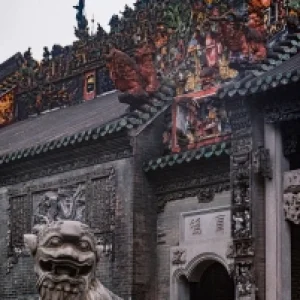
A representative site for Lingnan architecture and Cantonese craftsmanship, ideal for learning about traditional culture.
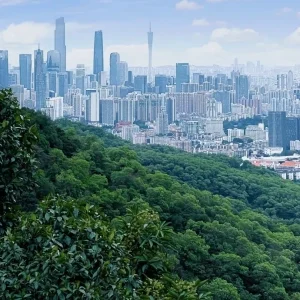
A classic natural scenic area in Guangzhou, good for hiking, walking, and overlooking the city.
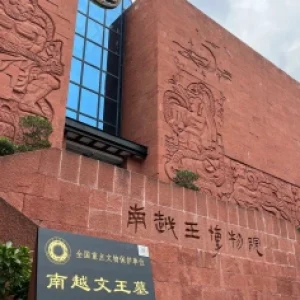
A museum displaying historical relics from the Nanyue Kingdom, suitable for history and culture lovers.

A city zoo with convenient transportation, suitable for a half-day family visit.
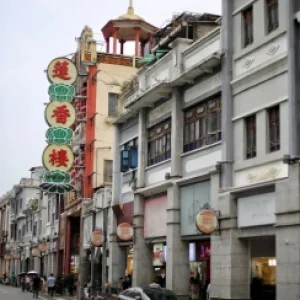
An old Guangzhou commercial district, good for snacks, arcade buildings, and local street atmosphere.
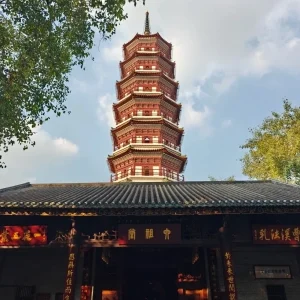
One of Guangzhou’s ancient temples, known for the Flower Pagoda and Buddhist culture.
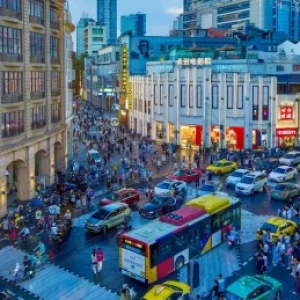
A traditional Guangzhou shopping street where visitors can shop, try snacks, and see ancient road remains.
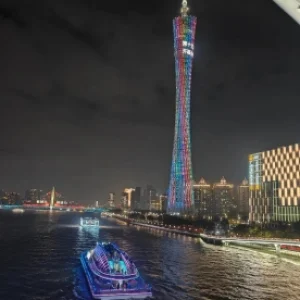
A classic way to enjoy Guangzhou’s night views, with views of Canton Tower and the lights along both sides of the Pearl River.

Located in Zhujiang New Town, suitable for learning about Guangdong’s history, nature, and art.
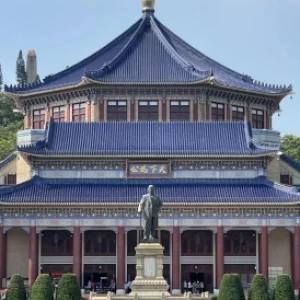
A landmark building commemorating Sun Yat-sen, suitable for history and architecture visits.
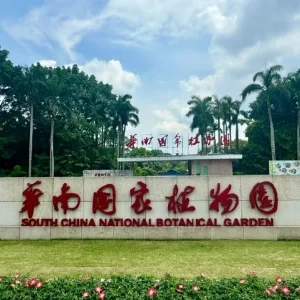
A large botanical garden, good for families, photography, and nature-focused leisure.
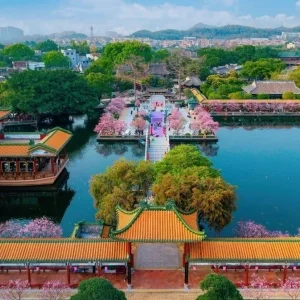
A Lingnan-style garden attraction, suitable for photos, garden scenery, and short trips.
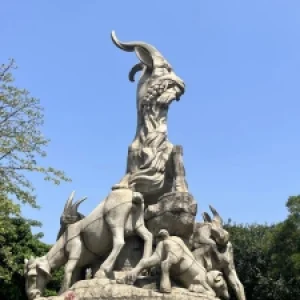
A long-established city park in Guangzhou, with the Five Rams Statue as its representative landmark.

Located inside Yuexiu Park, it offers an introduction to Guangzhou’s urban history.
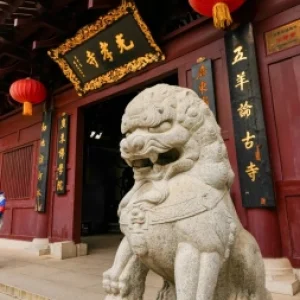
A historic Buddhist temple in Guangzhou, suitable for a quiet visit.
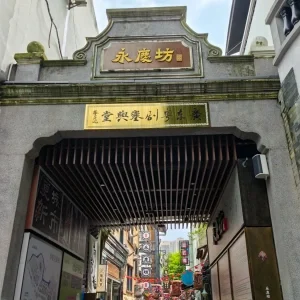
A neighborhood combining Xiguan heritage with creative cultural spaces, ideal for city walks and food stops.
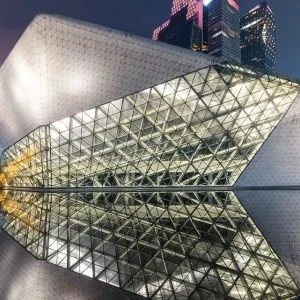
A landmark building in Zhujiang New Town, good for performances and architectural photos.
Suggested Guangzhou Itinerary

Guangzhou itineraries can be planned as quick highlights, classic sightseeing routes, or deeper experiences depending on how long you stay. For a first visit, it is best to build your core itinerary around Shamian Island, Yongqing Fang, Beijing Road, Zhujiang New Town, Canton Tower, and Chimelong, then add a Cantonese dim sum brunch, museum visits, or a day trip to Foshan or Shunde if time allows.

The following Guangzhou itinerary is suitable for first-time visitors. You can adjust the order of attractions based on your flight, high-speed rail schedule, hotel location, and interests. During public holidays or when popular attractions have reservation limits, it is best to leave more buffer time.

3 days, 2 nights route

Good for first-time visitors to Guangzhou. The route covers old Xiguan neighborhoods, Lingnan history, traditional commercial districts, Pearl River night views, and Zhujiang New Town landmarks, offering a well-rounded feel for the city’s character.

  • Day 1: Sacred Heart Cathedral → Shamian Island → Yongqing Fang → Shangxiajiu Pedestrian Street
  • Day 2: Yuexiu Park → Sun Yat-sen Memorial Hall → Beijing Road Pedestrian Street → Pearl River Night Cruise, Tianzi Wharf
  • Day 3: Guangdong Museum → Huacheng Square → Canton Tower

Where to Stay in Guangzhou

For first-time visitors to Guangzhou, the most recommended areas to stay are usually Yuexiu District, Tianhe District, or Liwan District, because transportation is convenient, major attractions are easy to reach, and hotel choices are relatively abundant. If you care more about nightlife, food, shopping, a quieter setting, or access to the airport or train stations, you can also choose areas such as Zhujiang New Town, Beijing Road, the area near Chimelong Tourist Resort, or around Guangzhou South Railway Station based on your itinerary.

  • Yuexiu District: Best for first-time visitors who want both historic sights and convenient transportation. Its advantages are a concentration of core old-city attractions, with convenient access to Beijing Road, Yuexiu Park, Sun Yat-sen Memorial Hall, the Museum of the Nanyue King, and Guangzhou Railway Station. It suits itineraries focused on classic attractions and city culture.
  • Liwan District: Best for travelers who enjoy old Guangzhou atmosphere, food, arcade streets, and city walks. Its advantage is a strong Xiguan cultural feel, with convenient access to Shamian Island, Yongqing Fang, Shangxiajiu Pedestrian Street, Chen Clan Ancestral Hall, and time-honored restaurants. It suits travelers who want to experience Cantonese everyday life.
  • Near Chimelong Tourist Resort: Best for families, couples, and travelers whose itinerary centers on Chimelong. Its advantage is saving travel time to and from the parks, with convenient access to Chimelong Paradise, Chimelong Safari Park, Chimelong Water Park, and Chimelong International Circus. It suits travelers planning one to two days of theme park activities.

How to Get to and Around Guangzhou

Most travelers reach Guangzhou by plane or high-speed rail. Guangzhou is mainly served by Guangzhou Baiyun International Airport for air travel, and it also has major railway stations such as Guangzhou South Railway Station, Guangzhou East Railway Station, Guangzhou Railway Station, Guangzhou Baiyun Railway Station, and Guangzhou North Railway Station. If you are traveling from nearby cities, high-speed rail is usually the most convenient and time-efficient option.

From Guangzhou Baiyun International Airport to the city center, you can choose the metro, taxi, ride-hailing service, or airport bus. The best option depends on your arrival time, amount of luggage, hotel location, and budget. Guangzhou’s main civil aviation airport is Guangzhou Baiyun International Airport. Before booking a hotel or transfer service, confirm your airport terminal and the area where your hotel is located. In general, Baiyun Airport is especially convenient for Yuexiu, Tianhe, Baiyun, Huadu, and Zhujiang New Town, and you can continue to Liwan, Panyu, and Chimelong by metro or taxi.

Guangzhou also has multiple railway stations, and different stations may serve different high-speed rail or regular train routes. Before buying tickets, carefully confirm your departure and arrival stations, because travel times between train stations within the city can vary significantly.

For sightseeing within Guangzhou, the metro is usually the most convenient and reliable way to get around. Taxis and ride-hailing services are useful for nighttime travel, carrying large luggage, or reaching places not directly served by the subway. If you plan to visit suburban attractions or take a day trip, you can choose trains, buses, private cars, transfer services, or local tours depending on your destination.

What to Eat in Guangzhou

Guangzhou is an excellent place to try Cantonese cuisine, dim sum brunch, and Lingnan snacks, from classic regional dishes and street food to local restaurants. First-time visitors should prioritize signature foods such as rice noodle rolls, wonton noodles, and shrimp dumplings. Some foods can be found near popular attractions and commercial areas, while others are better experienced in local neighborhoods, time-honored restaurants, or traditional markets.

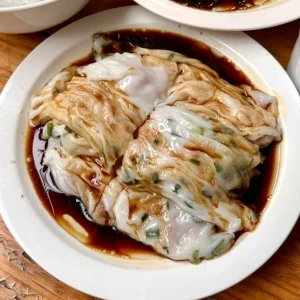
Rice noodle rolls

A classic Guangzhou breakfast and dim sum item, known for its smooth, tender texture and often served with soy sauce.
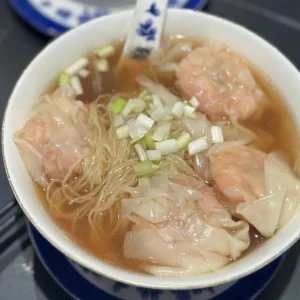
Wonton noodles

Springy thin noodles and savory wontons, a representative Cantonese noodle dish.

Lotus leaf sticky rice

Glutinous rice and fillings wrapped in lotus leaf and steamed, with a rich aroma.
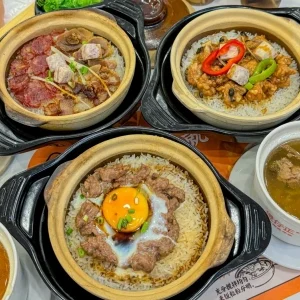
Claypot rice

Rice cooked with a fragrant crispy crust, often served with cured meats, pork ribs, or tender chicken.
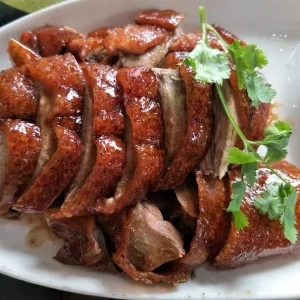
Sham Tseng roast goose

A representative Cantonese roast meat dish known for crisp skin and fragrant meat.
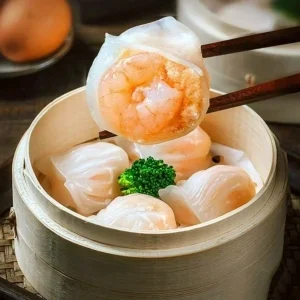
Shrimp dumplings

A classic Cantonese dim sum item, with translucent wrappers and sweet, fresh shrimp filling.
Best Time to Visit Guangzhou

The best time to visit Guangzhou is usually autumn, winter, and spring, when the weather is relatively warm with less rain, making it better for outdoor sightseeing and city walks. Early summer can also be a good option, while midsummer and typhoon season may reduce travel comfort because of high heat, humidity, heavy rain, or typhoons.

  • January: Average temperatures are about 10–18°C, with mild but slightly cool weather. Good for old-city walks, dim sum brunch, and museum itineraries, but be aware of temperature differences between morning and evening.
  • February: Average temperatures are about 11–18°C, and the weather gradually warms up. Good for Lunar New Year travel and city sightseeing, but watch for holiday crowds.
  • March: Average temperatures are about 15–22°C, with warm and humid weather. Good for Shamian Island, Yongqing Fang, and park visits, but watch for damp weather and humidity.
  • April: Average temperatures are about 19–26°C, with comfortable weather but more rain. Good for city walks and Flower City sightseeing, but bring rain gear.
  • May: Average temperatures are about 23–29°C, and the weather starts to become hot and humid. Good for a mix of indoor and outdoor sightseeing, but watch for thunderstorms and use sun protection.
  • June: Average temperatures are about 25–31°C, with hot and rainy weather. Good for dim sum brunch, museums, and night tours, but watch for heavy rain and heat.
  • July: Average temperatures are about 25–33°C, with hot and muggy weather. Good for water parks and indoor attractions, but watch for typhoons, thunderstorms, and high temperatures.
  • August: Average temperatures are about 25–33°C, with hot and rainy weather. Good for family theme parks and nighttime outings, but pay attention to sun protection, heat prevention, and weather alerts.
  • September: Average temperatures are about 24–31°C, and the weather remains fairly hot. Good for Pearl River night cruises and commercial-district dining, but watch for typhoon-season impacts.
  • October: Average temperatures are about 21–29°C, and the weather becomes more comfortable. Good for Canton Tower, Pearl River night cruises, Shamian Island, and Baiyun Mountain, but expect crowds during the National Day holiday.
  • November: Average temperatures are about 16–24°C, with crisp and comfortable weather. Good for outdoor sightseeing, city walks, and food-focused trips, but add layers in the morning and evening.
  • December: Average temperatures are about 11–21°C, with mild and dry weather. Good for city walks, shopping, and Pearl River night views, but bring a light jacket.

Essential Guangzhou Travel Tips

Before visiting Guangzhou, it is a good idea to plan several practical details in advance, including reservations for popular attractions, payment methods, mobile internet, transportation apps, and packing for the season. Some popular attractions may require advance reservations or ticket purchases, and some services may work differently from what overseas visitors are used to.

  • Attraction reservations: Popular attractions such as Canton Tower, Guangdong Museum, Chimelong Safari Park, Chimelong Paradise, Chimelong International Circus, Pearl River night cruises, and South China National Botanical Garden may require advance reservations during public holidays and peak seasons. Check opening hours and ticket rules before departure.
  • Payment methods: Mobile payment is widely used in mainland China. Prepare a usable payment method in advance, and keep a small amount of backup cash or a bank card.
  • Mobile internet: If you need maps, translation, ride-hailing, and ticket-booking services, prepare an eSIM, SIM card, or another stable internet option in advance.
  • Transportation apps: Maps, metro, ride-hailing, and translation apps are very useful when traveling in Guangzhou, especially when transferring by train, using airport transportation, or visiting areas such as Chimelong, Panyu, or Foshan.
  • Travel timing: Morning and evening rush hours and public holidays can be crowded. It is best to schedule popular attractions in the morning and allow extra time for cross-city travel.
  • Luggage and clothing: Guangzhou’s temperature differences and weather changes can be noticeable across seasons. In summer, prepare for sun and rain; in winter, bring a light jacket and comfortable walking shoes.

Guangzhou Maps

Understanding Guangzhou’s city layout can make itinerary planning easier. This section gives a quick overview of Guangzhou’s location in China and the general distribution of its main administrative districts. For travelers, the most important areas are usually the city center, major transportation hubs, and the urban or suburban districts that connect popular attractions.

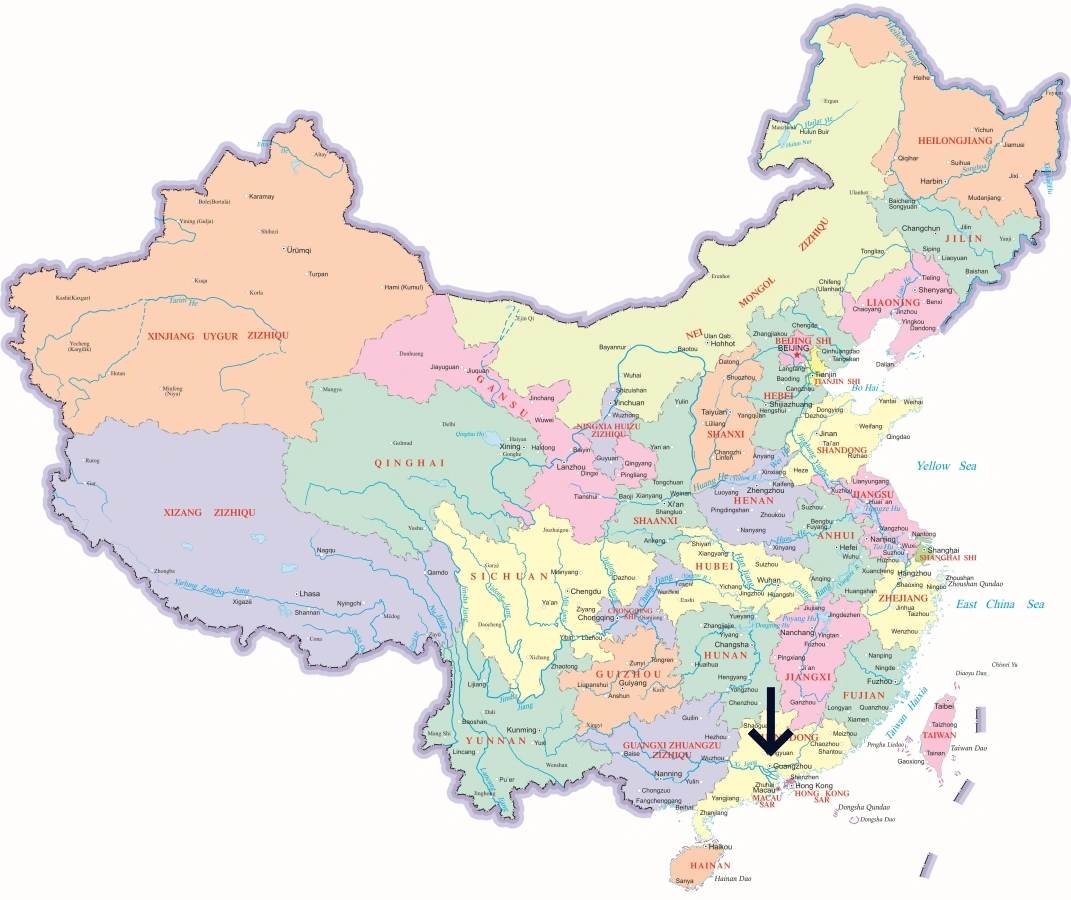
Where is Guangzhou in China?

Guangzhou is located in South China and belongs to Guangdong Province. It is close to Foshan, Dongguan, Shenzhen, Hong Kong, Macau, and the Pearl River Delta city cluster, and it is connected to other major Chinese cities by air, high-speed rail, intercity rail, and expressways. Thanks to its location and strong transportation links, Guangzhou is also a convenient starting point for trips to nearby destinations such as Foshan, Shunde, Shenzhen, Zhuhai, Hong Kong, and Macau.

Guangzhou location map in China

Guangzhou District Map

Guangzhou has multiple administrative districts, but travelers do not need to understand every district in detail. For most trips, it is more important to focus on the areas where major attractions, hotels, restaurants, shopping streets, airports, and train stations are located.

Areas travelers should pay closer attention to include:

  • Yuexiu District: Best for Beijing Road, Yuexiu Park, Sun Yat-sen Memorial Hall, the Museum of the Nanyue King, and old-city history itineraries.
  • Liwan District: Best for Shamian Island, Yongqing Fang, Shangxiajiu, Chen Clan Ancestral Hall, and Xiguan food experiences.
  • Tianhe District: Best for Zhujiang New Town, Huacheng Square, Guangdong Museum, Guangzhou Opera House, and shopping districts.
  • Haizhu District: Best for Canton Tower, Pazhou exhibition venues, Pearl River night views, and riverside leisure itineraries.
  • Panyu District: Best for Chimelong Tourist Resort, Baomo Garden, and family-friendly theme park itineraries.
Guangzhou district map

Basic Information About Guangzhou

Area and Population

Guangzhou covers a total area of about 7,434.40 square kilometers and has a permanent resident population of about 19.101 million. Because the city includes central urban areas, suburbs, and some townships, travelers should focus on distances between the city center, major transportation hubs, and popular attractions when planning accommodation and transportation.

Approximate population figures for major districts are as follows:

  • Baiyun District: About 3.7319 million people. It is one of Guangzhou’s most populous districts, close to Baiyun Mountain, the direction of Baiyun Airport, and northern residential areas.
  • Panyu District: About 2.8723 million people. It is home to Chimelong Tourist Resort, Guangzhou South Railway Station, and southern residential areas.
  • Tianhe District: About 2.256 million people. It is a core district for modern business, shopping, Zhujiang New Town, and city landmarks.
  • Haizhu District: About 1.7707 million people. It concentrates resources such as Canton Tower, Pazhou exhibition venues, and riverside leisure areas.
  • Huadu District: About 1.7667 million people. It is an important northern district of Guangzhou, close to Baiyun Airport and Huadu’s cultural and tourism resources.

Guangzhou’s postal codes and telephone area code are commonly used for mailing documents, filling in hotel information, food delivery, local contacts, and some online forms. Guangzhou’s telephone area code is generally 020, and 510000 can usually be used as a city-level postal code, but different districts and streets may have different postal codes.

If you need an accurate postal code, such as for sending documents, receiving items at a hotel, or online shopping, it is best to look it up based on the specific street or full address rather than relying only on the city-level postal code.

Guangzhou Travel Guide FAQ

Is Guangzhou worth visiting?

Yes. Guangzhou is known for Cantonese food, Pearl River night views, and historic Lingnan neighborhoods, making it suitable for food-focused travelers, families, and city walkers. If this is your first trip to China, or if you want to experience Lingnan culture, Cantonese dim sum brunch, old-city arcade streets, and modern Zhujiang New Town, Guangzhou is usually well worth adding to your itinerary.

A stay of 3–5 days is generally recommended. If you have limited time, two days can cover the core attractions. If you want a more relaxed city experience, time for food, and a nearby day trip, plan for 4–5 days.

Guangzhou is mainly known for Cantonese dim sum brunch, its history as a thousand-year commercial hub, Pearl River night views, Lingnan architecture, and Chimelong Tourist Resort. For travelers, the most representative experiences usually include having dim sum brunch, taking a Pearl River night cruise, and walking through Shamian Island and Yongqing Fang.

The most worthwhile experiences in Guangzhou include Canton Tower, Shamian Island, Chen Clan Ancestral Hall, a Pearl River night cruise, Chimelong Tourist Resort, and Cantonese dim sum brunch. For a first visit, prioritize the most iconic attractions, then add neighborhood walks, food experiences, or nearby day trips depending on your schedule.

For a first trip to Guangzhou, it is usually best to stay in Yuexiu District, Tianhe District, or Liwan District because transportation is convenient and major attractions and restaurants are easy to reach. If you care more about nightlife, shopping, airport access, or a quieter environment, you can also consider Zhujiang New Town, Beijing Road, the area near Chimelong Tourist Resort, or around Guangzhou South Railway Station.

The best time to visit Guangzhou is usually October–December and March–April. During these months, the weather is relatively comfortable, making it better for outdoor sightseeing and city walks. Winter can also be considered, but midsummer and typhoon season may affect travel comfort because of high heat, heavy rain, humidity, or typhoons.

The metro is usually the easiest way to get around Guangzhou. For airport trips, train stations, nighttime travel, or large luggage, taxis or ride-hailing services are useful. For suburban attractions, you may need to combine the metro, buses, high-speed rail, intercity rail, private cars, or local tours.

When traveling in Guangzhou, try rice noodle rolls, wonton noodles, shrimp dumplings, and claypot rice. These foods represent local flavors well. Some are best enjoyed at time-honored restaurants, while others are better experienced in local neighborhoods, snack streets, or traditional markets.

Guangzhou is usually a good choice for first-time visitors to China, especially if you are interested in Lingnan culture, Cantonese food, or modern city night views. Before departure, prepare your payment methods, mobile internet, maps, and translation tools, and check whether popular attractions require reservations.

Some popular Guangzhou attractions may require advance reservations or ticket purchases, especially on weekends, public holidays, and during peak travel seasons. Before departure, check opening hours, ticket rules, and entry requirements. For popular attractions, it is best to confirm details several days in advance.

Good day trips or short trips from Guangzhou include Foshan, Shunde, and Shenzhen. If the destination is farther away, confirm transportation time in advance and consider high-speed rail, intercity rail, direct buses, private cars, or local day-tour products.

The cost of traveling in Guangzhou depends on where you stay, the restaurants you choose, how you get around, and attraction ticket prices. In general, staying in Tianhe, Zhujiang New Town, Beijing Road, or near Chimelong Tourist Resort is more convenient but more expensive. If you are on a budget, choose a well-connected non-core area, use public transportation often, and eat at local restaurants.

Official WeChat Mini Program

Copy the official WeChat Mini Program link, then paste it into the WeChat search bar to open it:

1. Copy the Mini Program link

2. Open WeChat and go to the search bar

3. Paste the link and open the Mini Program